Medical Care in India as a Foreigner: My Kochi Experience
What’s it like to get a health check up in India?
Excellent actually…
Visited April 2026. Last updated: 01/11/2026
This article discusses what it what it was like to get medical checks in India as a foreigner, from booking appointments to what I paid.
Medical disclaimer: This article is based on my personal experience of accessing healthcare in India. It is intended for information and general interest only and should not be taken as medical advice or a recommendation for any particular treatment, hospital or healthcare provider. Everyone’s medical needs and experiences are different. Always seek advice from a suitably qualified healthcare professional about your own health and treatment options.
A note about healthcare in India: My experience relates to private healthcare in India. The country has both public and private healthcare systems, and access, costs, facilities and experiences can vary considerably between hospitals and locations. My experience should not be taken as representative of healthcare across India as a whole.
Why I wanted to get a check up
Two reasons:
- to check ongoing neurological symptoms
- to check a mole
Four years ago, following a painful breakup, I developed numbness, heaviness and balance problems in my legs. The symptoms came on suddenly and were frightening. After seeing doctors in the UK, I was diagnosed with Functional Neurological Disorder (FND).
I found the diagnosis difficult to accept. I wanted further opinions, and reassurance that nothing else had been missed. That led me to seek medical advice in some of the countries I have travelled to, including Malaysia and Sri Lanka, and most recently India.
Over time, I have come to accept my diagnosis to a greater degree. However, I still value having my health checked periodically.
Getting neurological consultations through my GP in the UK has been a slow process. It took months to see a neurologist, and after some relatively quick checks, I was told there was little point in further investigations.
I understand that repeated testing isn’t always necessary, and I recognise that FND is a genuine condition in its own right. But I also know how important reassurance can be when you live with ongoing symptoms.
I was travelling solo in Kochi, Kerala, and hadn’t gone there for medical care. But it had been about two years since I had since a neurologist, so while I was there, I decided to arrange a check-up. I also had a mole that was worrying me and wanted it examined.
Why I chose Aster MedCity in Kochi
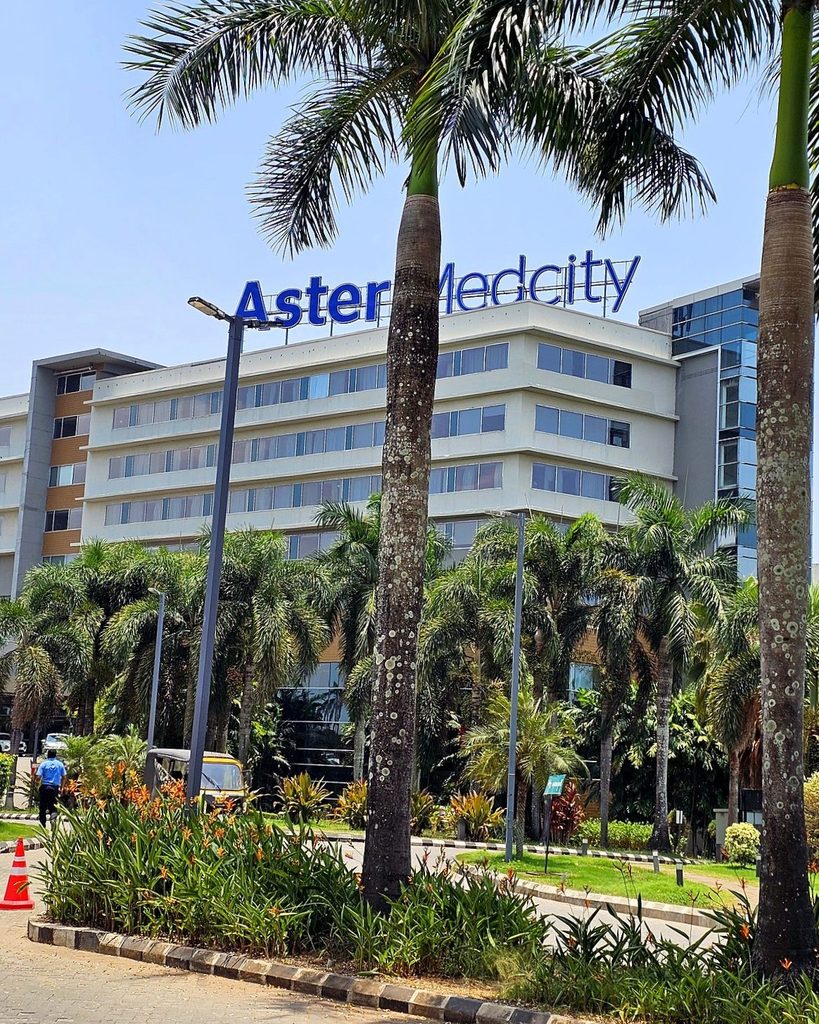
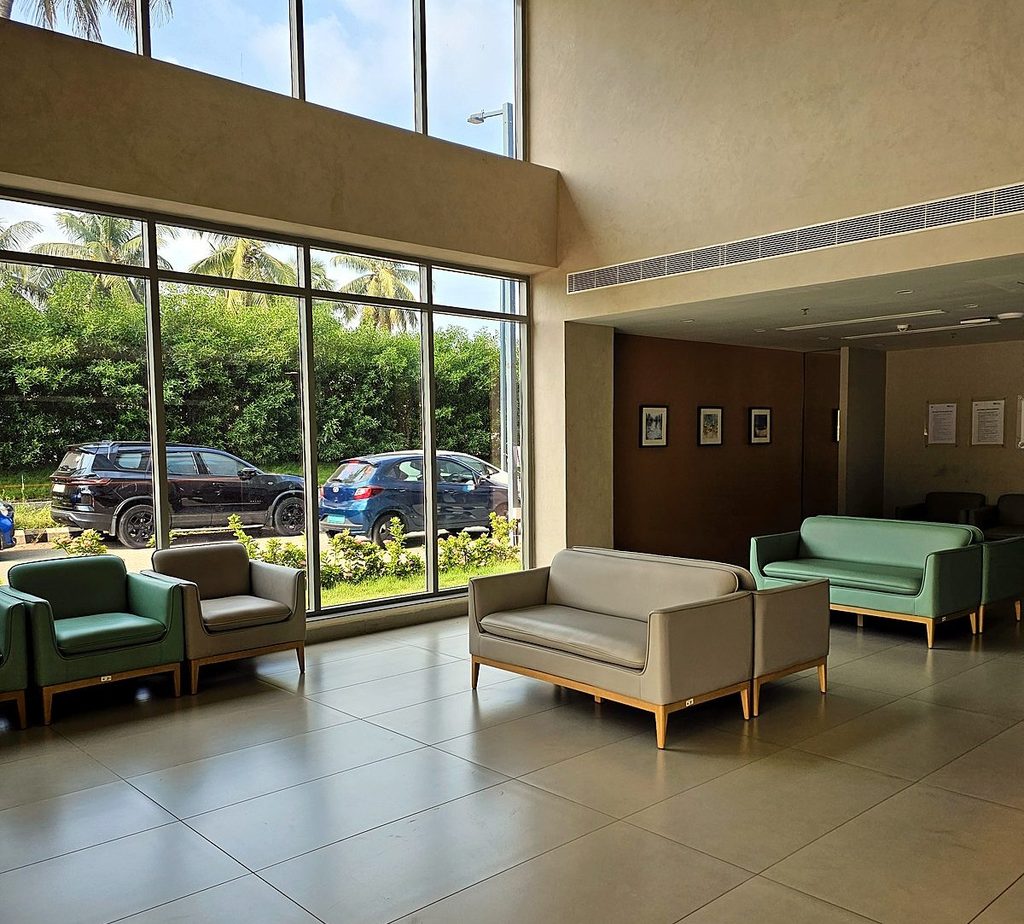
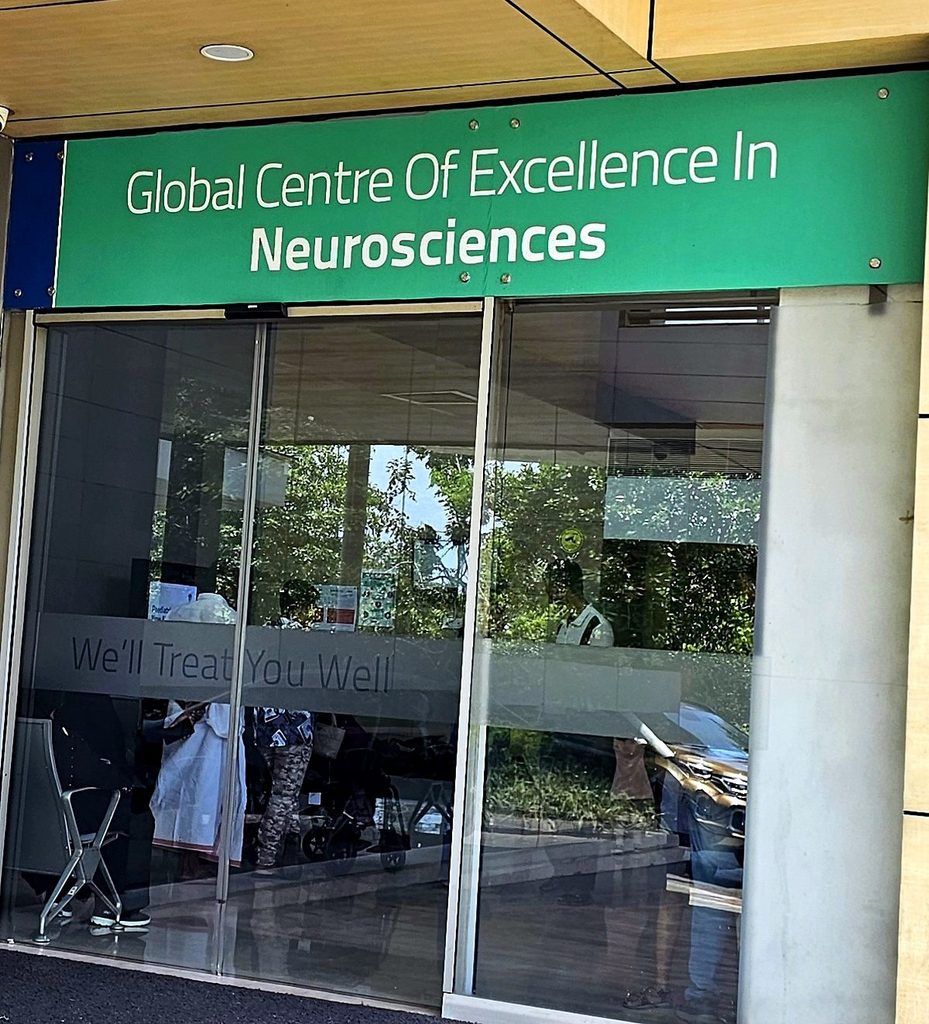
I chose Aster MedCity, a large hospital in Kochi that treats international patients. It has a dedicated international patient lounge, which helps overseas visitors arrange their care.
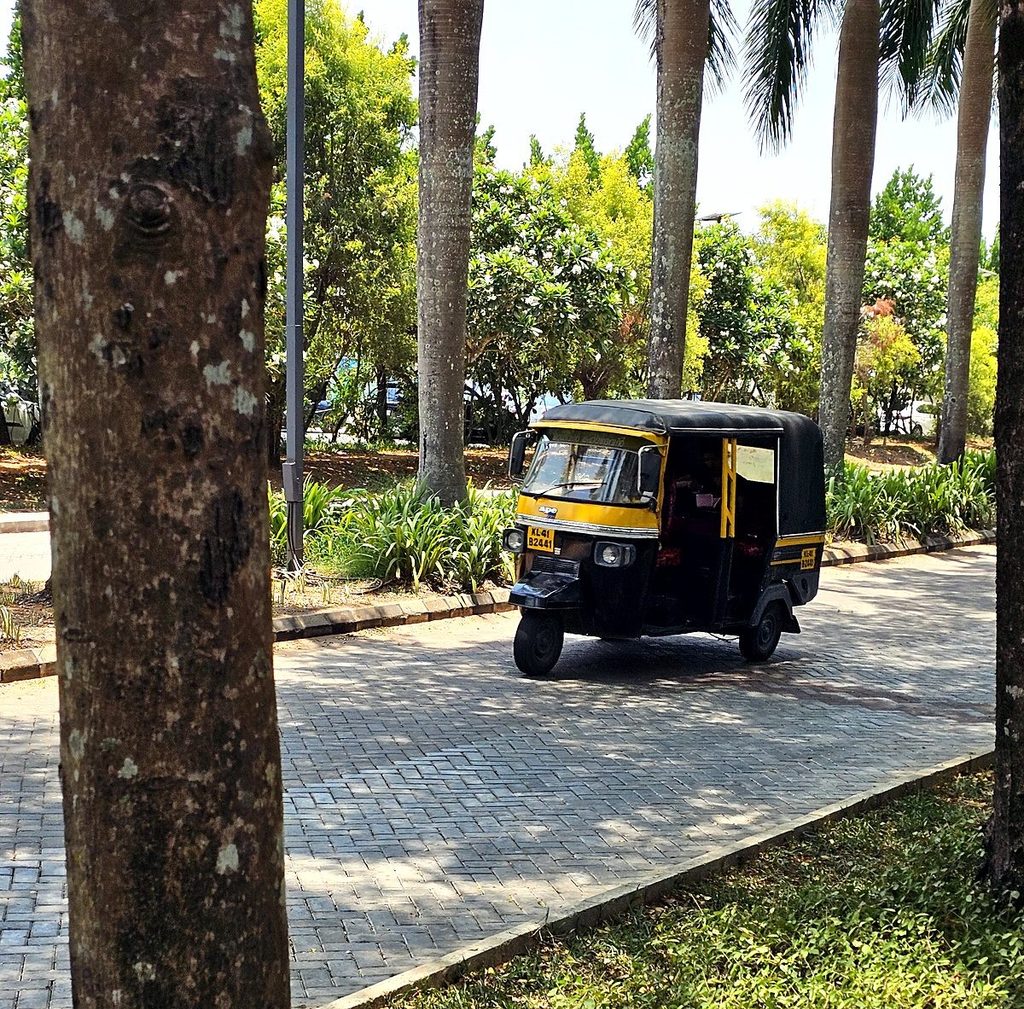
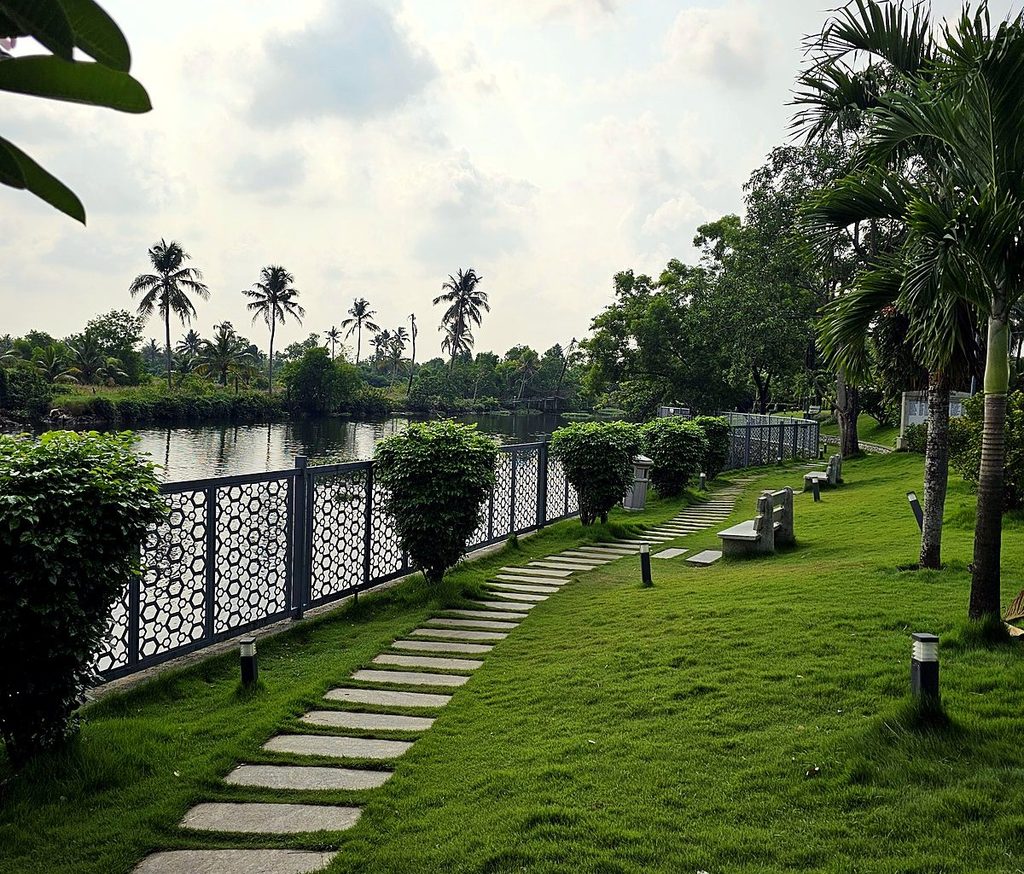
Approaching the hospital, I was struck by how attractive the grounds were. With flowers, landscaped areas and a lake, it looked more like a hotel than a hospital.
Inside, I was greeted promptly and completed registration. I was then able to book appointments with both a dermatologist and a neurologist for the same day. This speed matches my general experience of accessing healthcare in South-East Asia and Tunisia.
Dermatology appointment and skin biopsy at Aster MedCity
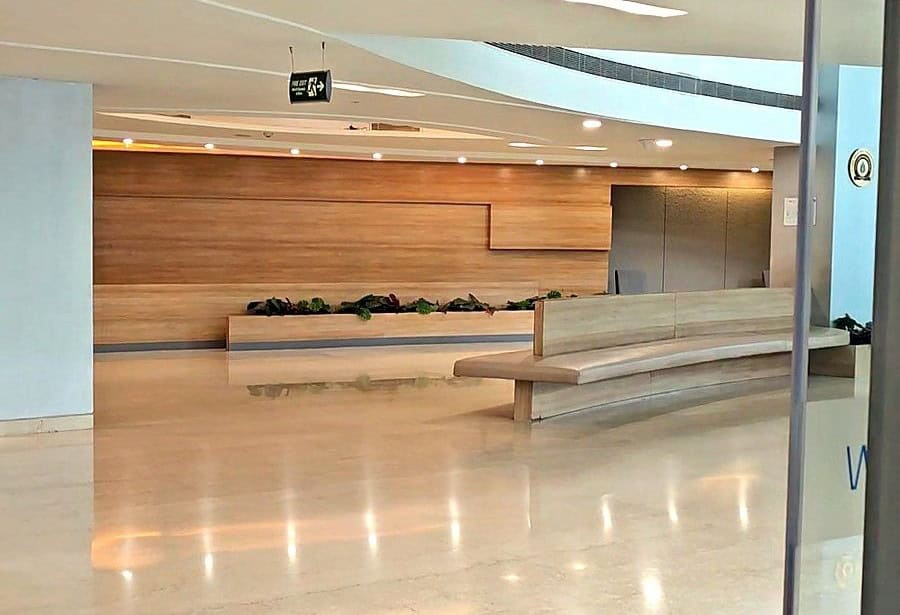
A member of staff helped me find the dermatology department and directed me to the waiting area. The room was clean and comfortable, and I waited around 30 minutes to see the doctor.
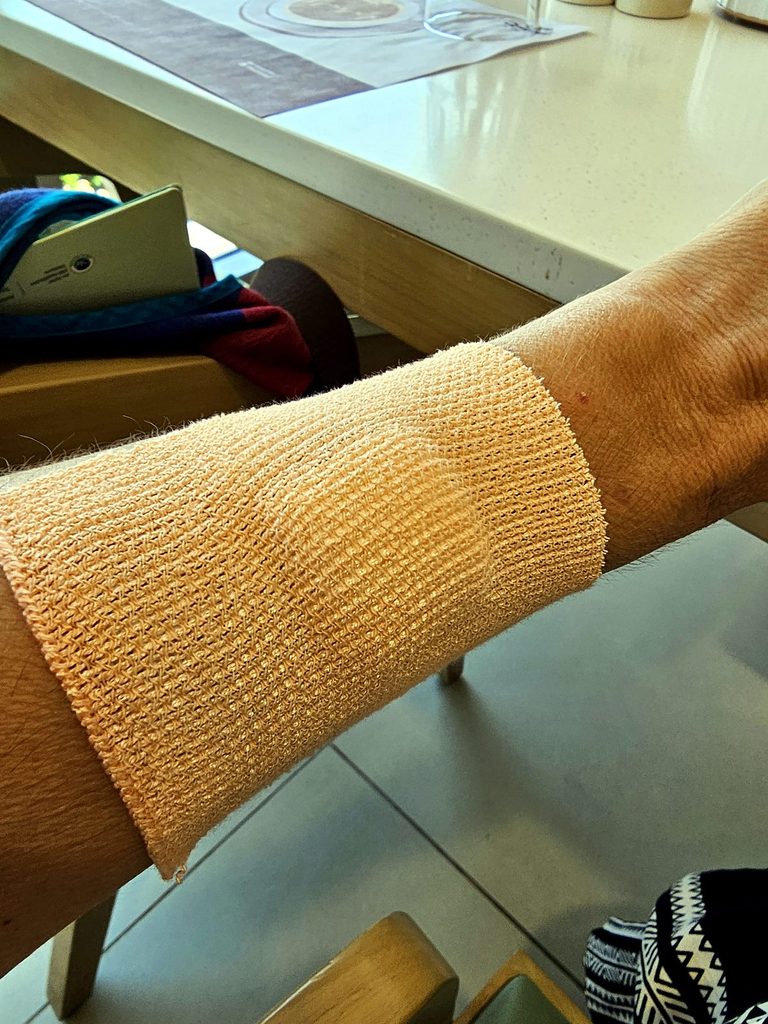
After examining the mole, the dermatologist thought it was likely to be benign sun damage. She offered me a biopsy, and I decided to go ahead for reassurance. It was carried out in another room, and I was asked to contact the hospital in 10 to 14 days for the results.
The results came back fine. Being offered further investigation, and being able to make an informed decision about it, was reassuring in itself. I didn’t leave with unanswered questions.
Lunch at the hospital
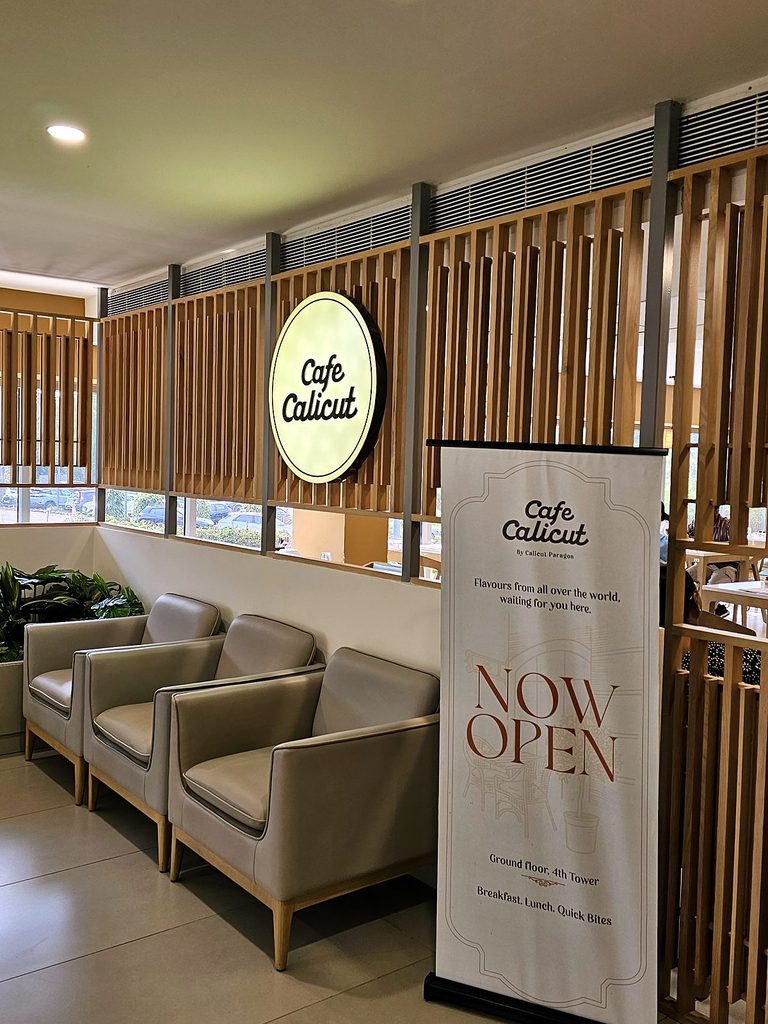
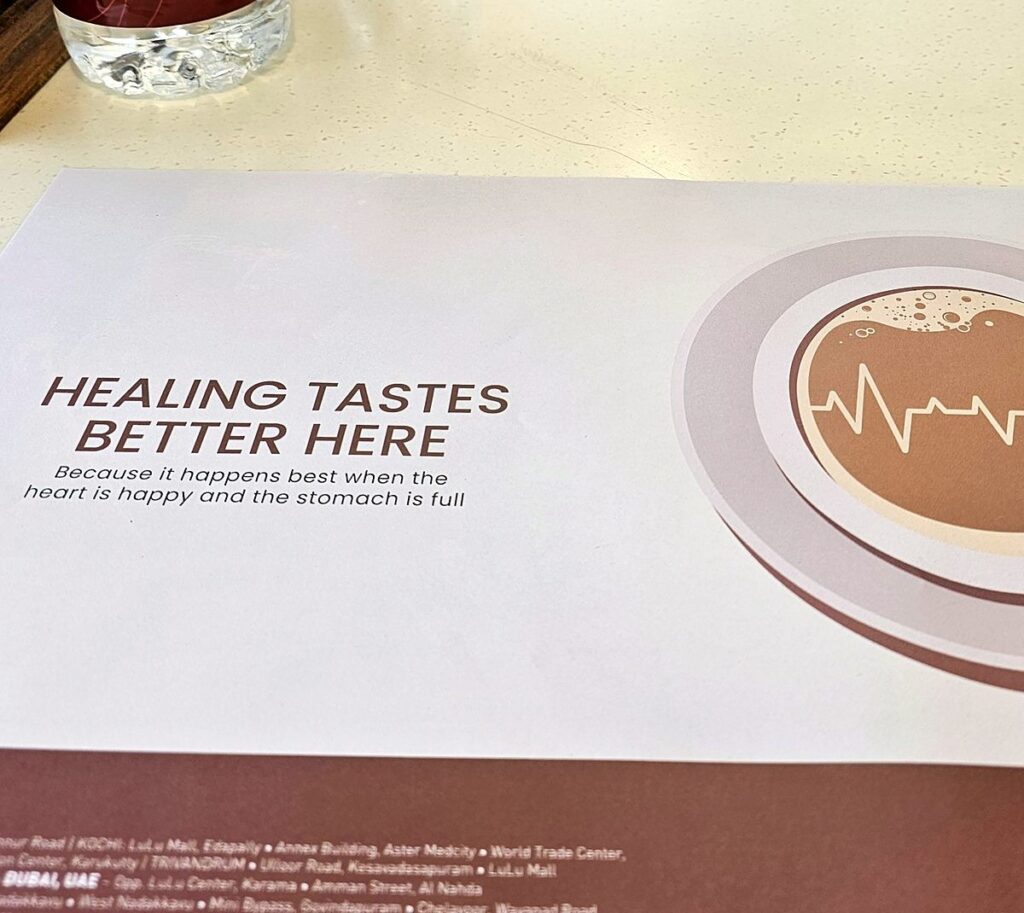
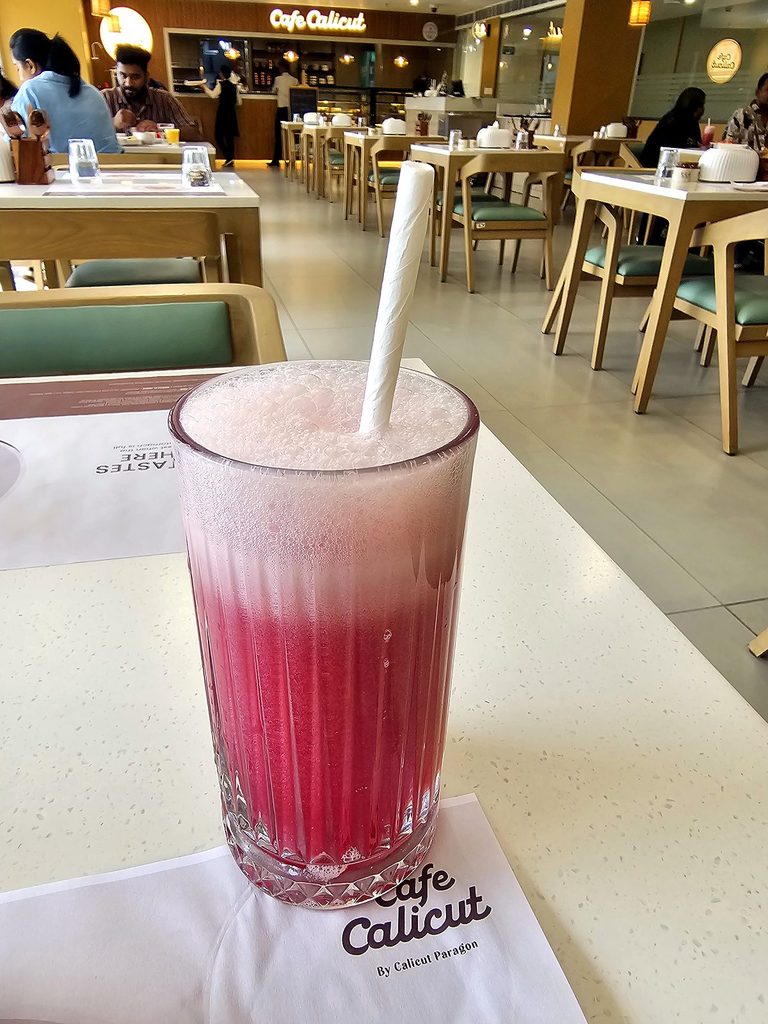
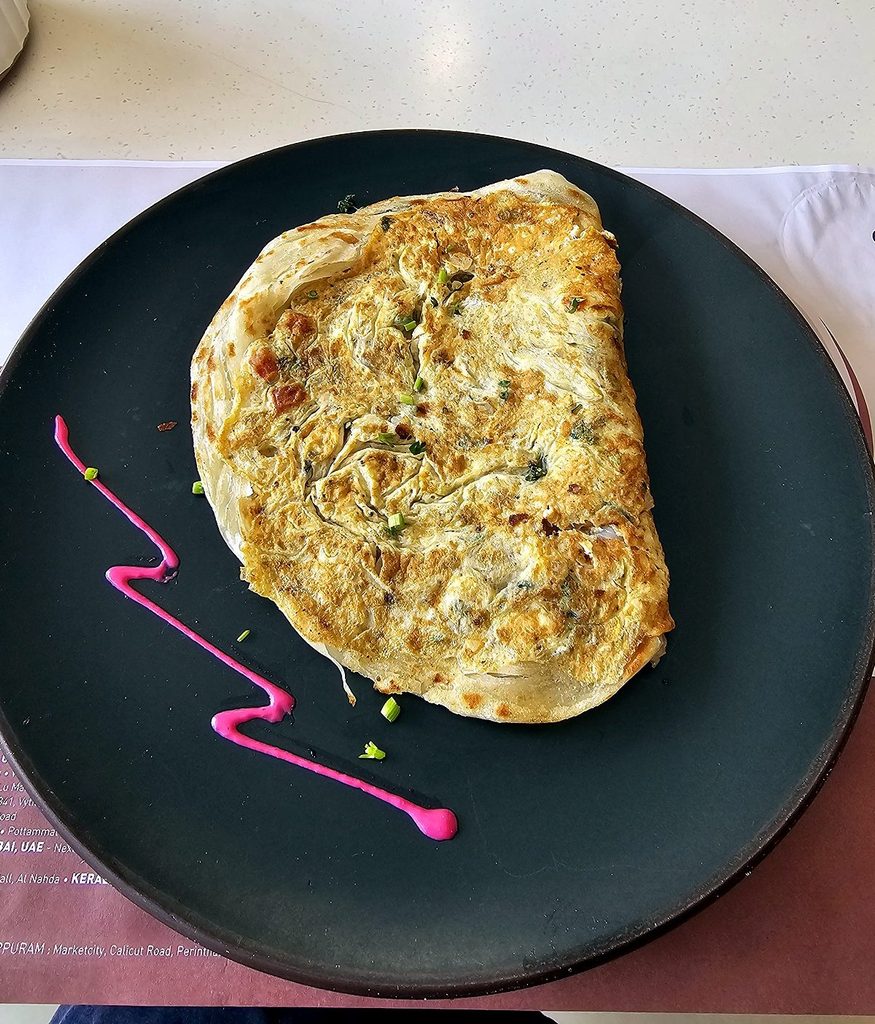
With a couple of hours before my neurology appointment, I had lunch in the hospital restaurant. I was pleasantly surprised by the menu, which included healthy choices and sattvic options. Sattvic food is associated with Ayurvedic principles and generally emphasises simple, vegetarian meals.
Warm water was served as a matter of course, reflecting a belief in some Indian food traditions that it aids digestion. I ordered a masala omelette and fresh juice, and on another visit I tried the biryani, which was delicious.
These might seem like small details, but when you spend much of the day at medical appointments, a pleasant place to sit and eat makes a real difference.
Seeing a neurologist in Kochi about my FND symptoms
My afternoon appointment involved a longer wait, about an hour and a half, because the doctor was running late. This wasn’t unfamiliar. In hospitals I have visited in Malaysia, Sri Lanka and Tunisia, doctors often see patients in the afternoon after operating in the morning, so if an operation runs over, appointments are delayed.
When I did see the neurologist, I found her friendly and approachable. She spoke excellent English and took a real interest in my history. I explained how my symptoms had started, my FND diagnosis and the investigations I’d already had. She took a full history and carried out a neurological examination, which I knew well from having been through many.
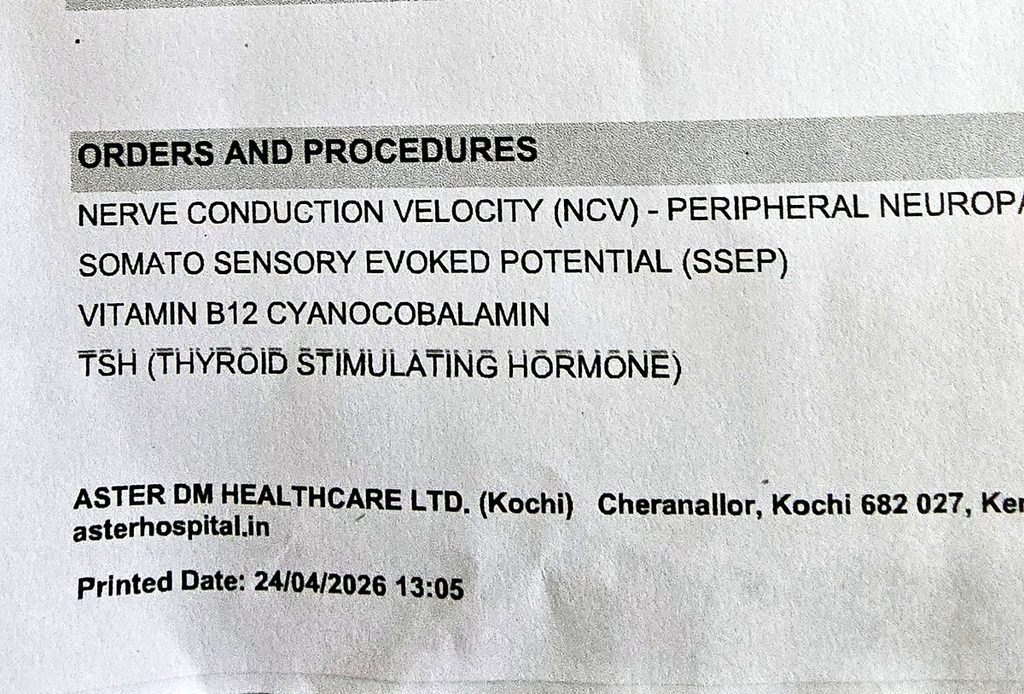
She then suggested several further investigations: an EMG, an MRI of my spine and blood tests. I agreed. What I appreciated most was having time to discuss my symptoms. It didn’t feel rushed.
Arranging EMG, blood tests and an MRI independently
One thing I discovered is that you can compare prices between hospitals and independent diagnostic centres India. Aster MedCity was convenient, but more expensive than some alternatives as it tailors to international guests, so I decided to shop around.
EMG at Aster MedCity
I had my EMG on the same day. An EMG (electromyography) assesses the electrical activity of muscles and, alongside nerve conduction studies, can help investigate certain nerve and muscle problems.
Blood tests at a local diagnostic centre
Diagnostic centres seemed to be everywhere in Kochi, often on ordinary streets rather than inside large hospitals. They offer routine blood tests, hormone tests and health screening packages.
I walked in, paid and had my blood taken, and my results were available later that same day. I didn’t need another hospital appointment just for routine bloods.
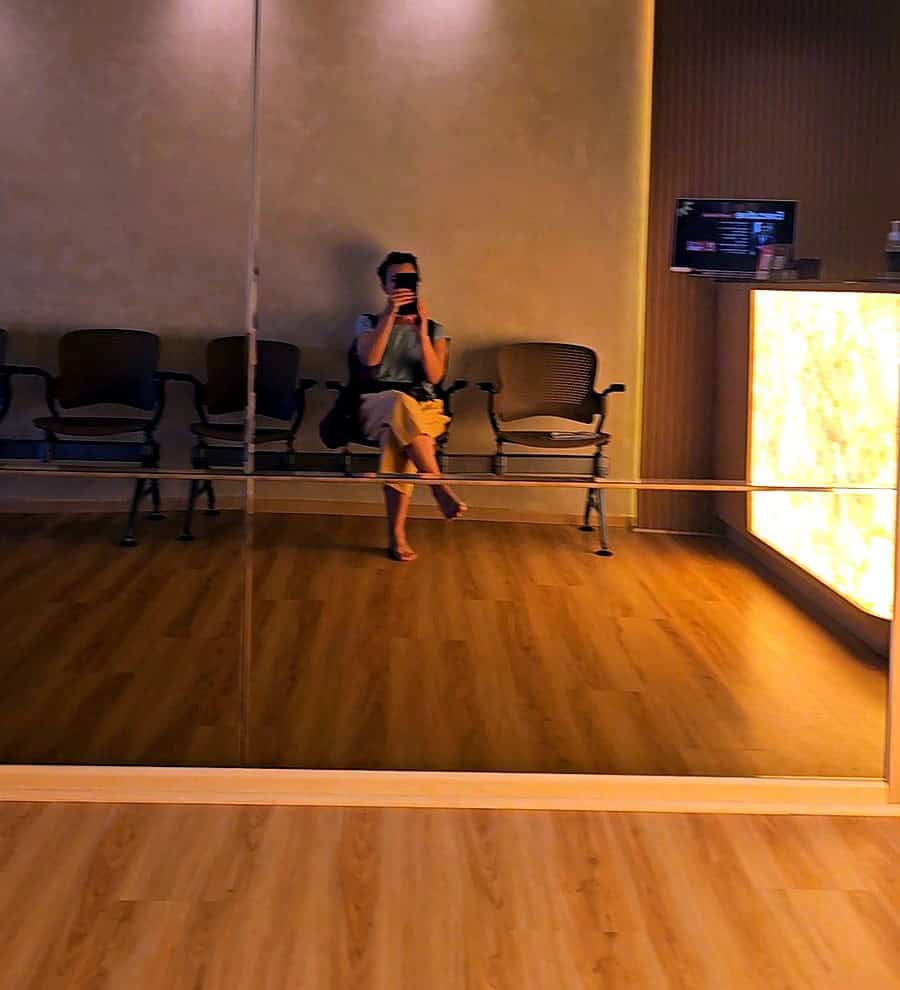

MRI at Indira Gandhi Co-Operative Hospital in Kochi
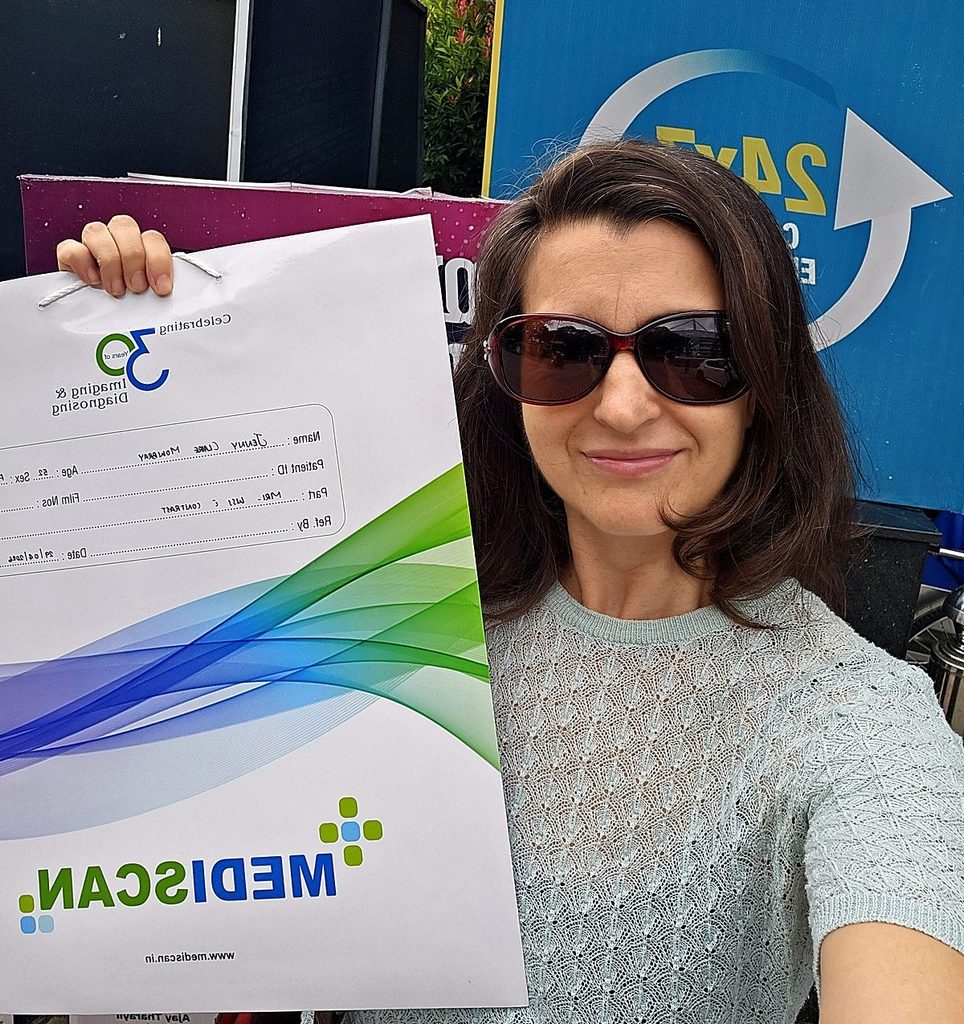
The MRI took a little more research because prices varied. I rang a few places to compare costs and, on a friend’s recommendation, chose Indira Gandhi Co-Operative Hospital. The price worked out £100 cheaper than AsterMed City.
I got an appointment for the following morning. Afterwards I was given my images to take away, and the written report followed later that day. This meant I could take the results straight back to the neurologist instead of waiting weeks.
How much does medical care in India cost? My Kochi costs
These are the approximate costs I paid:
| Consultation or test | Approximate cost |
| Dermatologist consultation | £12 |
| Skin biopsy | £40 |
| Neurologist consultation | £8 |
| EMG | £35 |
| Blood tests | £12 |
| Spine MRI | £100 |
| Total | about £207 |
These figures reflect my personal experience, not a standard price list. Costs vary by hospital, diagnostic centre, type of investigation and what the fee includes.
My test results and follow-up
A few days later I went back to Aster MedCity to discuss the results. The investigations were reassuring and nothing significant was found, although my blood tests showed a slightly low B12 level. I was advised to take supplements and given a prescription.
Normal test results don’t mean my symptoms aren’t real. FND can cause very real and sometimes debilitating symptoms, even when investigations show no structural problem. I also recognise that more tests aren’t always the answer. For me, though, having the checks and discussing the results with a neurologist provided reassurance and felt like another step in taking responsibility for my health.
Why people travel to India for healthcare
My experience also attracted attention beyond my own social media audience. An Instagram reel I shared was picked up by The Times of India and included in an article exploring why people travel to India for medical treatment for reasons beyond affordability alone.
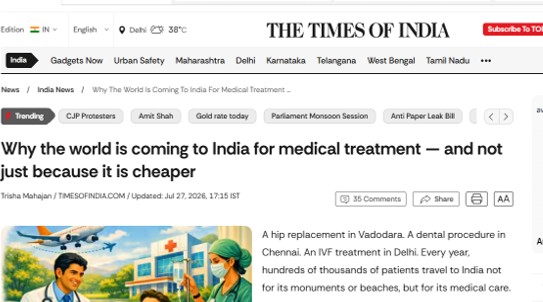
It made me reflect. Cost was a factor when arranging some of my investigations, but it wasn’t the only reason. I also valued booking appointments quickly, accessing further investigations and having time to discuss my concerns with a specialist.
Read the Times of India article here.
It’s an interesting article to read, and I’d recommend it, if you are curious about healthcare in India.
My overall experience of medical care in India as a foreigner
Overall, my experience in Kochi was positive. It was straightforward to arrange consultations, access investigations and get results. Staff helped me navigate the hospital, the doctors communicated well, and I appreciated being able to compare prices for some tests.
That said, this is one person’s account. It isn’t a guarantee of the same access, costs or quality elsewhere in India. Anyone arranging care abroad should consider the suitability of the provider, the investigations offered, follow-up arrangements and how results will be shared with their usual doctor.
Would I seek medical care in India again?
Yes, depending on the reason for seeking care and the type of investigation needed. I appreciated the combination of specialist consultations and the freedom to arrange tests elsewhere.
Other travellers’ experiences of healthcare in India
I’ve also spoken to friends and fellow travellers who have accessed healthcare in India while travelling. This has included visits to dentists and dermatologists, and the feedback I’ve heard has generally been positive.
It’s another aspect of healthcare in India that I find interesting, particularly for people spending longer periods in the country.
Taking Charge of My Health Feels Empowering
My relationship with my FND diagnosis has changed over the past four years. I’ve gradually become more accepting of the diagnosis, although that doesn’t mean every worry has disappeared.
I think you can accept a diagnosis while still seeking reassurance when something concerns you. For me, travelling and getting opinions in different countries has been part of learning to live with uncertainty and take responsibility for my health.
Perhaps that is what I value most: I feel that I can keep looking after myself, ask questions and make decisions about my health without waiting. I find it empowering and it’s given me much more confidence to travel knowing that I can access good quality health care when I need to.
This article describes my personal experience of seeking healthcare in Kochi, India. It is not medical advice or a recommendation for any particular hospital or investigation. If you are considering healthcare abroad, check providers’ credentials, costs, follow-up arrangements and how your care will be coordinated with your usual healthcare team.

Travelling solo with chronic health conditions
Travelling Solo with Functional Neurological Disorder (FND): From Fear to Freedom
Solo Travel with Chronic Illness: How to Reclaim Yourself at Midlife
India Health and Wellbeing
Akanta Ayurveda & Yoga Resort Review: A Solo Traveller’s Experience in Cherai, Kerala
10-Day Pranayama Retreat in Rishikesh, India – Review of Yoganga Healing
Nirvana Naturopathy & Ayurveda Retreat and Hospital (Near Mumbai): My Honest Review
Ashiyana Yoga Retreat Goa Review: A Midlife Woman’s Experience of Rest, Yoga & Slow Living
Gentle Solo Travel guides
Kochi Solo Travel for Women: A Guide for Midlife Travellers
Visiting Rishikesh as a Midlife Woman with Chronic Illness: A Realistic Guide
Solo Travel to Morocco with a Chronic Illness: A Midlife Woman’s Guide
Solo Travel to Penang: A Safe, Affordable Island for Midlife Women with Chronic Illness
Wellbeing Places
Explore all Wellbeing Place Guides
Join the Orchids to Olives monthly newsletter for gentle travel inspiration
For restorative destinations and thoughtful solo travel ideas if you’re navigating low energy, menopause or chronic illness.
Orchids to Olives
Journeys of self-discovery, wisdom, healing and friendship