Tbilisi Solo Travel for Women Over 50: A Slow-Travel Guide
Discovering Georgia’s Capital at Your Own Pace
Sulphur baths, Kinkali & Cable Cars
This is a Tbilisi solo travel guide for women in midlife, including anyone travelling with a chronic health condition because if you’re anything like me the way you travel has changed in recent years.
Tbilisi wasn’t quite what I expected. I knew Georgia’s capital had a fascinating Old Town, a famous sulphur-bath tradition , but I hadn’t anticipated quite how much I’d enjoy discovering its different neighbourhoods, each with its own character.
I spent six weeks in Tbilisi, exploring as a solo woman, staying in different neighbourhoods and getting around by bus, metro and Bolt taxi. I discovered beautiful architecture, some surprisingly delicious food and a city that kept me guessing.
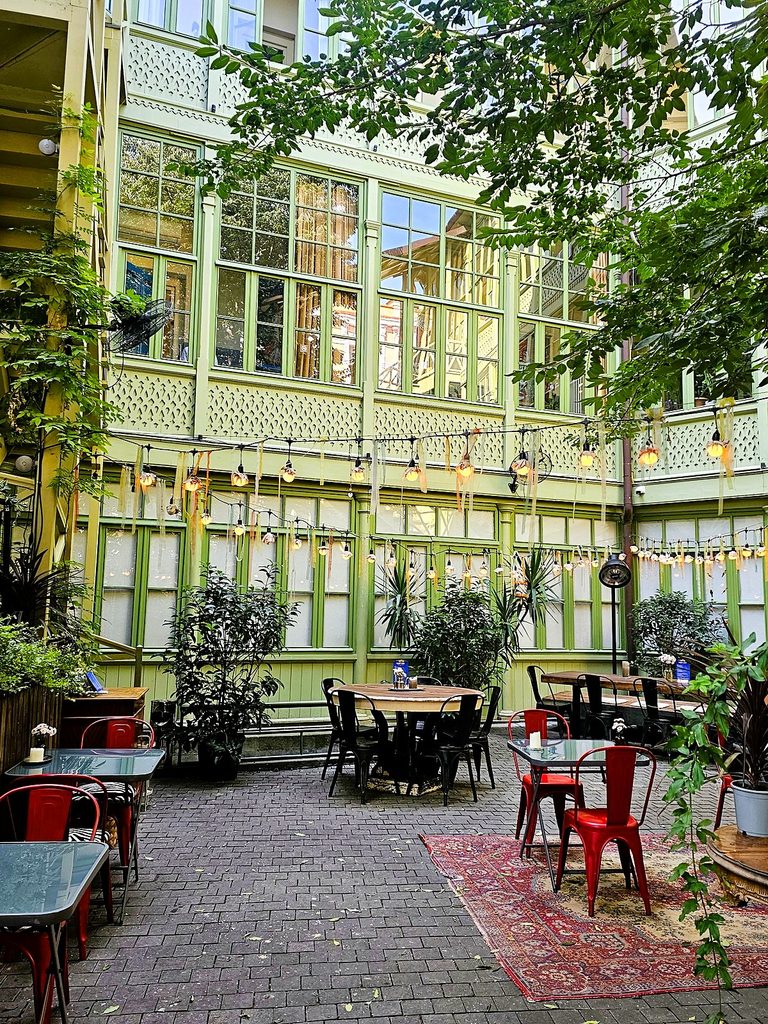
This isn’t a guide to all the tourist attractions in Tbilisi. There are plenty of those already and honestly, I didn’t do that many. Instead, it’s about discovering the city at your own pace, exploring its different neighbourhoods, soaking up the atmosphere and enjoying some of the experiences that make Tbilisi special.
I hope to give you a feel of Tbilisi.
I travel slowly, preferring to spend longer in a place rather than rush around ticking off the sights. It gives me time to get a feel for different neighbourhoods, discover cafés and restaurants, and find the places I want to return to. Sometimes, it’s the unexpected discoveries that become the highlights of a trip.
Of course, travelling slowly also suits me for practical reasons. I live with a chronic health condition, Functional Neurological Disorder (FND), although it’s actually been behaving itself pretty well lately. Unfortunately, my ankle had other ideas and I’ve been struggling with tendonitis during this trip! So, as is often the case when I travel, I’ve had to adapt my plans and be a little more selective about walking and what I do each day.
Whether you’re planning a short city break or a longer stay, I hope this guide helps you find your own way to enjoy Georgia’s fascinating capital.

Tbilisi solo travel at a glance
- Destination: Tbilisi, the capital of Georgia
- My experience: Six weeks living and exploring the city as a solo woman
- Best for: Architecture, food, culture, music, wine and wellbeing experiences
- Where to stay: Plenty of choice, from boutique hotels in the historic centre to apartments in more residential neighbourhoods
- Getting around: Metro, buses and inexpensive Bolt taxis
- Wellbeing experiences: Historic sulphur baths, therapeutic balneological treatments alongside medical consultations, spa treatments and nature close at hand
- Food: Delicious Georgian cuisine, plenty of cafés and a good choice of vegetarian options
- Solo female travel: I felt comfortable exploring Tbilisi on my own, taking the usual precautions you’d take in any city.
- Something I loved: Nature is always close by in Tbilisi.
- Something to consider: Hills, cobbled streets, uneven pavements and steps in some areas especially the old town
A city that kept me guessing
One of the things I’ve found fascinating about Tbilisi is that I haven’t quite been able to work it out.
At times, Tbilisi feels like an old European capital, with grand boulevards, elegant architecture, cafés and shops. Then, at other moments, there’s something distinctly Asian about it, although I couldn’t quite put my finger on why. I had a reoccurring feeling that I’d stepped back twenty years in Europe. There was a lack of polish and a lot more rustic.
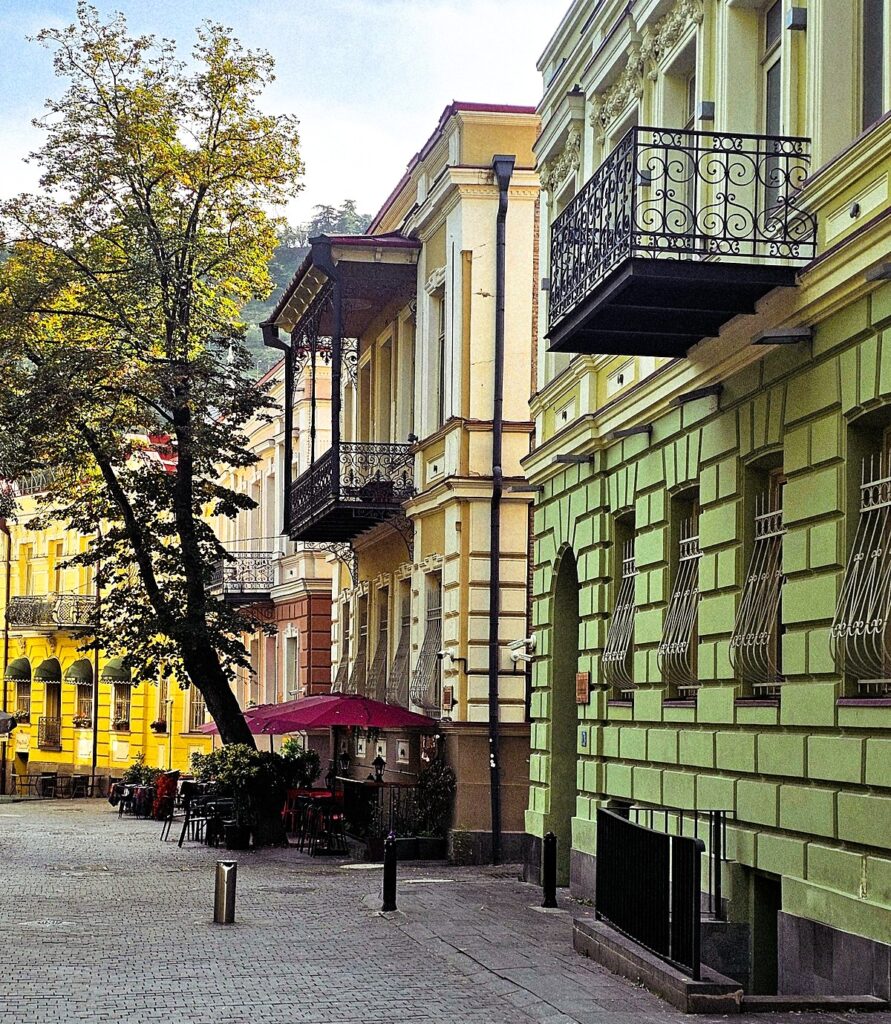
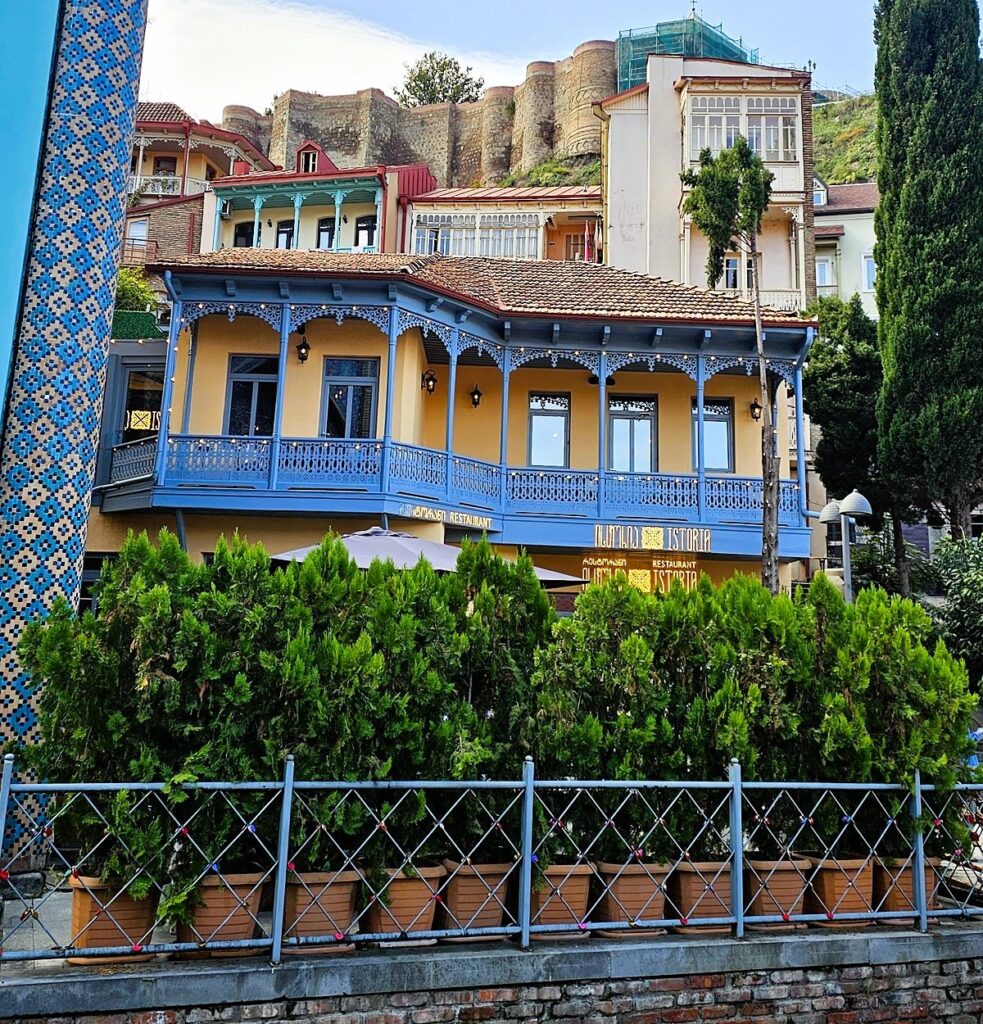
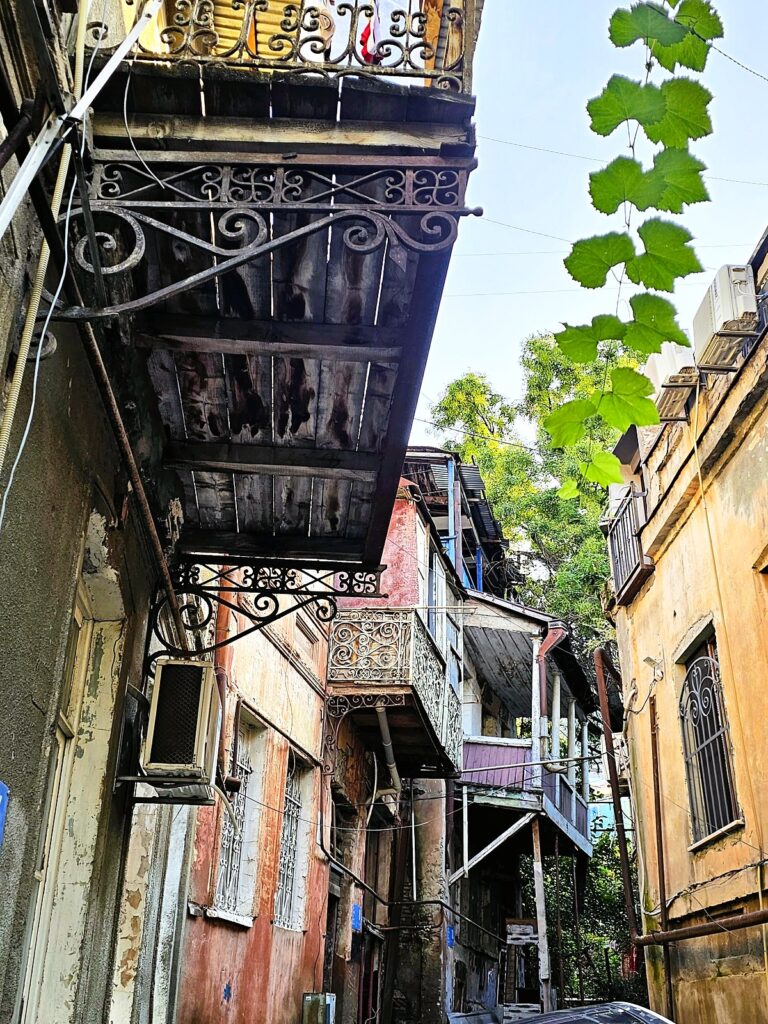
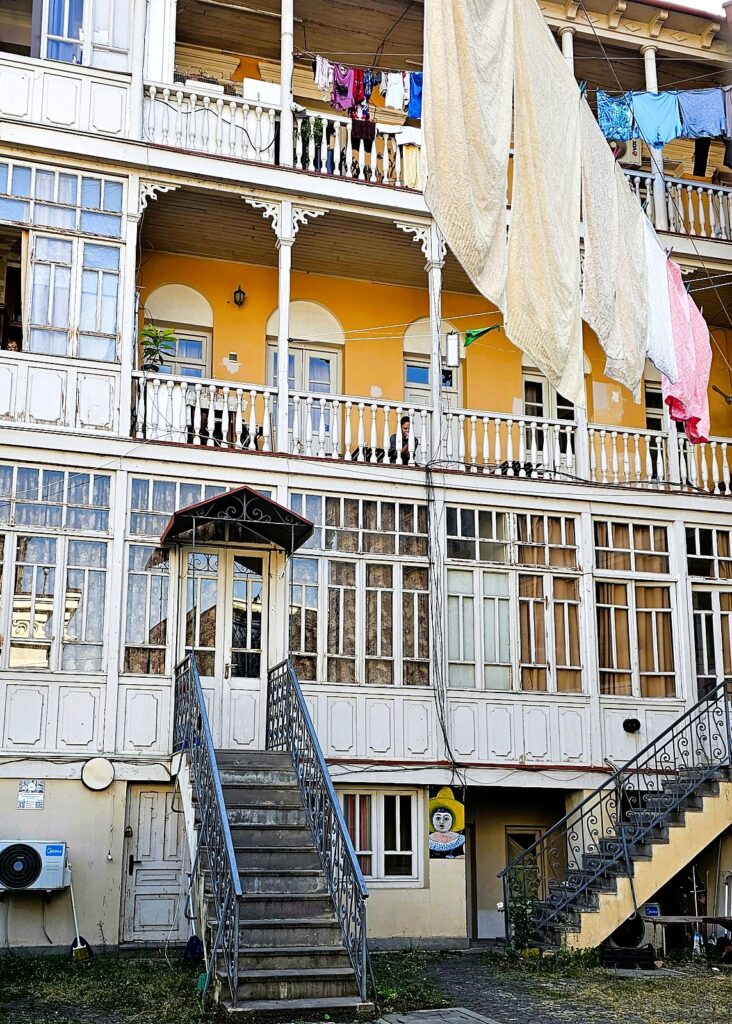
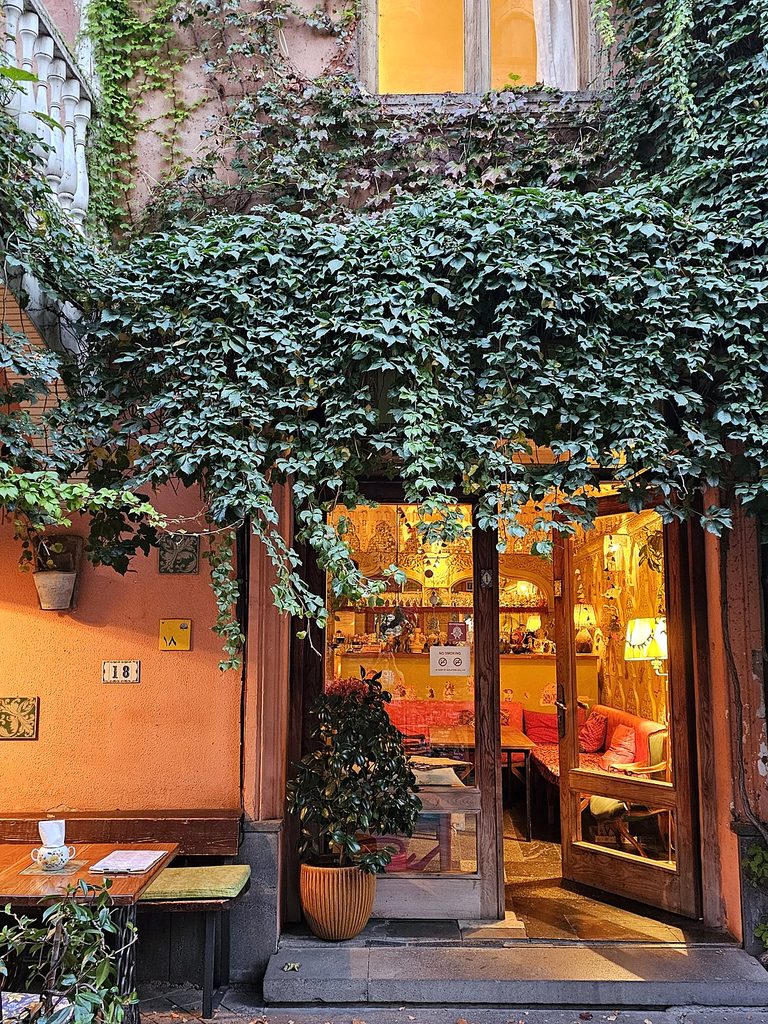
Step into the old cobbled alleys and you’ll find narrow streets lined with balconied buildings, their wooden balconies leaning out over the street. And then there are the grapevines, climbing up buildings and cascading over walkways, and flower and second-hand book sellers on street corners.
It’s a city that doesn’t fit neatly into one category.
I kept having this strange feeling of not quite understanding where I was. Not in a bad way, but in a way that made me curious. I couldn’t quite place the city, and just when I thought I’d got a feel for it, something else would catch my attention.
Perhaps that’s part of what makes Tbilisi so interesting. Georgia sits at the crossroads of Europe and Asia, and its history, architecture and culture reflect influences from different places. But rather than feeling like a straightforward blend of one thing and another, Tbilisi most definitely has its own character.
Where to stay in Tbilisi as a midlife female solo traveller
Tbilisi’s neighbourhoods feel very different, so where you stay can shape your experience of the city. I stayed in the Old Town, Chugureti and Vake. Below are my impressions, along with a few other neighbourhoods worth considering.
I’ll discuss some of the areas in more detail below, but here’s a few notes to ponder:
Neighbourhoods to consider staying in
The Old Town (I stayed here) – The Old Town is a good starting point for a first visit, with historic streets, atmospheric architecture, restaurants and the sulphur-bath district close by. This is the main tourist area. There’s plenty of hotels here and if you’re only in Tbilisi for a short time, I would probably stay here.
Chugureti (I stayed here) – A varied neighbourhood with quite an unusual feel, it feels part bohemian around Fabrika, a hostel and a creative hub of cafés, bars and independent shops.
Then you have the nearby, Aghmashenebeli Avenue, which is a beautiful, wide boulevard lined with historic buildings, but then up the back streets, there’s an altogether more local feel with lots of fresh fruit and veg shops, bakeries and independent shops.
The metro is here, making it a convenient base for exploring Tbilisi.
I liked staying in this area. It has a colourful character and I enjoyed having somewhere interesting to explore beyond the main tourist centre.
Vera – has a cosmopolitan feel, with cafés, shops and places to eat, while remaining close to the centre. Parts of Vera are within reach of Rustaveli metro station. I’d consider staying here on future trips.
Vake (I stayed here) – a more upmarket, residential neighbourhood with modern buildings, cafés and parks. It feels less like the historic centre and may suit you if you prefer a more residential base, particularly for a longer stay. There is no metro station in Vake, however, so you’ll need to rely on buses and taxis to get around.
Sololaki – Next to the Old Town, Sololaki is known for its historic architecture, old courtyards and characterful streets. It’s worth considering if you enjoy staying somewhere with a sense of history, but be mindful of hills, steps and the condition of older buildings.
Marjanishvili – a lively neighbourhood with bars, restaurants and a metro station. It could suit you if you want plenty happening nearby and convenient public transport.
Saburtalo – a larger, more modern residential district with metro access. It’s a less touristy alternative to Vake, with everyday shops and services, and may be worth considering for a longer stay.
Beautiful Boutique Hotels and an apartment I stayed in
I think where you stay can add so much to a trip, and I particularly love finding places with real character and style.
These are the hotels and apartments I’ve stayed in and would personally recommend.
Each of these has offered something a little different, with its own atmosphere and personality. For me, that’s part of the enjoyment of travelling: finding somewhere that feels special and adds another dimension to the experience of a place.
I won’t let anyone tell me, a hotel is just somewhere to sleep!
Old Town: Blue Fox Hotel (££) – A mid range boutique hotel combining contemporary design with traditional elements, with an artistic feel. Its central location made it easy to explore the surrounding streets, squares, cafés and restaurants.
The staff are really lovely here and very helpful. The Blue Fox Hotel is definitely worth considering if you want to be based in the historic centre and have many attractions within reach. It’s Michelin recognised.
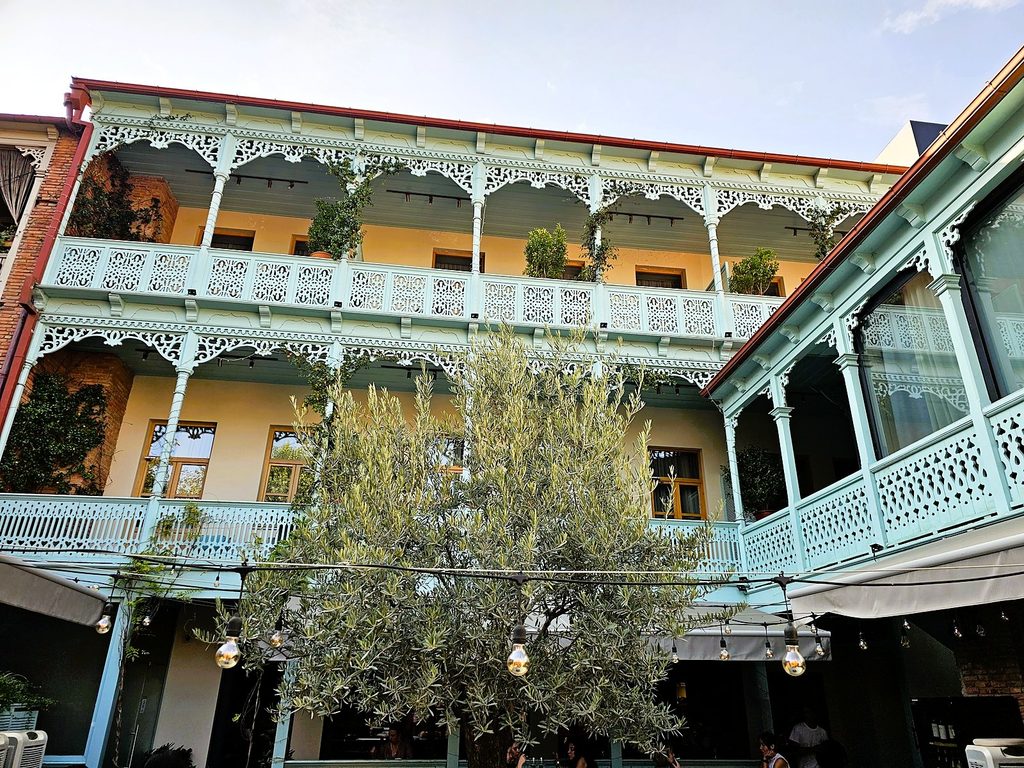
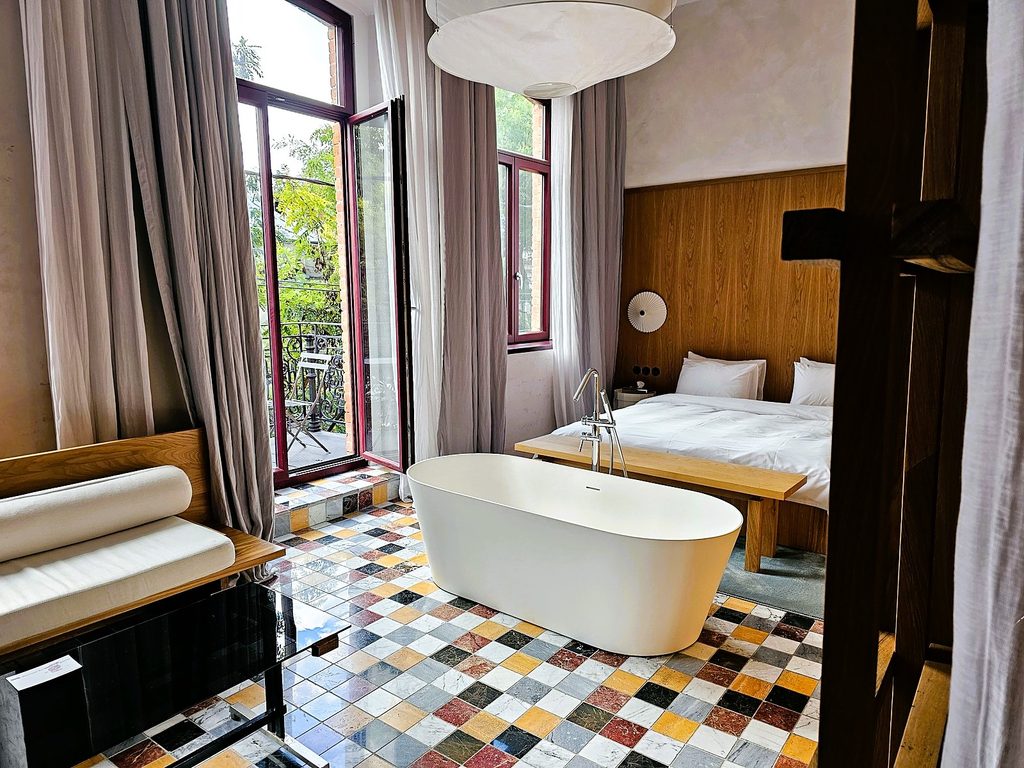
Chugureti: Bellhop Hotel (£) – I think the Bellhop is excellent value for money. It’s a beautiful boutique hotel with a carefully considered interior.
My room had a bath in the bedroom, a sound system, a filter coffee machine and even a cocktail shaker. The little details gave an element of luxury which I loved. The Bellhop is about 10 minutes walk from the metro station at Chugureti.
Note: The Bellhop does not have lifts to upper floors.
Looking for a hostel instead? Fabrika is a good choice.
Vake: Apartment (£) I stayed in an Airbnb apartment in Vake, a more residential part of Tbilisi that feels quite different from the historic centre. I really liked its location on the edge of Vake Park, in a neighbourhood where everyday life was right on my doorstep.
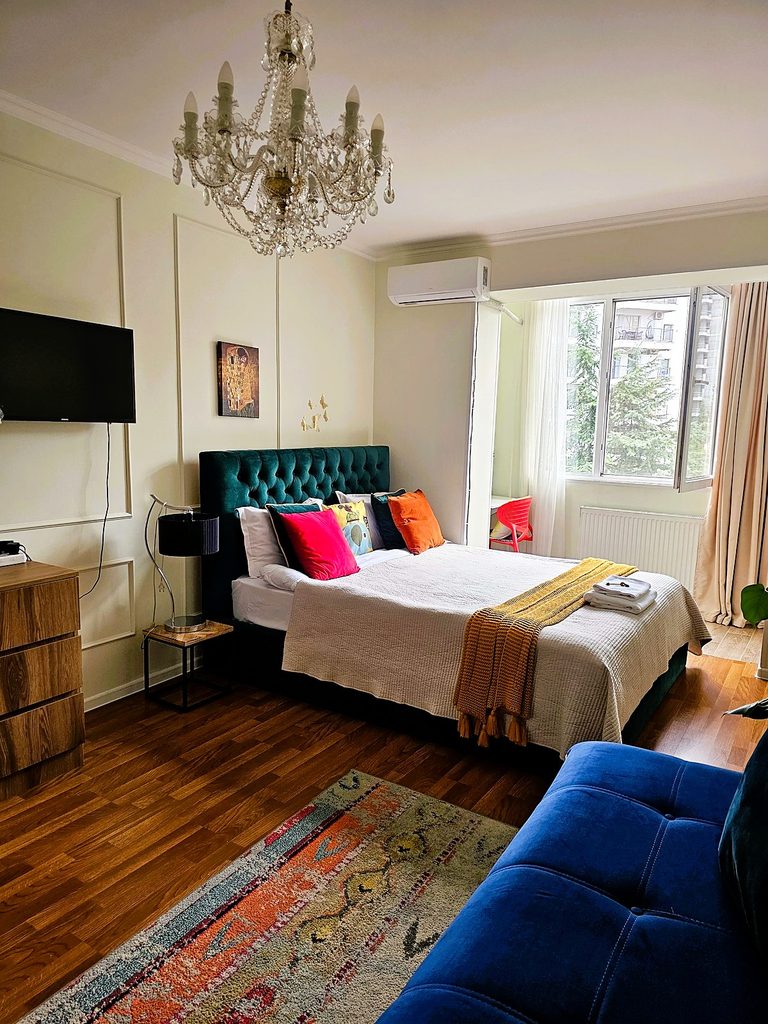
I could take the lift downstairs and find a vegetable shop, a bakery making fresh bread every day, and food shops selling freshly prepared takeaway meals. It was lovely being able to pop out for a few essentials or pick up something easy to eat without having to venture far.
Vake has a more modern feel, with plenty of green space, and I enjoyed experiencing this side of the city. The main drawback is that there’s no metro station in Vake, so you’ll need to rely on buses or taxis such as Bolt to get around. Buses run regularly into the centre, although traffic can be heavy.
My personal choice if I were to visit Tbilisi again: I would choose either to stay in Vera, Chugureti or the Old Town.
Tbilisi Hotels with Spas
Tbilisi has a good range of hotels that combine a stay with wellbeing:
Chugureti
Design Hotel & Private Spa (£)
Unfound Door (££)
Old Tbilisi
Paragraph Golf & Spa Talbori, Autograph Collection (£££)
The Telegraph Hotel (£££)
Is Tbilisi safe for solo women over 50?
In short: yes. Tbilisi is generally regarded as a very safe capital city, and I felt comfortable staying six weeks on my own. I felt safe throughout: I had no unwanted attention.
Part of it is simple. Crime against visitors is low, Georgians take pride in looking after guests, and the city is easy to get around with the metro, buses and Bolt. I also noticed a visible police presence and security cameras, for example in Vake Park, which added to the feeling of security.
As with any destination, there are a few basic precautions I’d recommend when travelling solo:
- Use Bolt rather than hailing a taxi on the street. The fare is agreed through the app and your journey is tracked, which I find reassuring when travelling alone, particularly after dark.
- Take care with drinks and be cautious if someone you don’t know well offers you a drink.
- Stick to busy, well-lit streets after dark. As you would in any unfamiliar city, stay aware of your surroundings.
- Avoid demonstrations and check current travel advice. Protests can affect access to certain areas, so keep away from demonstrations. Do not travel to Abkhazia or South Ossetia.
Exploring Tbilisi
Take a bus tour to get your bearings
I took a bus tour with audio early in my stay, which I found useful for getting my bearings.
When you arrive in a city as a solo traveller, it can take a little time to work out how the different areas fit together. A tour gives you an overview, helps you understand the layout and can highlight places you’d like to explore in more detail.
For me, it was less about seeing everything from a bus and more about getting a feel for Tbilisi and deciding where I wanted to spend my time. I have to say I didn’t love it, as the traffic was pretty horrendous but it was a hop on and off, so I could’ve hopped off at any point.
It’s also an option worth considering if you don’t want to start your visit with lots of walking.
The buses depart regularly from the old town.
Tbilisi’s Old Town
The Old Town was one of the first parts of Tbilisi I explored and a place I have been back to multiple times, and it’s a fascinating place to wander.
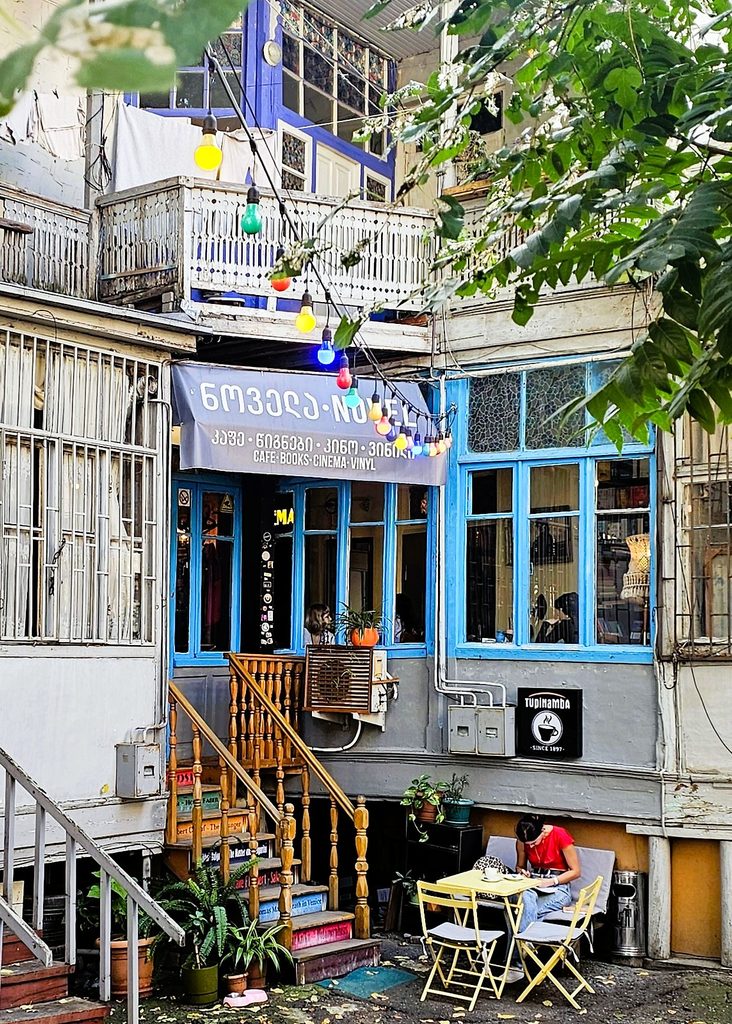
What I particularly love is the architecture. There are beautiful traditional balconies, intricate wooden details, colourful buildings and attractive little squares. Some of the buildings are crumbling, and you can see the effects of age and neglect alongside carefully restored properties. Rather than making the area less appealing, this mixture gives it character. It’s fascinating to see the contrast.
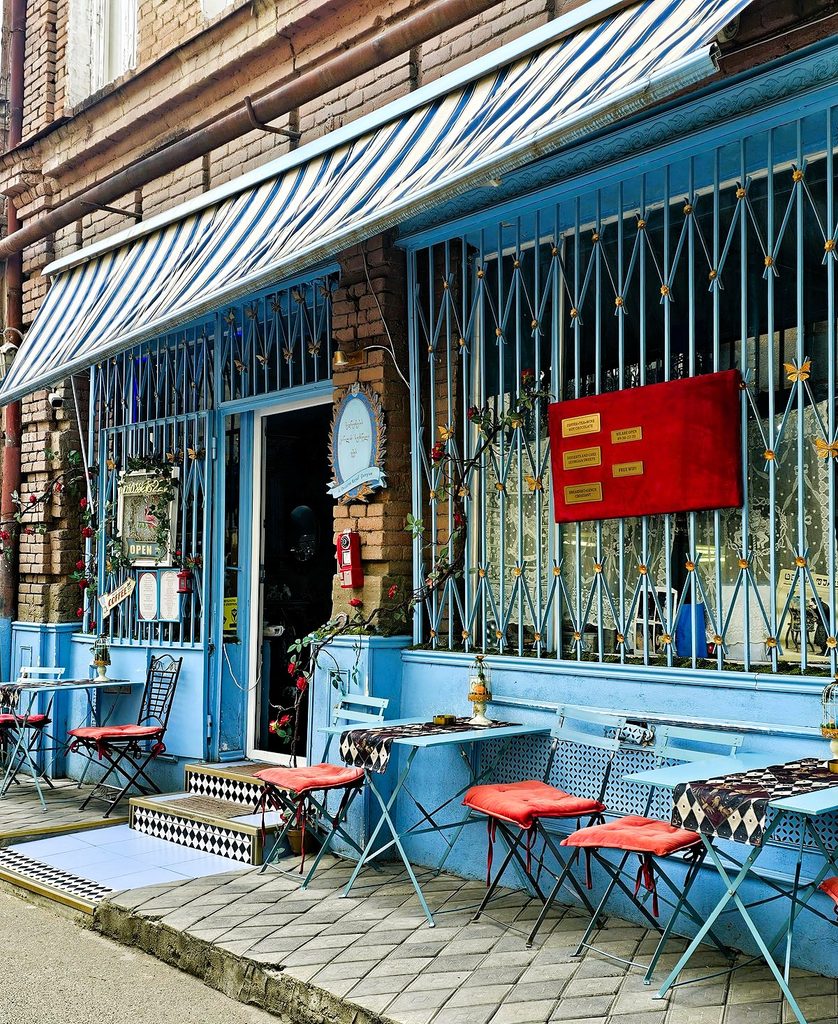
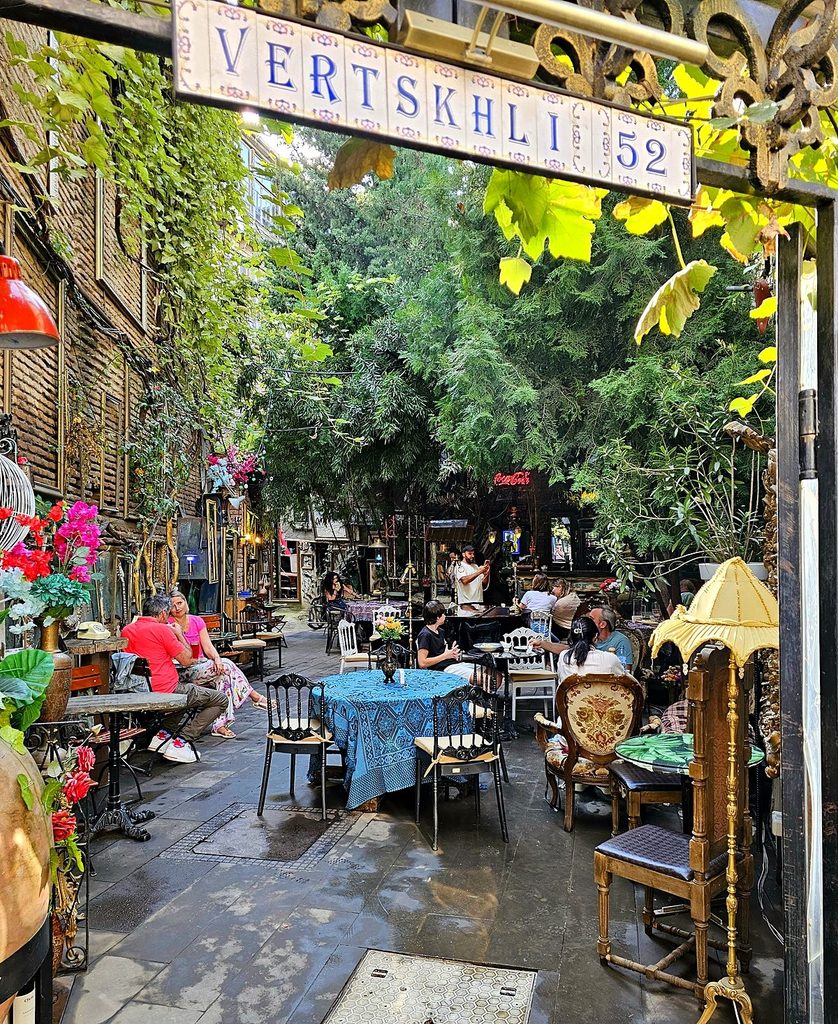
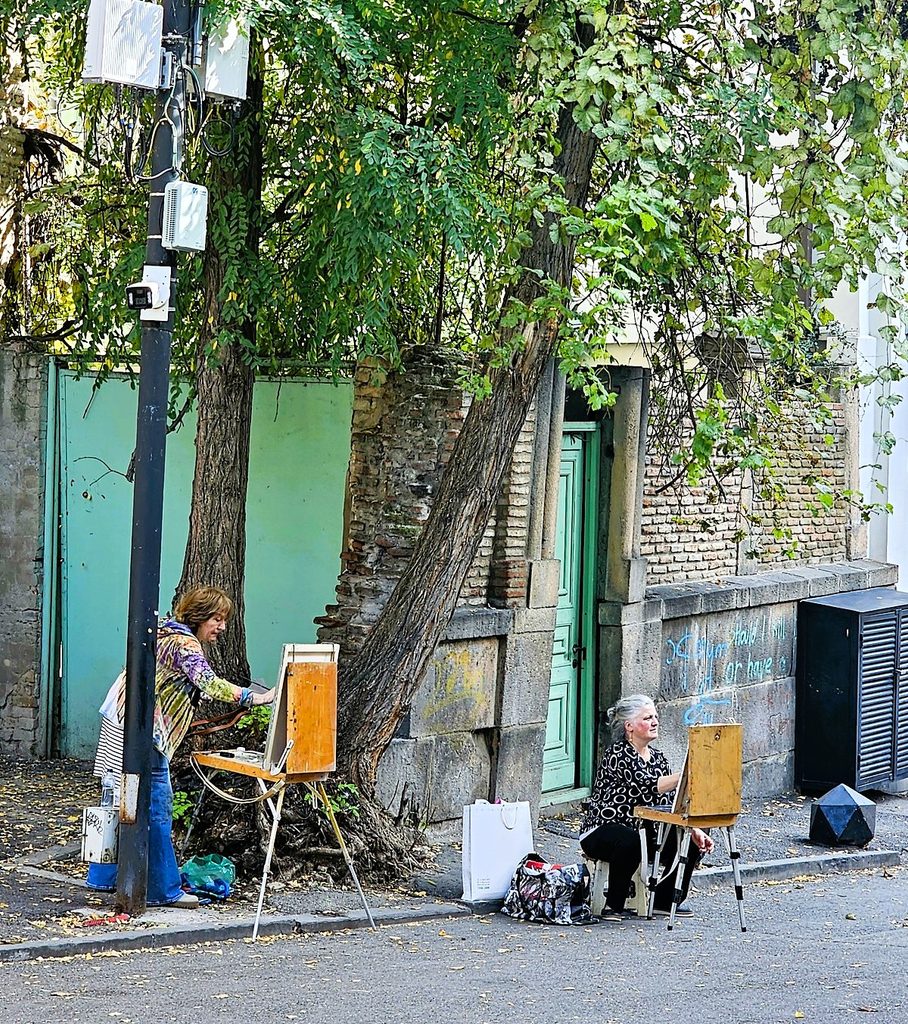
I enjoy places with a slightly bohemian, artistic feel, and there is plenty here to appeal to me. You can spend time looking at the buildings, stop for a coffee or a meal, or simply wander and see what you find.
One thing to bear in mind is that the old has cobbled streets, uneven pavements, slopes and steps. If walking is difficult for you, whether because of a chronic illness, mobility issues or an injury, it helps to be selective about where you go and allow time for breaks.
Tbilisi’s Sulphur Baths: A Relaxing Experience in the Old Town
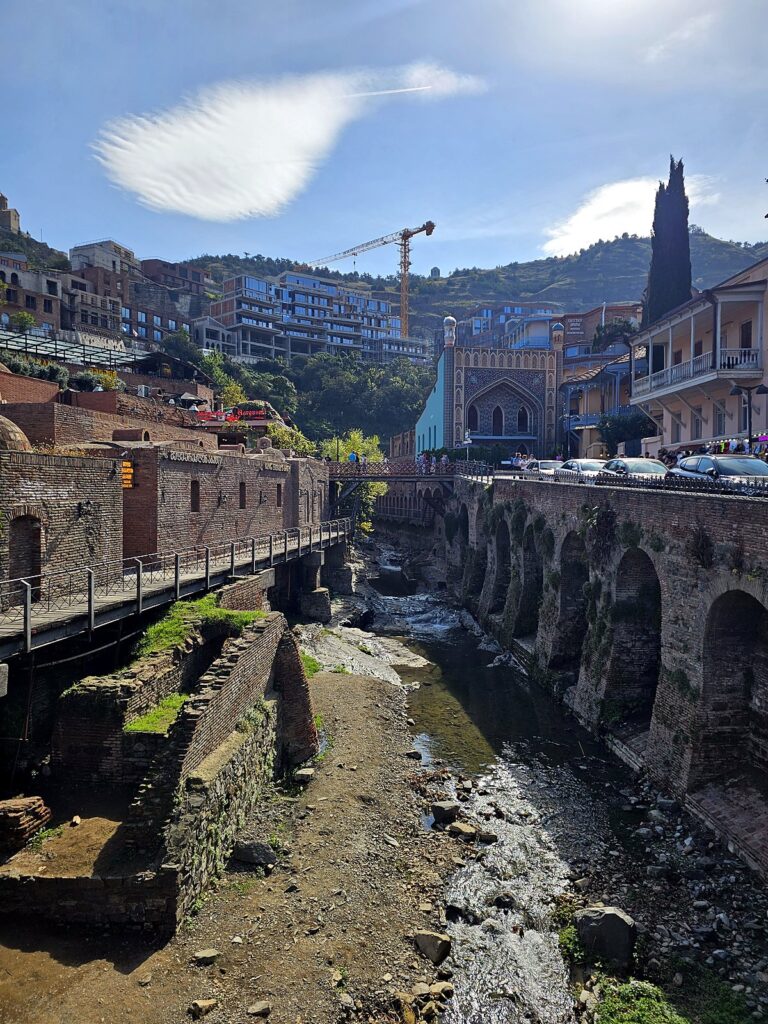
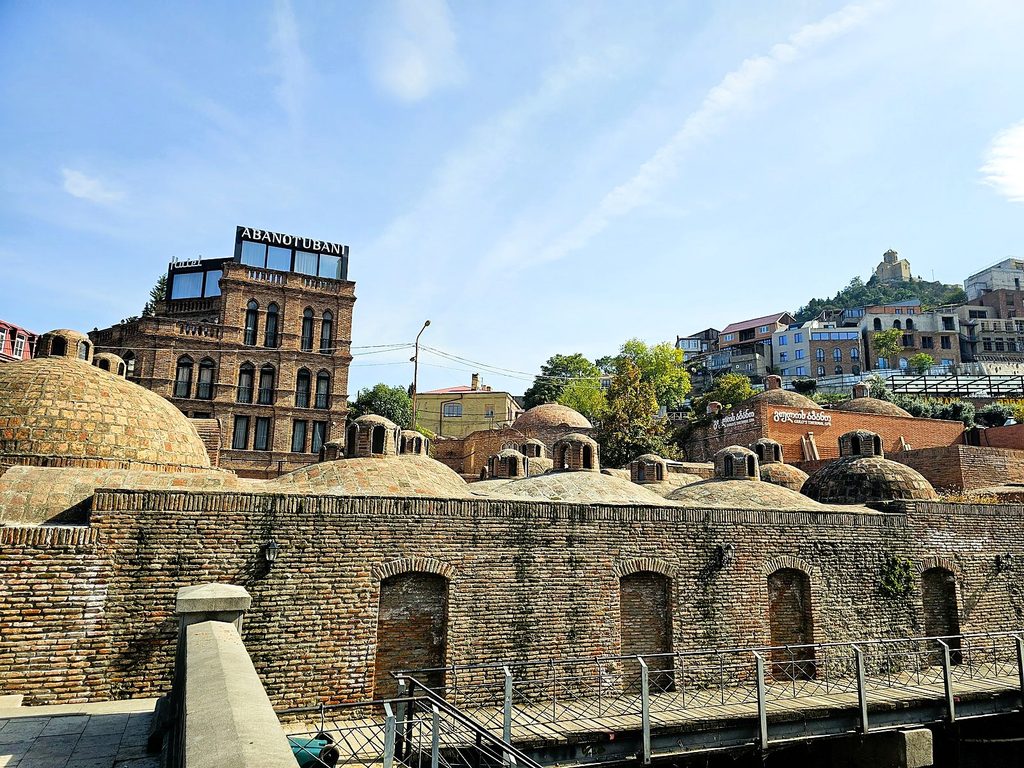
One of Tbilisi’s best-known attractions is its sulphur baths, found in Abanotubani, the historic bath district in the Old Town.
One of the things I’m fascinated by when I travel is how wellbeing is woven into a country’s history and culture, whether that’s bathing, traditional therapies, rituals or simply ways of taking time out from everyday life. Tbilisi’s sulphur baths are a lovely example. They’ve been part of the city’s identity for centuries.
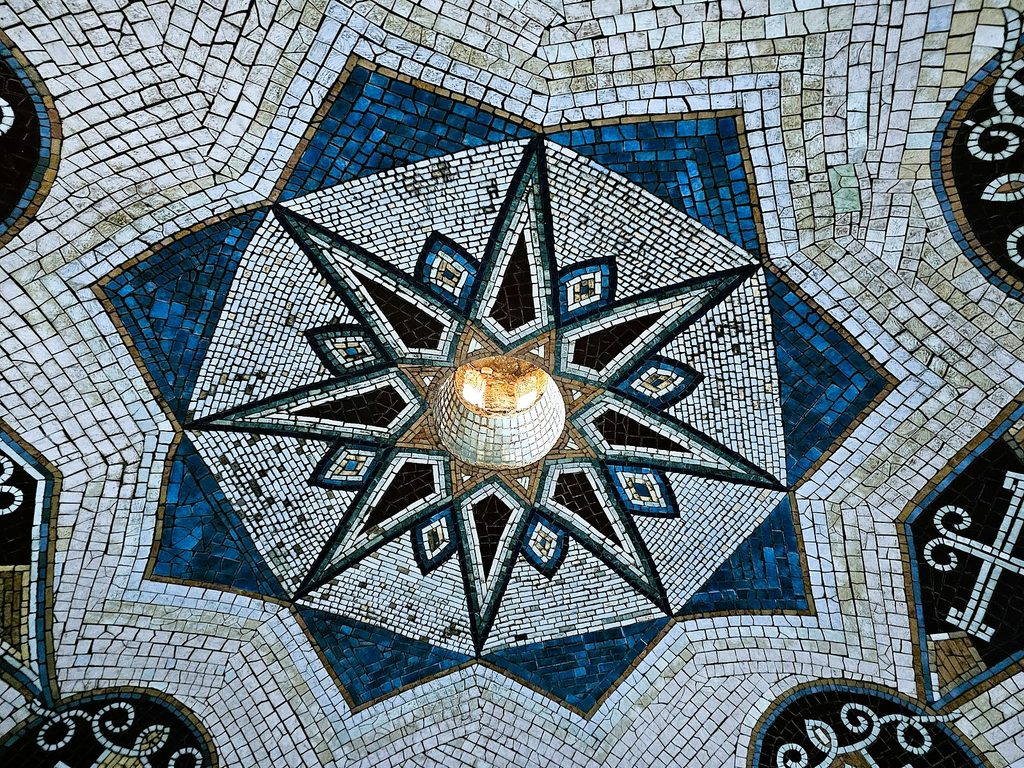
According to local legend, the hot springs were discovered by King Vakhtang Gorgasali in the fifth century, and the city grew around them. The name Tbilisi comes from the Georgian word tbili, meaning warm. The distinctive brick domes of the bathhouses are now among the city’s most recognisable sights.
I tried three different sulphur baths during my stay and found them wonderfully relaxing, and a welcome change from exploring the city. They fitted perfectly with my slow-travel approach. You don’t need to spend a whole day sightseeing to have a memorable experience.
A note on the heat: very hot water doesn’t suit everyone. If you have a heart condition, blood pressure issues or any other health concern, check with your doctor first, and consider booking a private room, where you can control the temperature and take breaks as you need.
There are several bathhouses to choose from, with different styles and facilities. I’ll share more about the three I visited in my separate guide to Tbilisi’s sulphur baths.
Around the centre: Rustaveli, Dry Bridge Market and the river
Freedom Square and Rustaveli Avenue are useful reference points. Freedom Square marks the meeting point between the Old Town and the more modern parts of the city, while Rustaveli Avenue has grand architecture, a shopping mall and cultural buildings. When I visited, substantial roadworks affected this area and apparently, the avenue has been like this for some time!
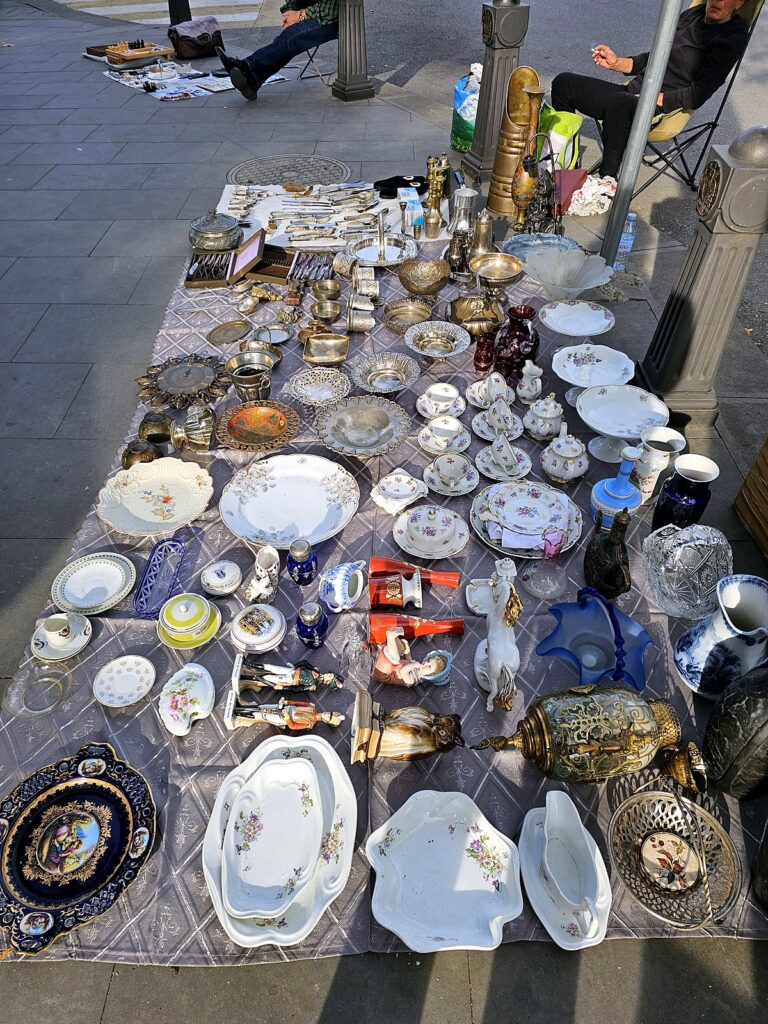
Dry Bridge Market is an open-air flea market selling antiques, Soviet-era memorabilia, artwork, rugs, jewellery and vintage curiosities. It’s a lovely place to browse and an easy addition to a day out.
The river adds another dimension to the city. I enjoyed it as I explored, and boat trips are available if you want to see Tbilisi from the water. I haven’t taken one myself, but I’d consider it for a different perspective without hours of walking.
Take the Cable Car to the Mother of Georgia Statue
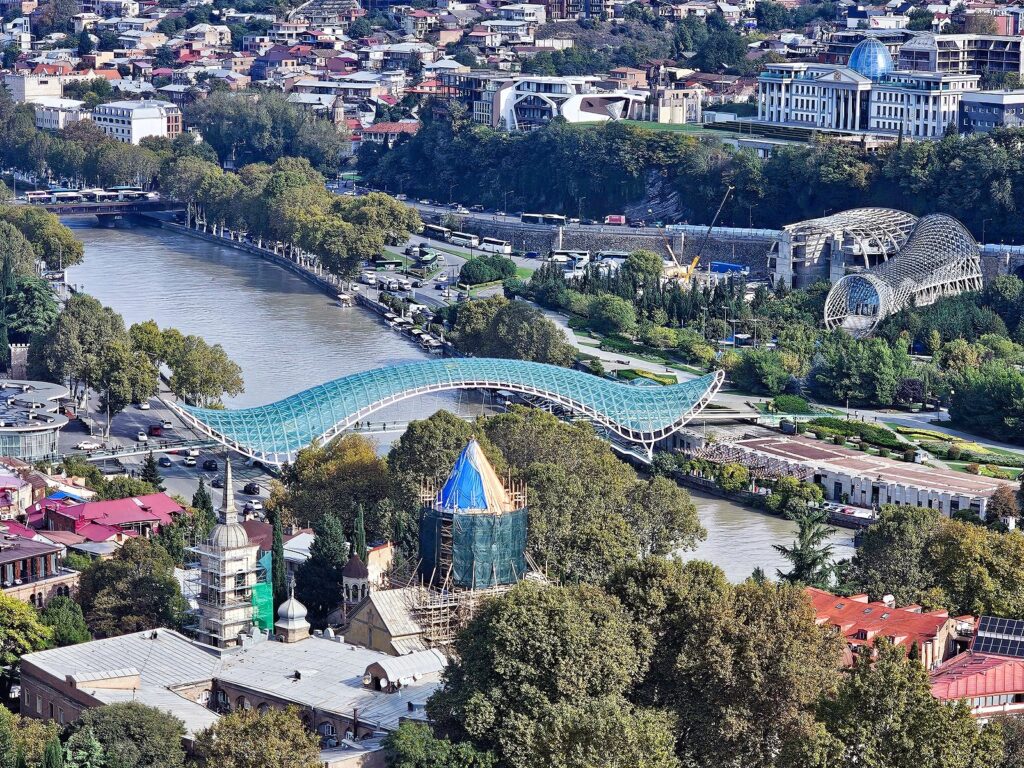
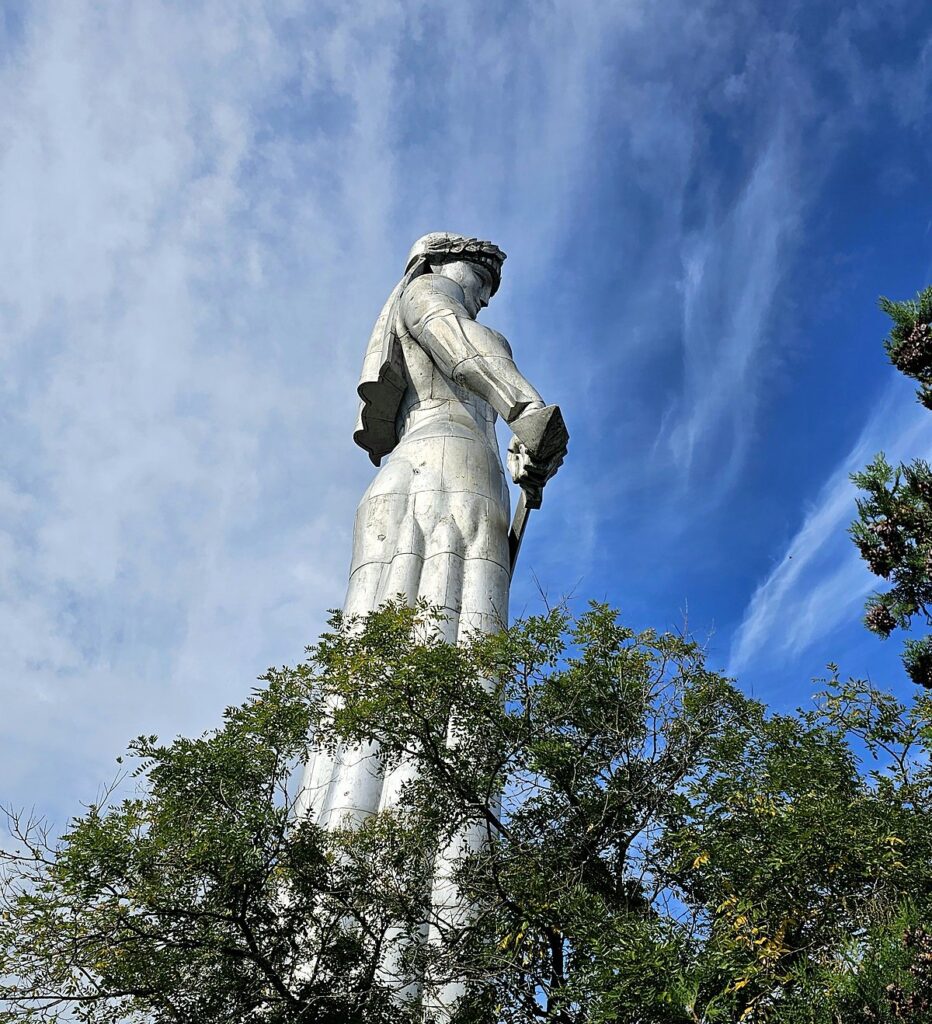
One of my favourite experiences was taking the cable car up to the Mother of Georgia statue (Kartlis Deda) on the hill above the city. She holds a bowl of wine to welcome guests and a sword to defend the city, symbolising Georgian hospitality and strength. I love that a powerful woman stands high above the city for everyone to see.
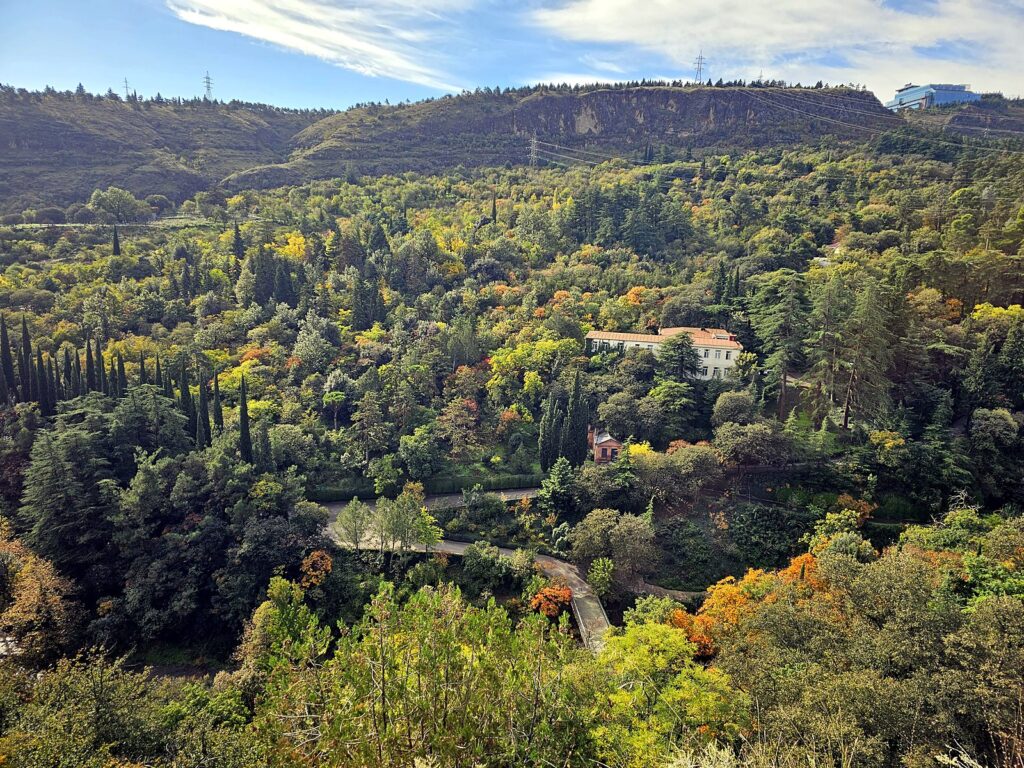
The ride is worth it for the views alone: old rooftops and newer buildings with the river winding through, and green hills and botanical gardens in the other direction. From above, you see how the city sits in its landscape, which is easy to miss at street level.
It was also great to see the beautifully designed Bridge of Peace from high up.
The cable car also gives access to the Tbilisi Botanical Garden. Allow extra time if you’d like to explore, but note the steep paths and uneven terrain if walking is difficult.

Tours & Experiences in Tbilisi
I personally love to use Get Your Guide or Viator when travelling alone. They offer quality tours and experiences, I may not have otherwise considered. They are also a great way to meet other solo travellers.
Top rated tours in Tbilisi include:
Food & Drink
- Tbilisi: Old & New City Guided Tour with 15 Tastings & Wine
- Tbilisi: Cooking Class with a Local Family
Tours
- Tbilisi: City Highlights Guided Walking Tour
- Tbilisi: Scholar-Led 3-Hour Walking Tour of Living Heritage
Wellbeing
Free Tour
Another great option is Free Tour. Tours are offered on a pay what you feel it’s worth policy. You pay at the end. I usually pay around £10 or equivalent. They’re a great way to get a feel for a city.
Chugureti: a neighbourhood with a different feel
Chugureti is one of the areas I’ve particularly enjoyed.
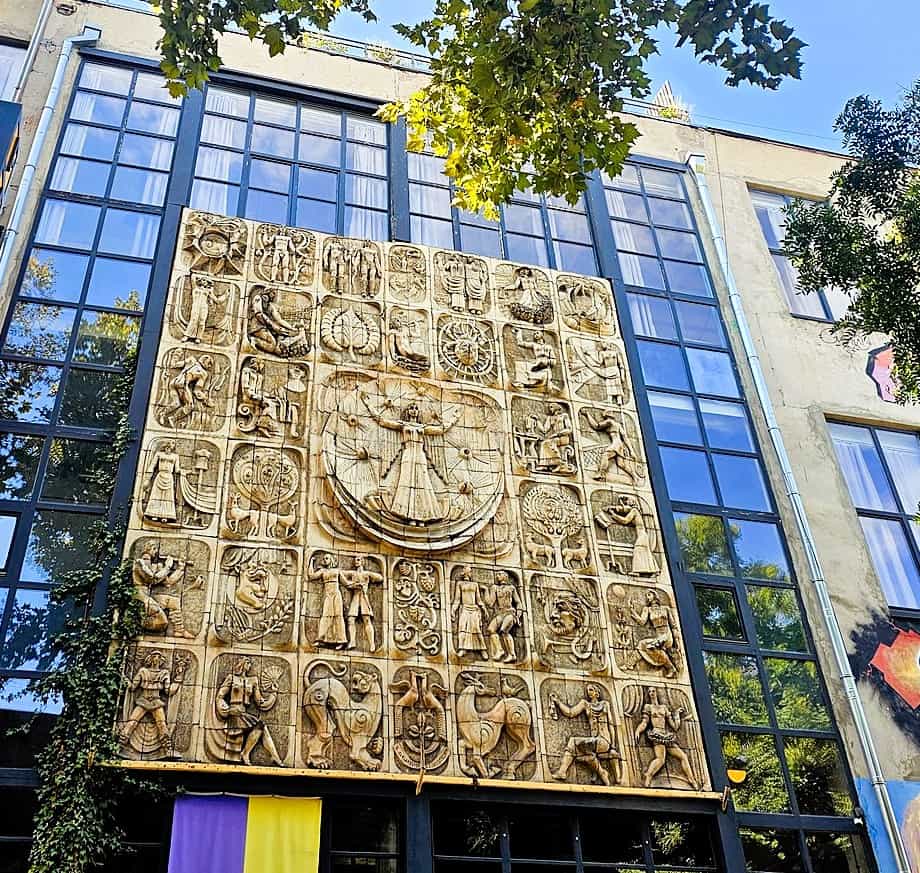
I like its combination of artistic, independent places and traditional architecture. Fabrika is a good example of the creative side of the neighbourhood. Housed in a former Soviet sewing factory, it has been transformed into a hostel and social space with cafés, bars, shops and courtyards. I took my laptop here a few times and settled down in the large open café space to work on my website.
I also like the wider boulevards and beautiful architecture around this part of the city. It’s a contrast to the narrower streets of the Old Town and gives Chugureti its own identity.
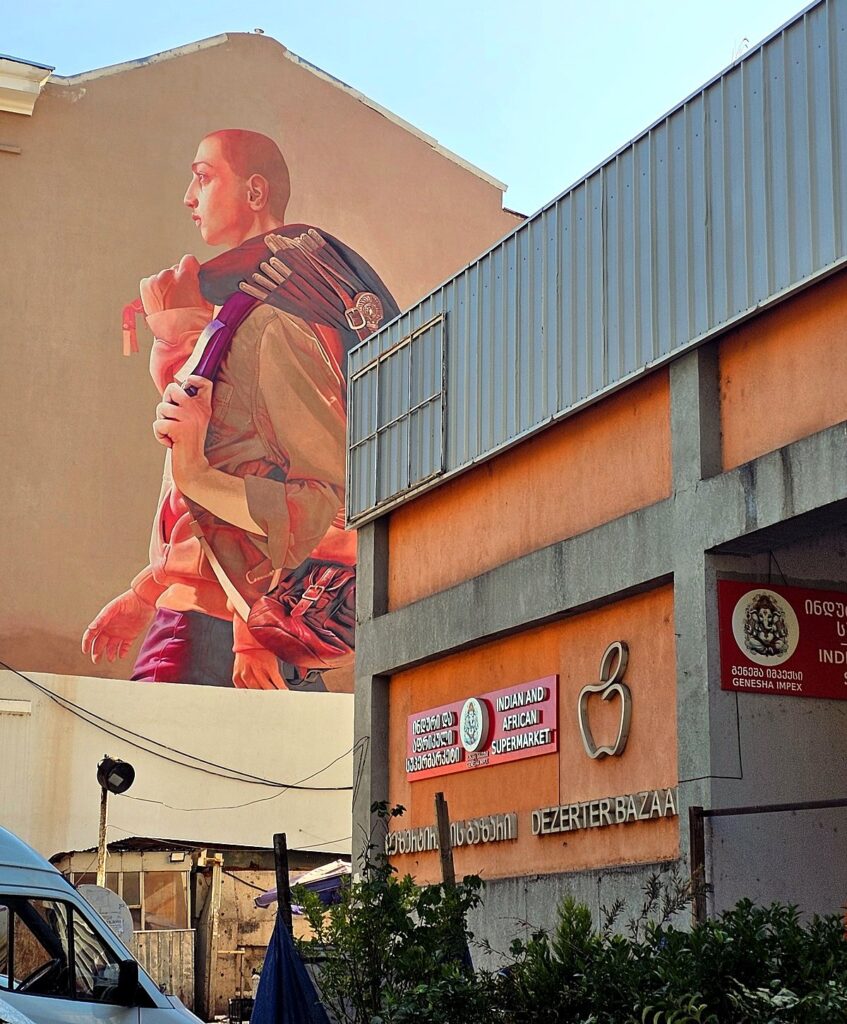
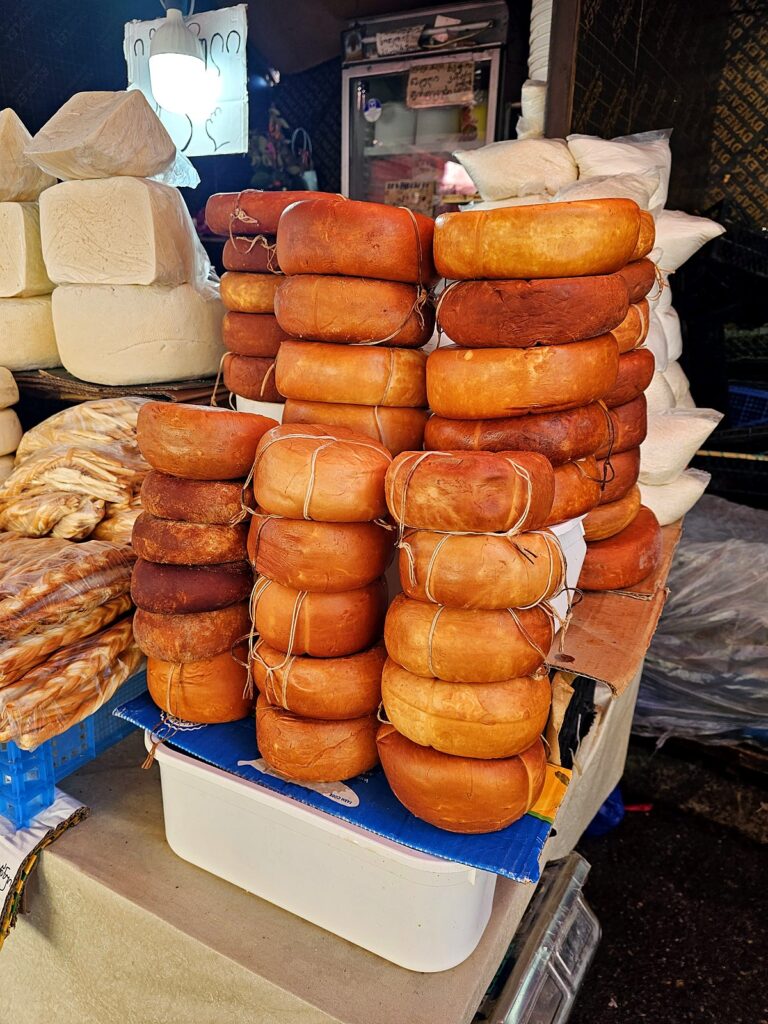
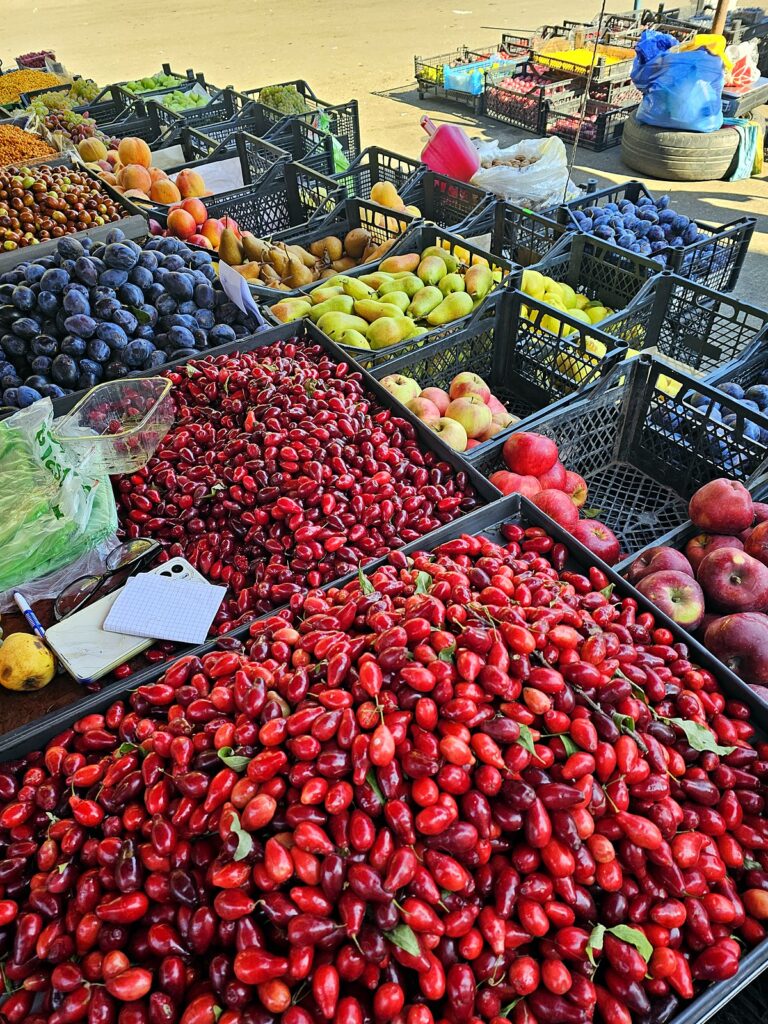
There’s also a large daily market in Chugureti called Dezerter Bazaar. It’s a bustling place filled with colourful displays of fresh fruit and vegetables, fragrant herbs, cheese and beautiful flowers. I loved wandering around and soaking up the atmosphere. It’s a wonderful way to get a taste of everyday life in Tbilisi.
Vera: cafés, shops and a cosmopolitan atmosphere
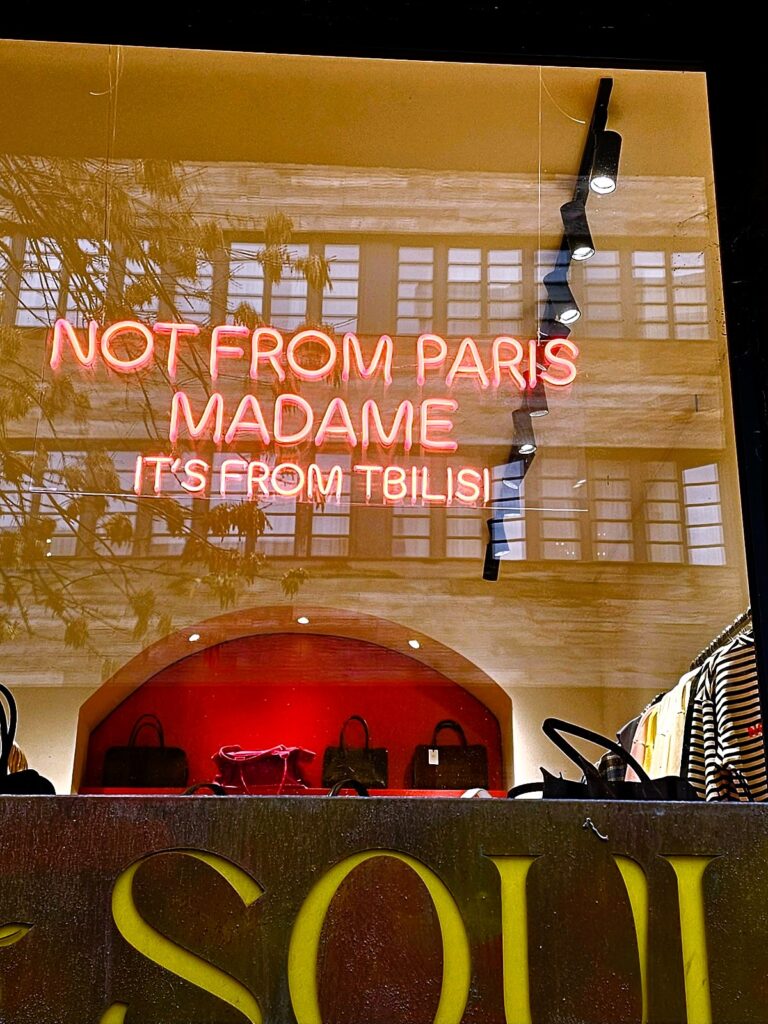
Vera is another neighbourhood I’ve liked. It feels more cosmopolitan to me, less touristy with attractive cafés, independent shops, leafy walkways and a contemporary atmosphere.
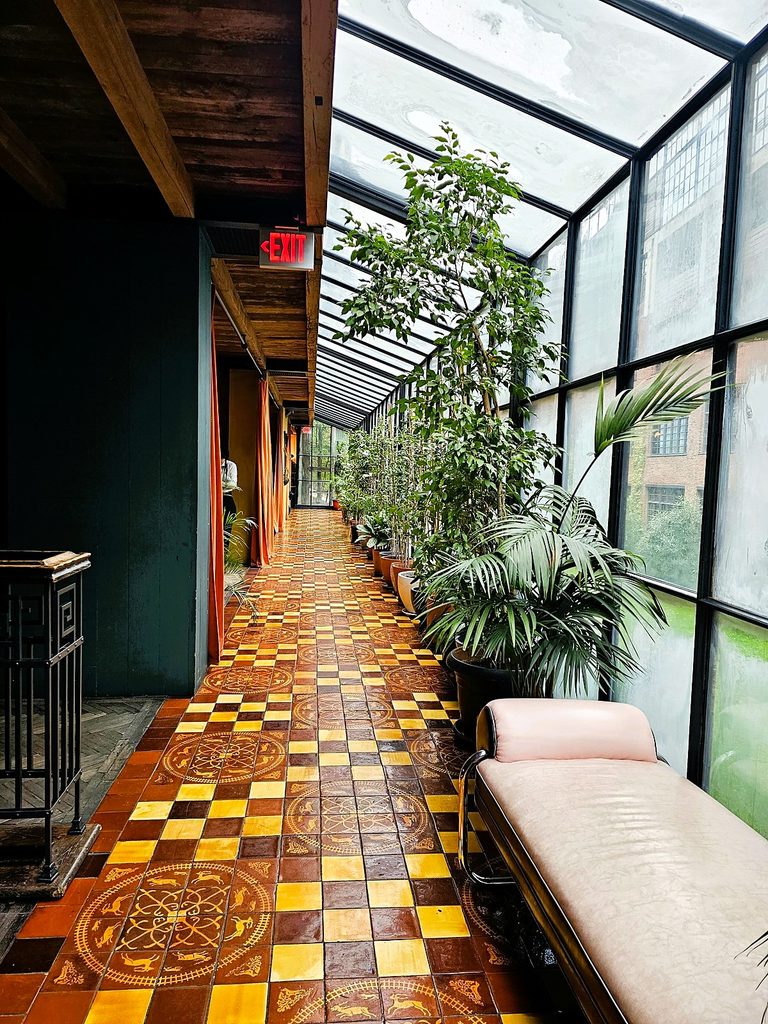
My favourite coffee stop was the Stamba Hotel and it had me craving a stay there (next time)!
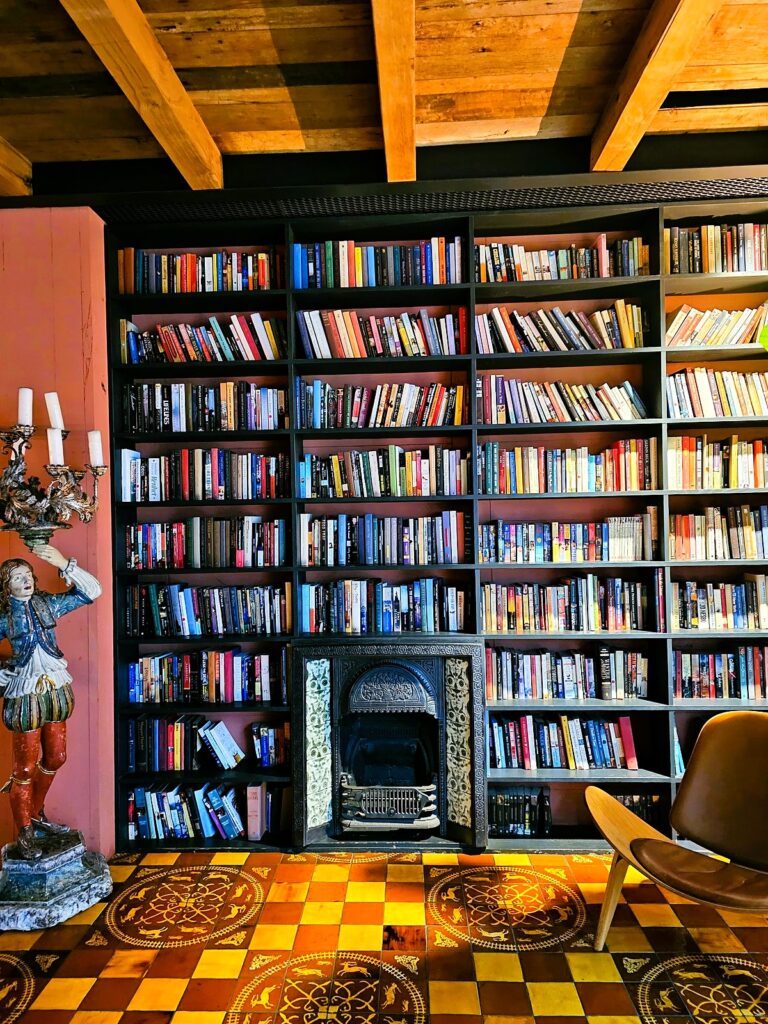
Stamba hotel is a former publishing-house that has been converted into a hotel and social space. There’s a bookshop at the entrance, as well as a vertical garden, classy interior, restaurants, cafes and bars, a bakery, chocolaterie, a co-working space and an open air amphitheatre for summer entertainment. What more could you want from a hotel? You don’t have to be staying to visit.
Vera appeals to me because it feels like somewhere you could spend time simply enjoying the neighbourhood rather than concentrating on sightseeing. It’s also much flatter than the older areas so better if you feel like a break from hills.
Vake: parks, modern buildings and a different side of Tbilisi
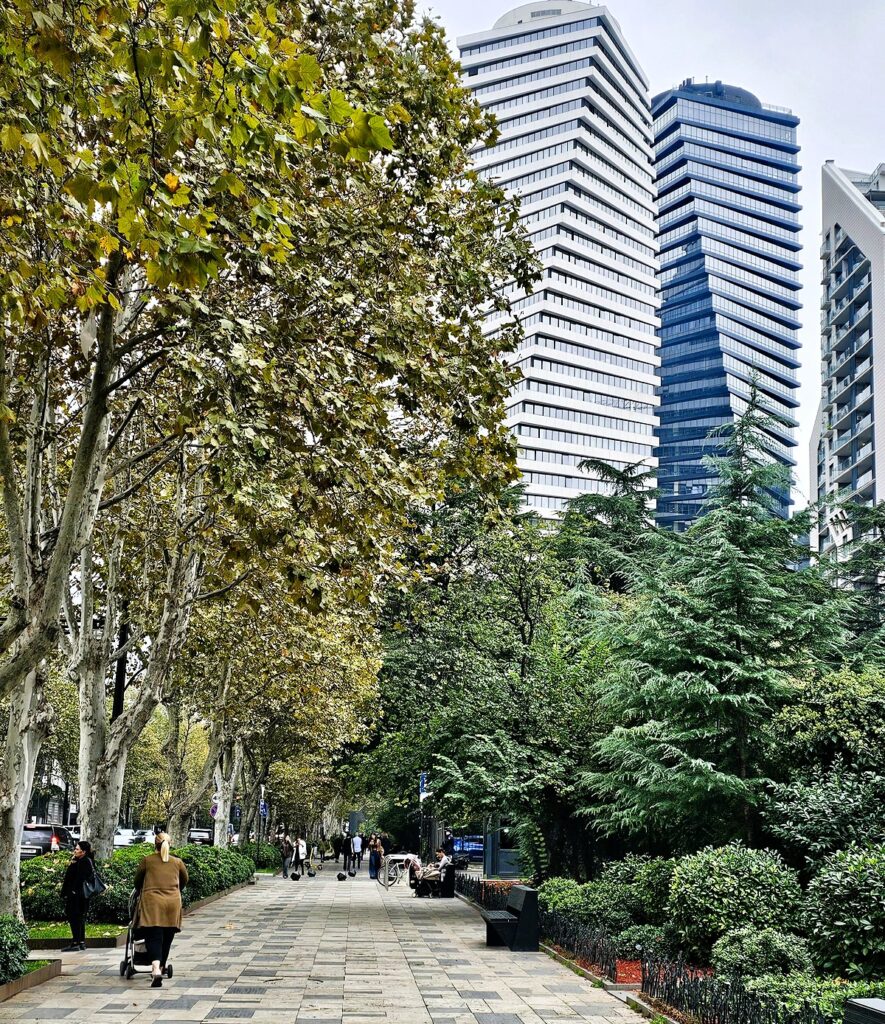
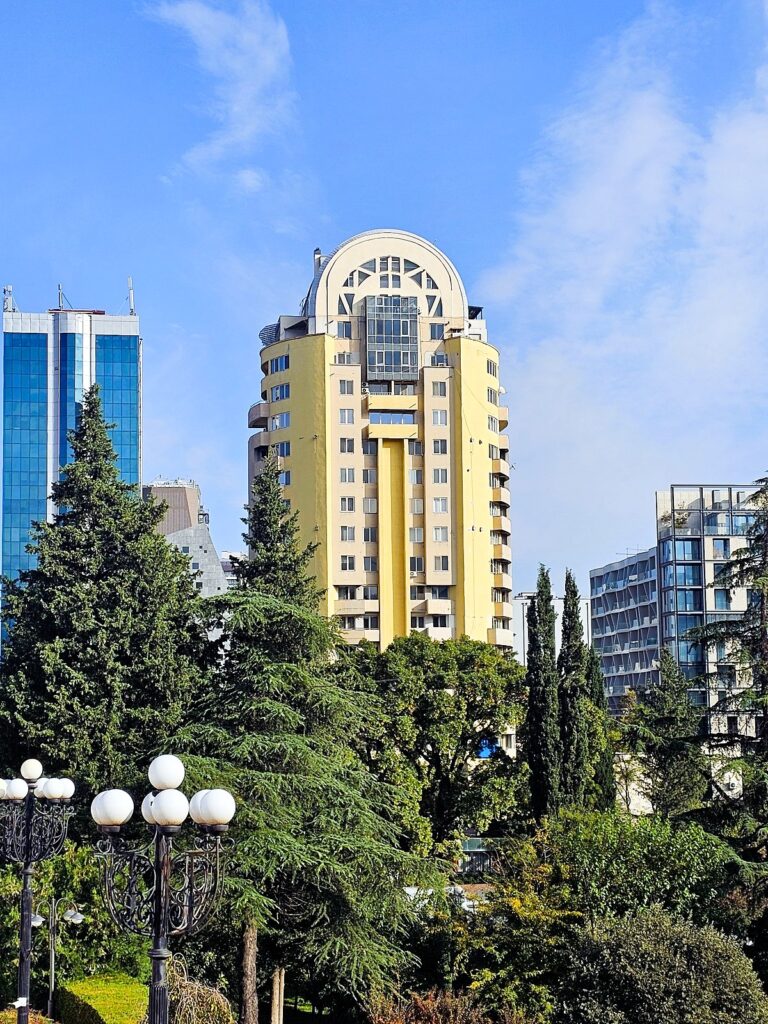
I spent the later part of my stay in Vake, which feels very different from the Old Town and Chugureti: a more upmarket feel, with modern buildings, wider streets, cafés and restaurants.
Take the Cable Car from Vake Park to Turtle Lake
I especially liked Vake Park, which is a large, leafy green space and one of my favourite things about the area. It’s a lovely place to wander, find some quiet and take a break from the busy streets.
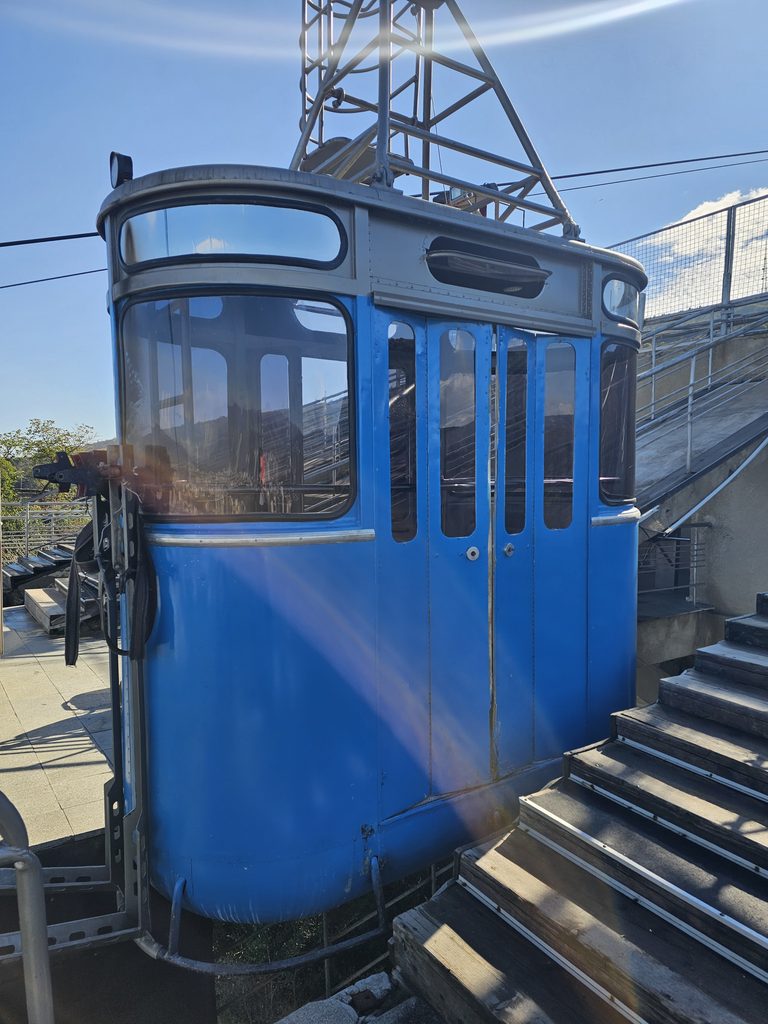
A cable car also runs from the park up to Turtle Lake. Dating back to 1965 and rebuilt in 2016, it has a much more old-fashioned feel than the modern cable car to the Mother of Georgia statue, with older-style cabins.
The cabins are slimmer, with several people standing inside rather than sitting down. The views are wonderful, first looking out over Vake Park and then across the city as you climb. The journey takes around four minutes.
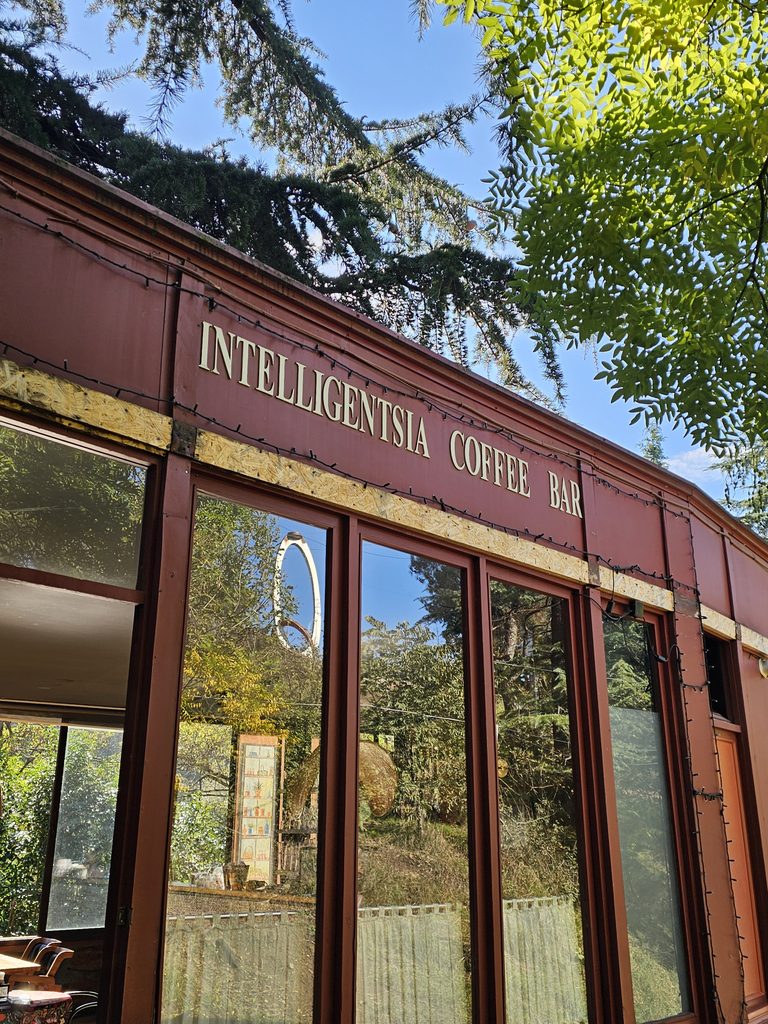
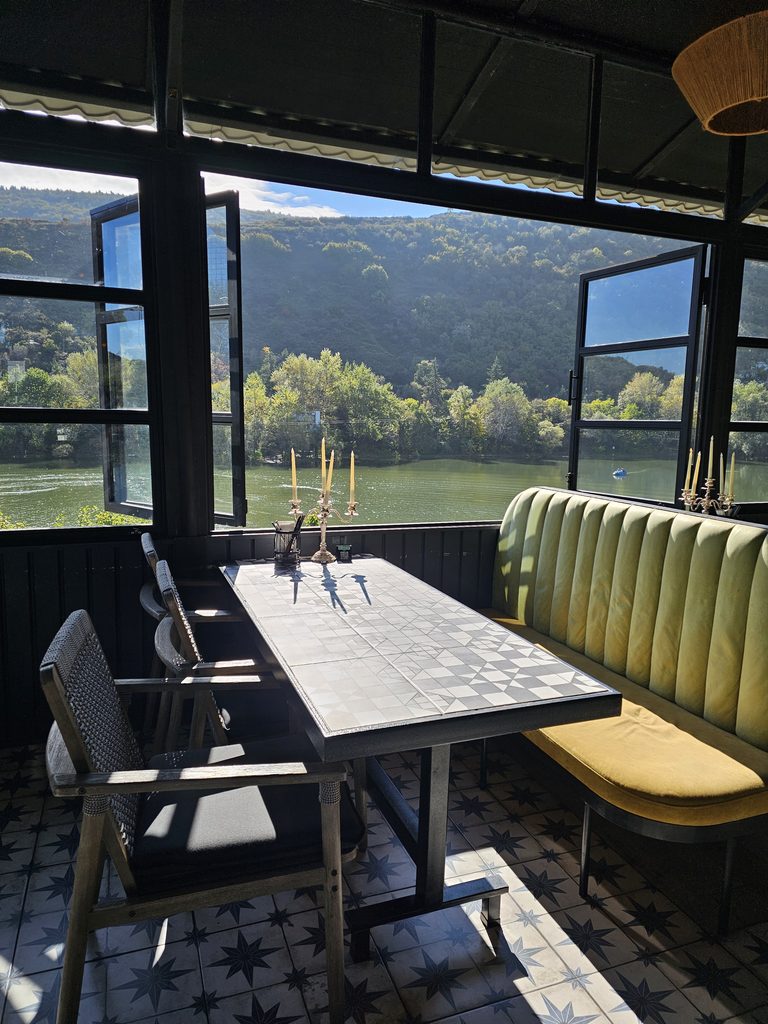
At the top, you’ll find Turtle Lake, a really pretty spot surrounded by greenery. You can walk around the lake, enjoy the views and stop at one of the cafés or restaurants for something to eat. It’s a lovely place to spend some time and a very different way to experience Tbilisi, away from the busy streets below.
Nature is never far away in Tbilisi
One of the things I’ve really enjoyed about Tbilisi is how close nature is, which can sometimes be hard to believe when you’re in a busy capital city.
There are leafy parks, lakes and green hills, and you don’t have to travel far to find a different perspective. A short cable car ride can take you above the city, where the rooftops give way to rolling countryside and green hills stretching into the distance.
I love that contrast. You can be wandering around busy streets and enjoying the cafés one minute, and feel much closer to nature the next. It’s another reason I’ve enjoyed spending time here.
Eating out and enjoying Tbilisi’s cafés
One of the biggest surprises for me has been the food. I knew very little about Georgian cuisine before arriving and honestly had no idea what to expect, but I’ve been really impressed. The food is delicious, with plenty of new flavours and dishes to discover.
If you’re new to Georgian food, these are well-known dishes to look out for:
- Khachapuri: cheese-filled bread, most famously the boat-shaped Adjarian version topped with an egg and butter. I actually wasn’t that fussed about it, but definitely worth trying.
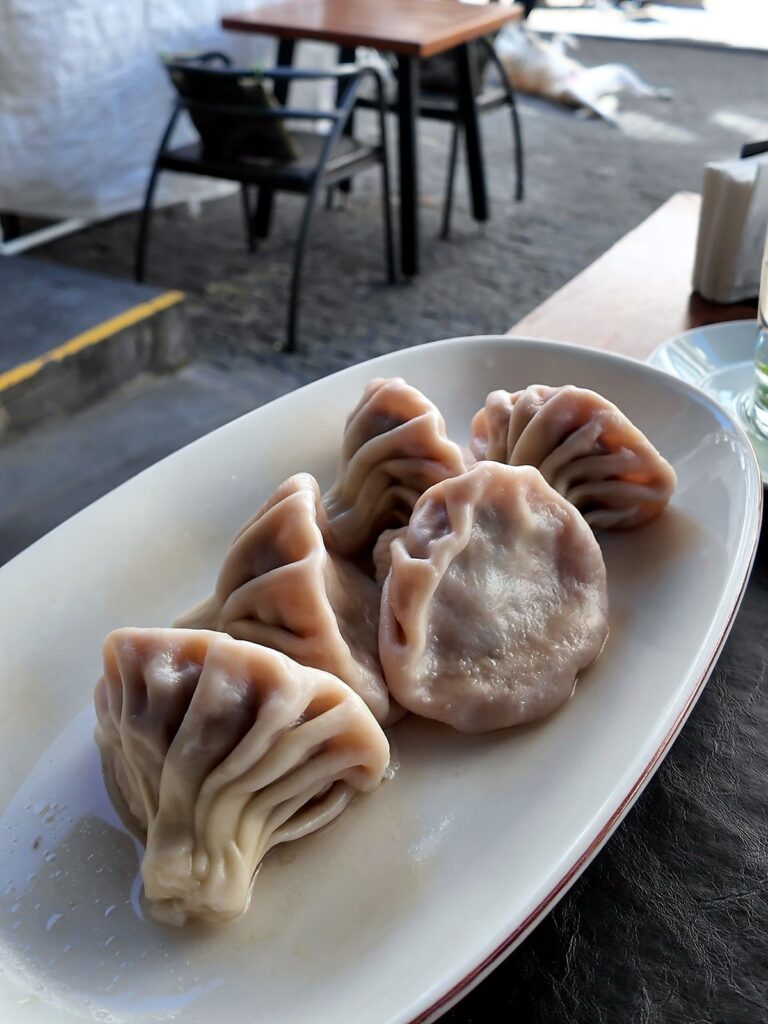
- Khinkali: large spiced dumplings, traditionally filled with meat and eaten by hand, holding the top knob. I really enjoyed these and often had them for lunch.
- Pkhali: vegetable and walnut purées, often served as a starter. This was a favourite of mine: blended beets or spinach with walnuts, healthy and incredibly filling.
- Badrijani nigvzit: aubergine rolls with walnut paste, another popular starter.
- Lobio: a hearty bean stew, usually served with bread. I loved this, great comfort food.
- Mtsvadi: skewered grilled meat.
- Churchkhela: a walnut-and-grape-juice sweet, sold as a snack. You see this hanging everywhere and for quite a while I thought they were candles! But actually they are Georgia’s answer to sweets.
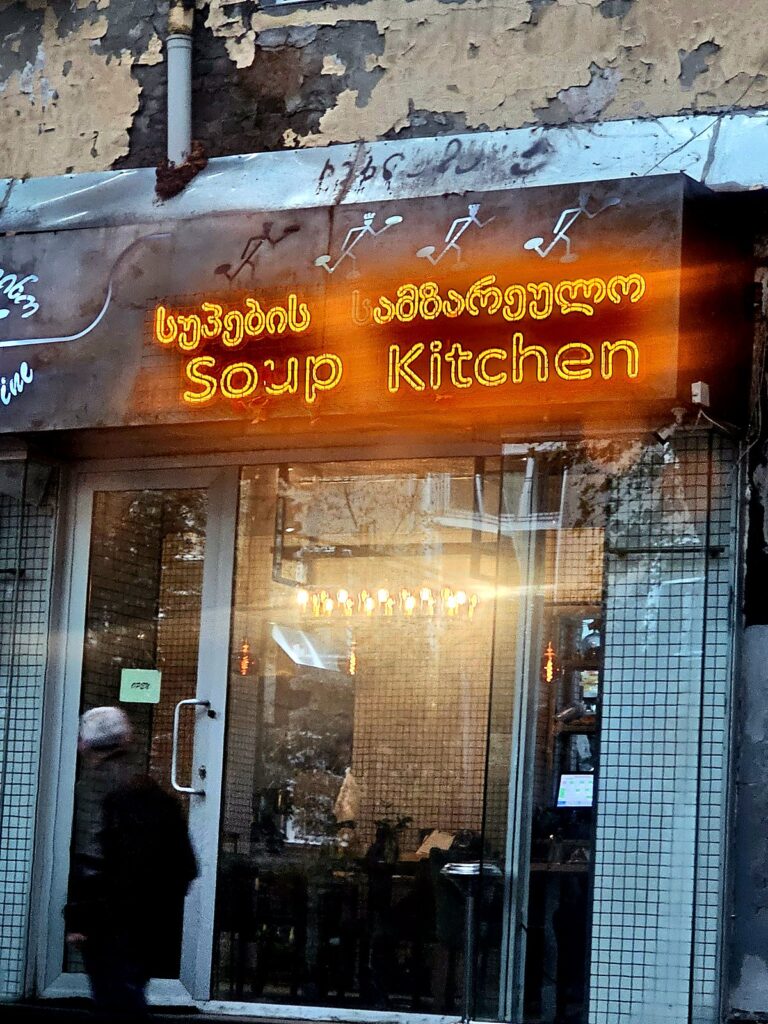
I tried all of these during my stay, and I also really enjoyed the soups.
Takeaway: You can buy great takeaway food from small shops and even supermarkets like Agrohub have a really good range of freshly made dishes. It’s a handy option when you’d rather eat at your accommodation and don’t feel like cooking.
Bakeries: There are bakeries everywhere, with so much baked fresh snacks including Lobian – a bread filled with a seasoned beans, which I had often. They’re ideal for a quick breakfast or a snack while you’re out exploring.
I’ve also found Tbilisi a good place to eat if you have dietary requirements. There’s a good range of vegetarian restaurants, and I’ve often been asked whether I have any allergies, which is reassuring if you need to be careful about what you eat.
Wine is a big part of Georgian life
Wine is a huge part of Georgian culture, and you’ll soon notice just how much it features in life in Tbilisi. Georgia has one of the world’s oldest winemaking traditions, dating back around 8,000 years, and wine is deeply woven into its food, hospitality and social traditions.
One thing that makes Georgian wine particularly interesting is the traditional method of making it in large clay vessels called qvevri, which are buried underground. The technique is so important to the country’s heritage that it has been recognised by UNESCO.
Wine here isn’t just about what’s in your glass; it’s part of the country’s history, hospitality and the way people come together.
Healthcare in Tbilisi for travellers with chronic health conditions
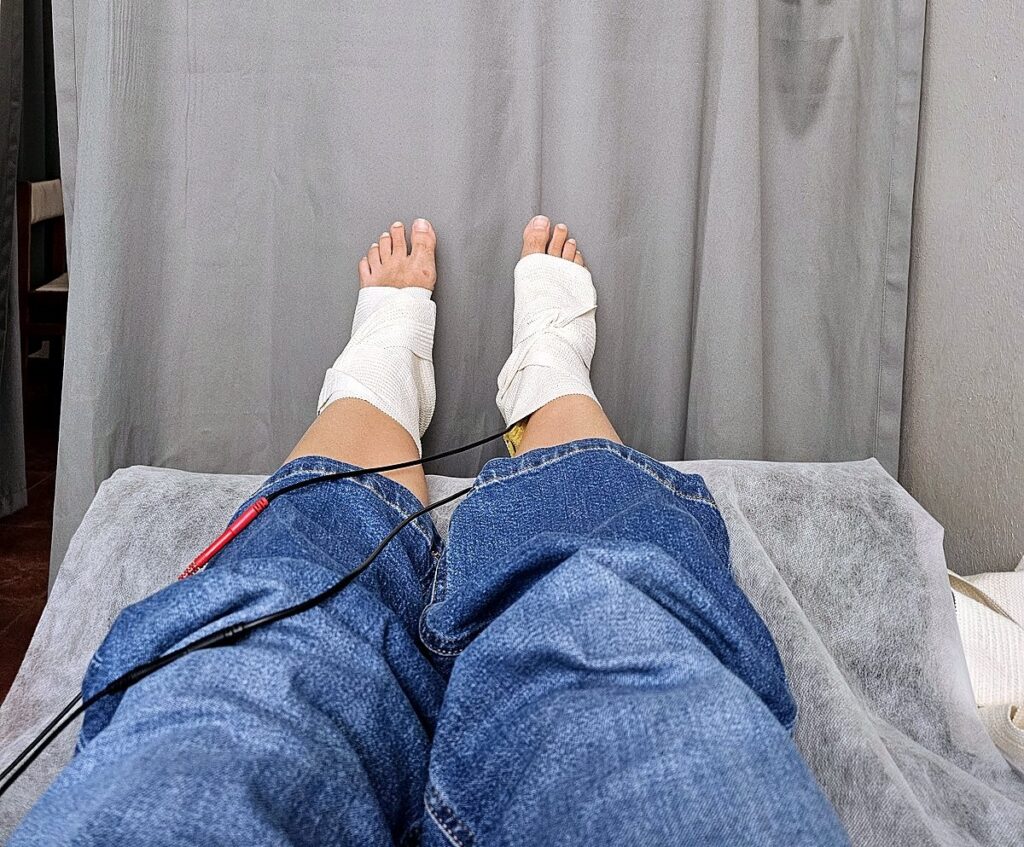
My time in Tbilisi has included more than exploring the city. I’ve also been dealing with posterior tibial tendonitis in my foot, which has led me to discover one of the city’s major wellbeing centres.
The Tbilisi Balneological Spa Resort is a large facility that brings together medical care, rehabilitation and spa treatments. I saw a doctor there, had an ultrasound straight away and was prescribed a course of treatment. I’ve also been attending regular physiotherapy at the centre.
Sometimes I wonder if my body deliberately throws these little niggles at me so I end up discovering the healthcare and wellbeing options in every place I visit! Joking aside, it’s been interesting to experience a centre that combines conventional medical care with complementary and wellbeing services.
Of course, this isn’t something every visitor will need, but travel doesn’t always happen when we’re feeling our best. Sometimes we’re managing an ongoing health condition, recovering from an injury or simply trying to look after ourselves while away from home.
I’ll be sharing more about my experience of accessing medical care and physiotherapy at the Tbilisi Balneological Spa Resort in a separate post, including what the process was like and what I learned along the way.
Getting around Tbilisi
Tbilisi is a city where the terrain deserves some thought. The hills, cobbled streets, uneven pavements and steps can make walking more demanding than distances on a map might suggest.
I’ve been getting around using a combination of buses, the metro and Bolt taxis, and each has its advantages.
Bolt taxis have been really useful. I recommend downloading the app as soon as you arrive. They’re inexpensive, easy to book through the app and the journeys are tracked, which is reassuring when travelling solo. They’re a good option when you don’t fancy tackling a steep hill or walking any further than you need to. The main drawback is the traffic, which can be pretty awful at times.
The metro is straightforward to use, and there are only two lines, so the network isn’t particularly complicated. However, I found one thing surprising – there aren’t always obvious signs telling you which station you’ve arrived at, and there’s no route map inside the train itself. You really need to listen out for your stop, which isn’t always easy when you’re unfamiliar with the place or don’t speak the language. It’s worth checking your route beforehand so you know when to get off.
Buses have been useful for reaching neighbourhoods that aren’t served by the metro. I found them easy to use, with route numbers clearly displayed on electronic signs. Just bear in mind that traffic can make journey times unpredictable.
For me, being able to mix different forms of transport has made it easier to explore Tbilisi without feeling that I have to walk everywhere. And that’s one of the benefits of travelling at your own pace, you can choose what works for you on any given day.
Slow travel in Tbilisi: how to enjoy it at your own pace
I haven’t visited every museum, church or attraction in Tbilisi, and that’s fine. I spent time in neighbourhoods I liked, enjoyed the architecture, ate well, visited the sulphur baths and found places where I’d happily spend more time. Staying in different parts of the city showed me how much the experience changes depending on where you base yourself.
Think about what you actually enjoy rather than following a checklist. You might prefer museums and historic buildings, cafés and shopping, or an afternoon in a park. You can do all of these things, but you don’t have to fit them into one visit.
For women travelling in midlife or over 50, anyone living with a chronic health condition or invisible illness, or simply anyone who doesn’t want a holiday to feel like hard work, that flexibility can make a real difference. Sometimes the best way to get to know a city is to give yourself time to enjoy it.
Quick Links for Tbilisi
- Free walking tours (you choose what to pay): use Free Tour
- Guided tours and experiences: use Viator or Get Your Guide
- Book accommodation: use booking.com
- Book Flights: I like to use Expedia
- Book buses and trains: Use Tre
- Best Insurance for pre-existing health conditions: See here
- Airport Transfers: click here to pre-book airport transfers
- Money: I use Wise for ease for transferring currencies.
- Stay Connected: get Airolo eSIM or buy a local sim card, they’re very cheap.
See all my travel resources here.
Tbilisi solo travel FAQ
Is Tbilisi safe for solo female travellers? Yes. Tbilisi is generally regarded as a very safe city, crime against visitors is low, and I felt comfortable staying six weeks on my own. Use Bolt rather than street taxis, stick to busy, well-lit streets after dark and avoid demonstrations.
Is Tbilisi hilly or hard to walk? In parts, yes. Hills, cobbled streets, uneven pavements and steps can make walking more demanding than distances on a map suggest, especially in the Old Town and Sololaki. Bolt taxis, buses and the metro can save your energy.
How long should you stay in Tbilisi? Tbilisi is good for a long weekend and beyond. I stayed six weeks and was still finding neighbourhoods, cafés and places I wanted to return to. Tbilisi also attracts digital nomads on long stays, helped by Georgia’s generous visa length.
What is the best area to stay in Tbilisi for a first visit? The Old Town is a good starting point for historic streets and the sulphur-bath district. Chugureti and Vera or also good choices and Vake is a calmer, residential option.
What is the weather like in Tbilisi, and when is the best time to visit? Spring (April to May) and early autumn (September to October) are generally the most comfortable, with mild days that suit sightseeing. I stayed late September to end of October, rain and colder weather started late October.
Summers are hot, with highs around 30°C in July and August, and winters are cold, with nights often around or below freezing. If heat or cold affects your health, spring and autumn are the easiest months to plan around.
The 50+ Solo Woman’s Checklist: Solo Your Own Way
There’s no right way to travel alone after 50. Some of us want mountains and long walks, some of us want slow mornings and good chairs, and plenty of us want both on different days. Take what fits, skip what doesn’t.
- Your room is part of the trip. Pick somewhere you’ll love coming back to, but also check the practical details: air conditioning, a quiet street, blackout curtains, and a lift or ground floor if stairs matter to you.
- Choose your pace each morning. Steady, balanced or adventurous, and you’re allowed to change your mind. Plan one main thing a day, and treat everything else as a bonus.
- You know what you like. Skip the “must-sees” that don’t appeal to you. It’s so easy to feel you should do everything, why? Nobody’s keeping score.
- Shoes beat everything. Cobbles and steep Old Town streets are hard on knees, hips and ankles, however fit you are. Bring broken-in shoes with grip, and a second pair to rotate.
- Pack layers you can shed in seconds. Tbilisi swings between warm streets and cool interiors, so a light scarf is useful.
- Carry your own “just in case” kit. Reading glasses for dim menus, rehydration salts, blister plasters, a small torch for uneven streets, and any regular medication in its original packaging with a doctor’s letter. Hiking poles and a daypack, if that’s your style.
- Build in one empty day for every three. No plans, no guilt. You’ll thank yourself.
- Say your limits out loud. Asking for a seat, a slower pace or a different table is completely normal, and again nobody else cares.
However you travel, it’s your trip.
Join the Orchids to Olives monthly newsletter for gentle travel inspiration
For restorative destinations and thoughtful solo travel ideas if you’re navigating low energy, recovery, or chronic illness.
Wellbeing Places
Explore all Wellbeing Place Guides
Gentle Solo Travel guides
Solo Travel to Morocco with a Chronic Illness: A Midlife Woman’s Guide
Solo Travel to Penang: A Safe, Affordable Island for Midlife Women with Chronic Illness
Travelling solo with chronic health conditions
Travelling Solo with Functional Neurological Disorder (FND): From Fear to Freedom
Solo Travel with Chronic Illness: How to Reclaim Yourself at Midlife
Orchids to Olives
Journeys of self-discovery, wisdom, healing and friendship