Best Barefoot Shoes for Travel with Chronic Illness: Why I Love Vivo Barefoot
Travel in Comfort: Why Barefoot Shoes Are Perfect for Chronic Illness and Everyday Adventures
Give yourself the gift of naturally happy feet
Travel is freedom, and freedom begins at your feet.
Barefoot shoes turn walking into effortless exploration.
Travel Light, Travel Easy with Barefoot Shoes
Travelling means making choices that support comfort, energy, and enjoyment. From how you pace your days to the accommodation you pick, every decision shapes how much you can savour your trip.
And one of the most important choices, no matter who you are, is what you wear on your feet.
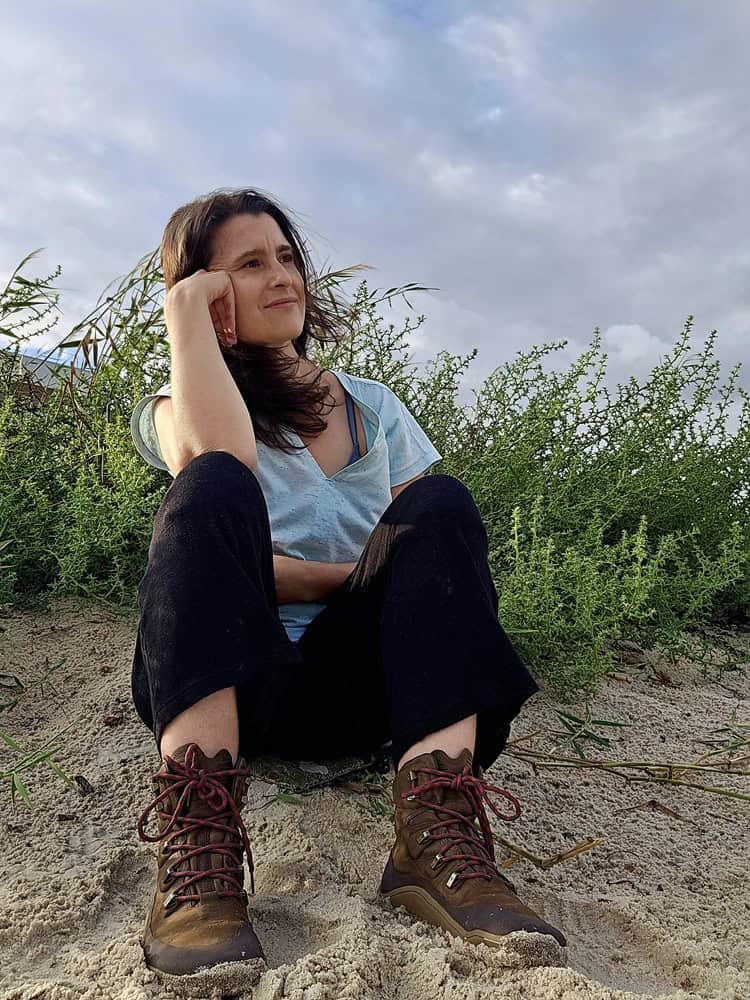
If you live with a chronic illness, those choices take on even more weight. Comfort and energy conservation become essential — the right shoes can mean the difference between enjoying your adventures or feeling drained too soon.
I’ve learned the hard way that the wrong shoes can leave me short on energy or struggling to enjoy even simple experiences. That’s why switching to barefoot shoes for travel has been such a game-changer.
My personal go-tos are Vivo Barefoot Trackers for longer hikes and city exploration, and Purestep trainers for lighter, everyday wear.
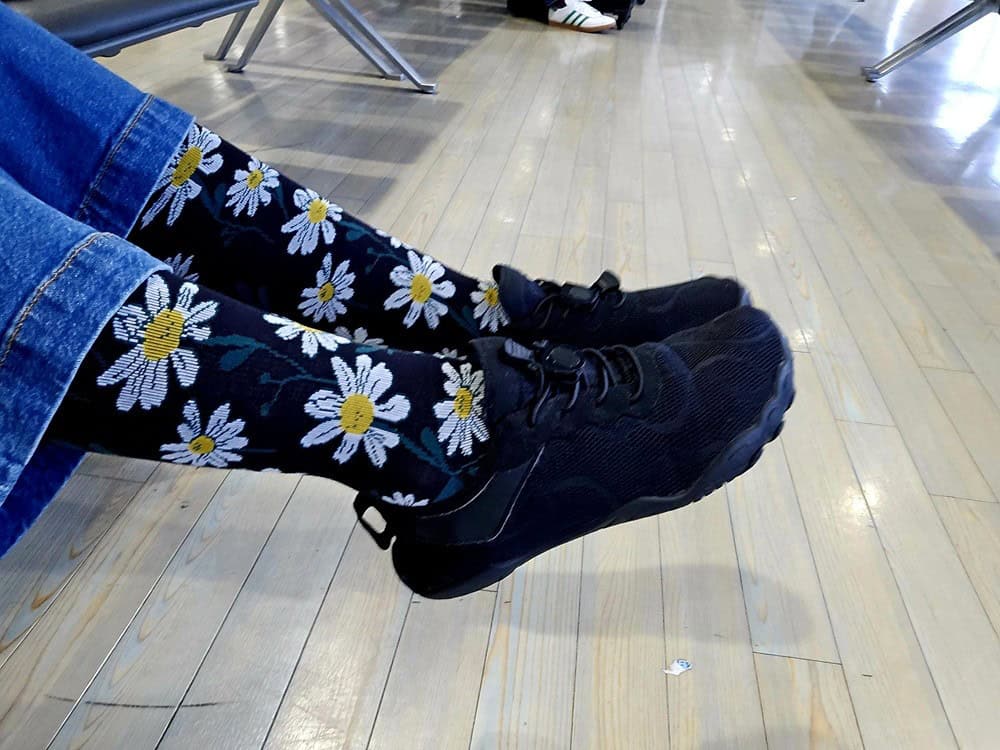
My Purestep trainers are also brilliant for flights — they’re like wearing slippers!
For travellers with chronic illness — or anyone who wants to feel comfortable, supported, and energized while exploring — barefoot shoes can make a huge difference.
In this post, I’ll share why barefoot shoes might be a good fit if you’re a traveller with a chronic illness (and really, anyone who wants to feel more comfortable and connected while they travel) — plus some practical tips if you’re considering making the switch.
Medical Disclaimer: Barefoot Shoes Aren’t for Everyone
Barefoot shoes have been great for me, but they aren’t a magic fix and not for everyone.
Some chronic illnesses (especially if you have existing foot or structural problems) may mean extra support, cushioning, or stability is essential — so it’s worth listening to your body and checking with a professional before switching.
The Challenges of Travelling with Chronic Illness
Travelling with health issues may mean navigating:
- Fatigue and limited stamina
- Joint or muscle pain
- Swelling, circulation issues, or foot sensitivity
- The need to pace activities and avoid overexertion
- Shoes that are too heavy, stiff, or restrictive can make all of these worse. When you’re managing your energy carefully, every step counts — which is why choosing the right travel footwear matters so much.
My Personal Challenges of Travelling with FND
Living with Functional Neurological Disorder (FND) has made me much more aware of walking, as it’s my legs that have been most affected.
For me, the main challenges have been:
- Balance issues — I often felt like I was about to fall over and very disconnected from the ground.
- Tripping — in regular shoes, I’d catch my foot constantly.
- Heavy legs — my left leg feels like I’ve run a marathon (without doing anything)
Because of this, travel shoes are everything.
In hot weather, my go-to has always been Birkenstocks. I feel happy and supported in them, but they’re obviously not practical all the time. So, I decided to try barefoot shoes — and honestly, they’ve transformed my walking.
I no longer feel like I’m going to trip every few steps and I feel connected to the ground which has really helped my issues around balance, and while the heaviness in my legs hasn’t disappeared, the fact that barefoot shoes are so light makes a difference. This has really helped my overall confidence.
Why Barefoot Shoes May Help Some Travellers with Chronic Illness
1. Natural Foot Movement
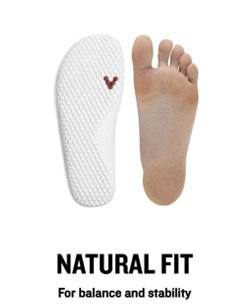
Barefoot shoes let your feet move freely, rather than being squeezed or restricted by traditional footwear. This supports a healthy walking pattern, which can improve posture, reduce pressure points, and help prevent pain flare-ups.
Feet are the foundation for the whole body — if they’re not strong and flexible, it affects everything up the chain (legs, hips, and back).
Our feet don’t just carry us when we walk. They help us balance, absorb impact, and adjust to different surfaces. But they can only do all this if we give them the space and freedom to move.
Normal shoes often limit this potential – thick soles, narrow toe boxes, raised heels, and excessive cushioning may feel comfortable but can restrict movement, weaken muscles, and reduce your feet’s natural sensitivity.
We often think that trainers are the answer — they feel lovely, but most are too narrow and heavily cushioned, which isn’t necessarily the best for your feet!
Barefoot shoes, in contrast, let your feet spread, flex, and feel the ground, encouraging better posture, balance, and natural walking — essential when fatigue or pain limits your energy.
➡️ Learn more about the postural benefits here
2. Lightweight & Packable
Traditional shoes can weigh you down — literally. Barefoot shoes are feather-light and pack nicely into your luggage.
3. Versatile & Travel-Friendly
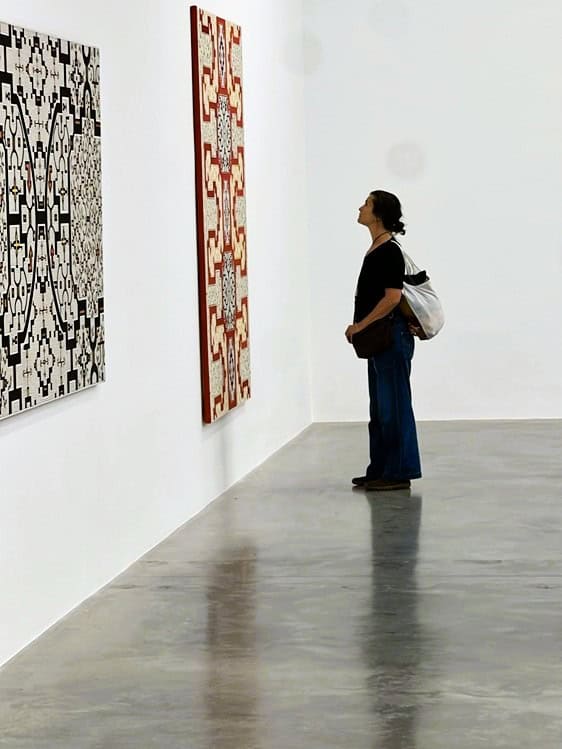
From airport days to cobbled streets to nature walks, barefoot shoes adapt easily.
Stylish enough for an urban espresso, strong enough for a mountain path — barefoot shoes bridge both worlds.
I wear mine everywhere…!

4. Breathable Comfort
Most barefoot shoes are made with breathable materials — especially useful when travelling to warm climates where swelling or overheating can trigger discomfort.
5. Energy Conservation
Because they’re so light and flexible, barefoot shoes reduce effort with every step. For people managing fatigue, this can make a real difference over long travel days.
6. Sustainable & Eco-Friendly
Many barefoot brands, like Vivo Barefoot, prioritise sustainability. They use vegan, recycled, or responsibly sourced materials, and focus on ethical manufacturing. Choosing sustainable barefoot shoes means your travel gear is light on your feet and lighter on the planet.
My Experience Travelling with Barefoot Shoes & Chronic Illness
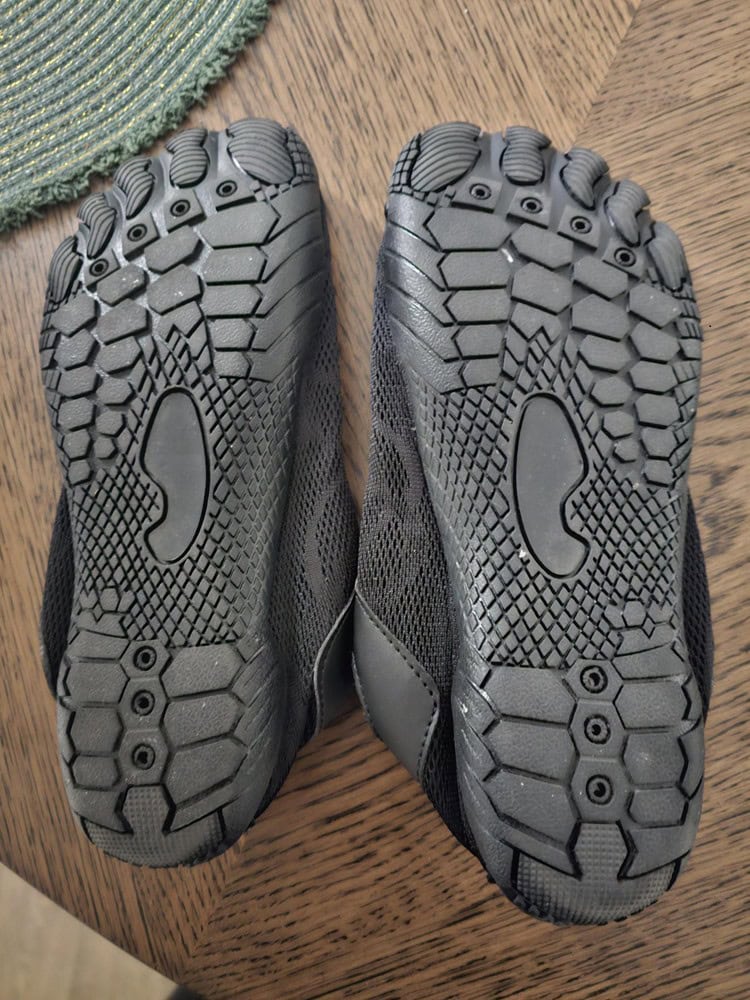
My 1st Purchase: Purestep Ventura Flex
I started my barefoot journey with a pair of Purestep Ventura Flex barefoot trainers. They’re incredibly lightweight — perfect for airports and city streets. I often wear them on flights and hardly notice I have shoes on at all. The only downside? They’re not waterproof, so they don’t make the best all-rounders.
In hindsight, I didn’t do much research before I bought my first pair of barefoots, I just wanted to try them! They are perfect for summer – light and airy, but not an all weather shoe.
Purestep do a range of other styles to suit different weather conditions.
Purestep have some great offers e.g. buy 2 for 1 and heavily discounted seasonal sales.
➡️ Learn more about Purestep barefoot shoes here.
But my real loves are the Vivo Barefoot Trackers….
Vivo Barefoot Shoes for Travel & Chronic Illness: Why I recommend them
Vivo Barefoot have a great range of styles from walking boots, trainers and sandals. They look great and feel great.
Unlike my first impulse buy with Purestep, I really took my time before choosing Vivo. I wanted a pair of lightweight hiking boots I could rely on for travel — something that would hold up in any weather. After trying a few styles, the Trackers stood out instantly. They felt like they were made for me!
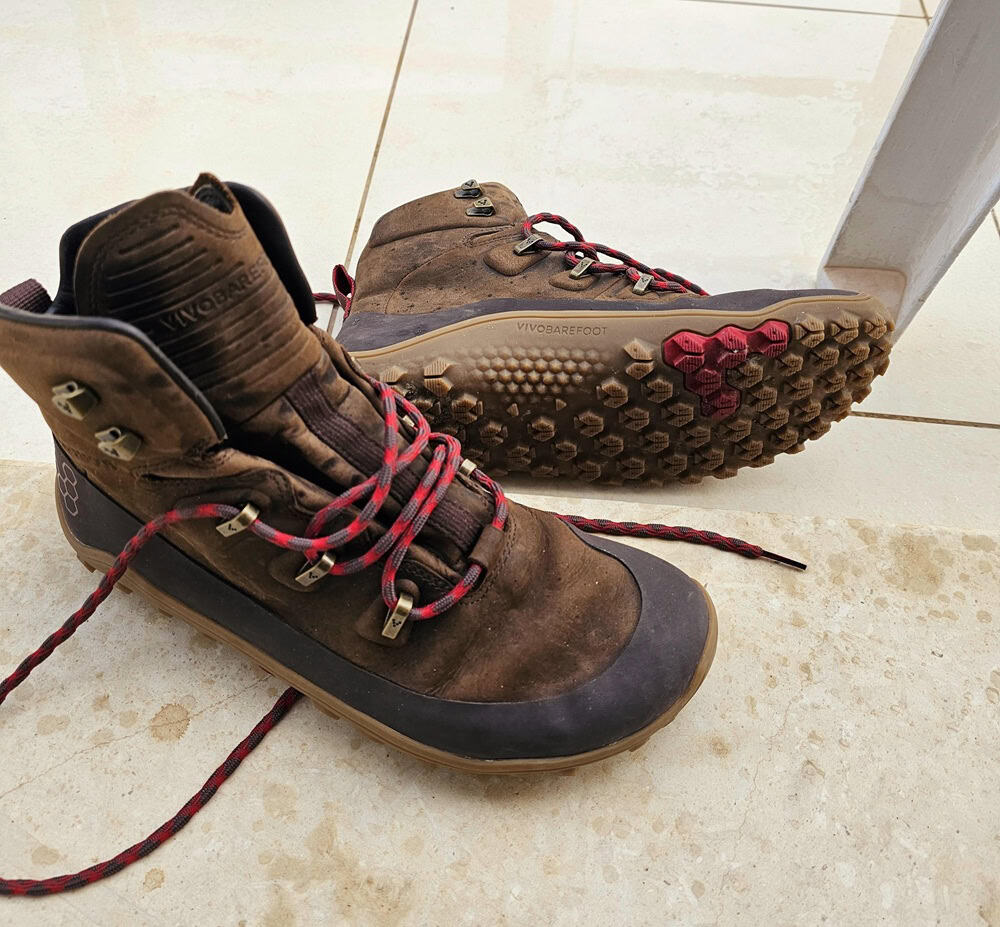
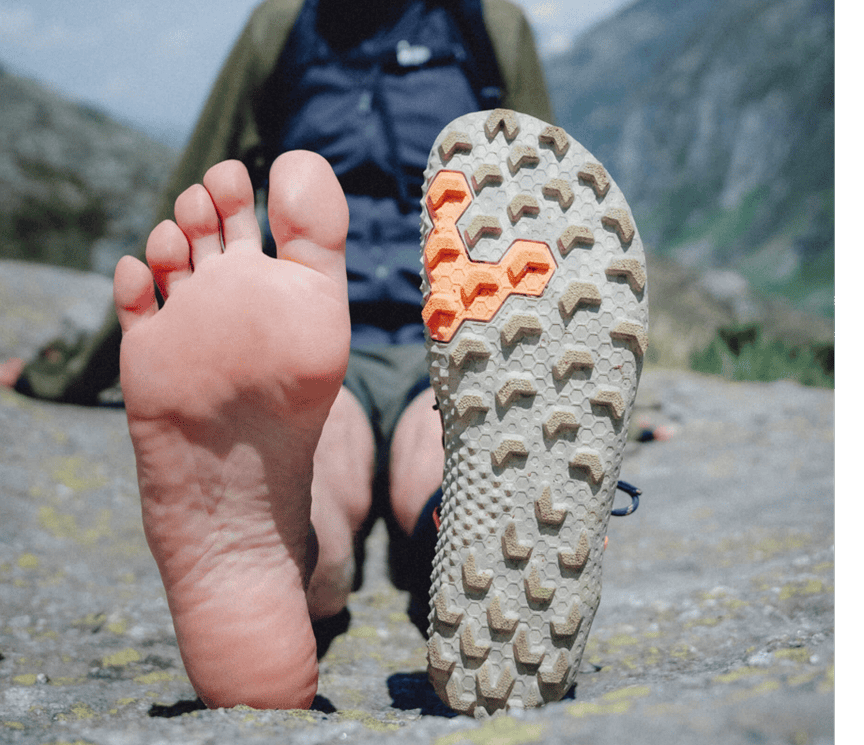
My Vivo Barefoot Trackers are my go-to shoes for longer walks, hikes, and any trip where I need extra support and grip. They still offer that natural barefoot feel, but with sturdier construction that adapts well to different terrains.
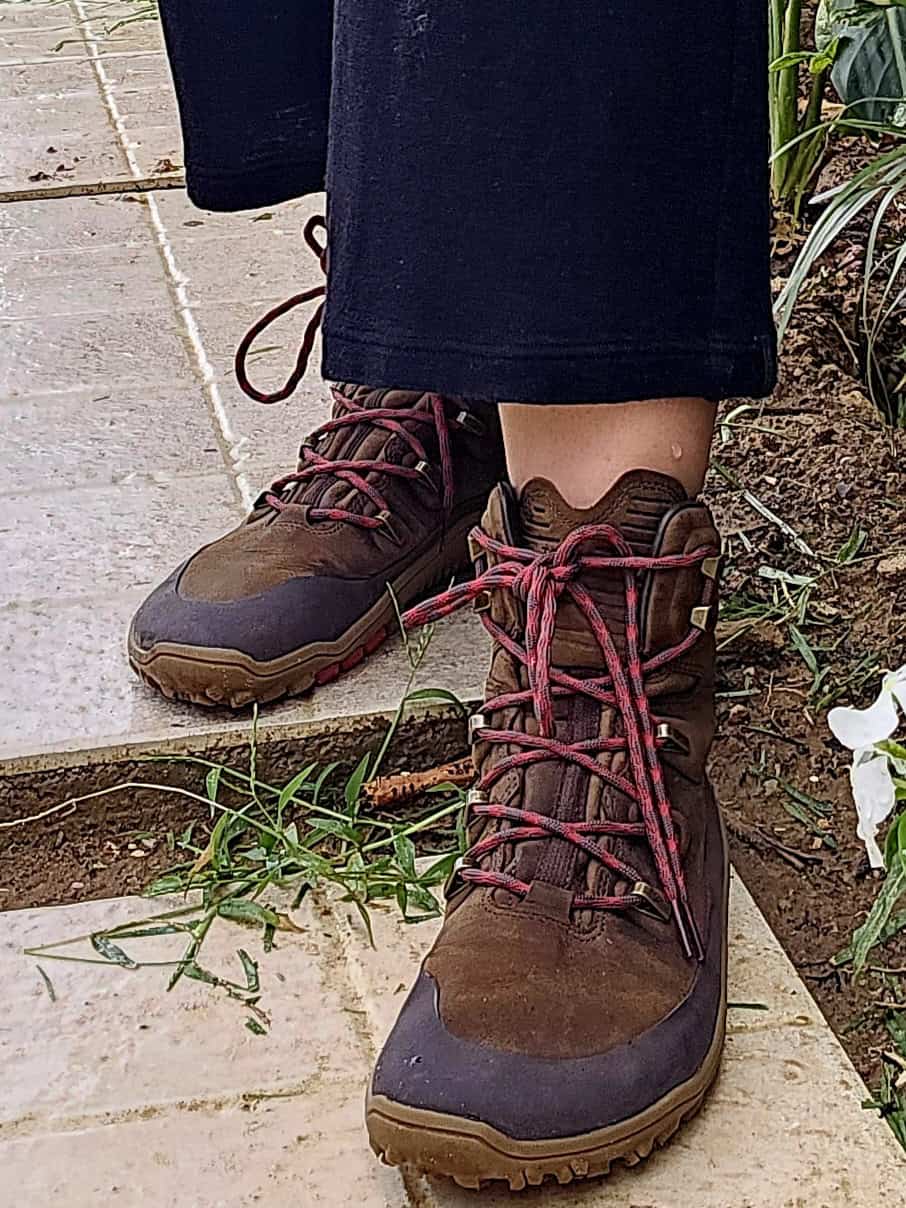
I feel grounded and stable in them, and they’ve completely transformed my walking experience — especially on days when my legs feel heavy or my balance is tricky. I love wearing them and they look great with everything from jeans to dresses.
Eco-Friendly — Vivo Barefoot shoes are made with sustainable materials, so they’re kinder to the planet as well as your feet. Read more about their sustainability focus here.
100-Day Guarantee (even if you’ve worn them) — One of the biggest plus points is Vivo’s 100-day money-back guarantee. You can try them, wear them, and if they don’t work for you, send them back — a low-risk way to see if barefoot shoes suit your needs.
While they aren’t the cheapest option, their comfort, durability, and versatility make them worth every penny.
The 100 day guarantee gave me peace of mind when I first tried them, and now I can’t imagine travelling without them.
I wear my Trackers constantly, from city streets to countryside trails.
➡️ Explore Vivo Barefoot here.
Revivo – the budget friendly revived Vivo Barefoot
I love this concept!
If you’re looking for a more affordable and more sustainable option, Revivo is worth exploring.
Revivo sell second-hand and reconditioned Vivo Barefoot shoes, giving you the chance to enjoy the barefoot experience at a lower price — and with less environmental impact.
You’ll find different categories depending on the condition of the shoes, so you can choose what best fits your budget.
Note: Revivo purchases have a normal 28 day refund policy, not the Vivo 100-day returns policy, so make sure you’re confident in your choice before ordering.
➡️ Explore Revivo for pre-loved Vivo shoes here
Other Barefoot Shoe Brands
While my personal favourite is Vivo Barefoot, there are several other barefoot brands on the market. While I haven’t tried all of them personally, they offer a range of styles and definitely worth exploring:
| Brand | Price | Durability | Best For |
| Vivo Barefoot | £££ | High | Hiking, city exploring, everyday travel |
| Purestep | £ | Moderate | Airports, everyday casual wear |
| Merrell | ££ | High | Hiking, trail walking |
| Xero Shoes | ££ | Moderate | Casual walking, light hiking |
| Lems | £££ | High | Travel, everyday wear |
| Revivo | ££ | Varies | Hiking, everyday wear |
| Bohempia | ££ | Moderate | Everyday wear, casual travel |
| El Naturalista | £££ | High | Travel, city walks, casual hiking |
| Origo Shoes | ££ | Moderate | Everyday wear, light outdoor use |
Note: These are included for comparison.
Tips for Travelling with Barefoot Shoes (especially if you have a chronic health condition)
- Break them in before your trip — Give your body time to adjust to the barefoot style so you know you can walk comfortably.
- Rotate your footwear — bring a cushioned sandal or trainer as a backup for days when you need extra support.
- Pack insoles — On days when your body needs more cushioning, insoles can make a big difference.
- Listen to your body — Barefoot shoes encourage natural movement, but take it slow if you’re new to them. Pay attention to how your feet and legs feel.
- Know your body — barefoot shoes aren’t suitable for every chronic condition. For some people, a supportive trainer or orthopaedic shoe may work better.

Final Thoughts on Barefoot Shoes for Travel
Travelling with a chronic illness always comes with its challenges, but the right shoes can make your journey gentler and far more enjoyable. For me, barefoot shoes have meant more energy, and the freedom to explore without being weighed down — literally.
If you’re curious about trying barefoot shoes, I highly recommend:
➡️ Shop Revivo (pre-loved Vivo)
➡️ Shop Purestep
Whether you’re exploring cobbled streets, hiking trails, or navigating airports, barefoot shoes can help you travel more lightly — for both your body and the planet.
Medical Disclaimer: Disclaimer: I’m not a medical professional — this post is based on my personal experiences travelling with chronic illness. Always listen to your own body and seek medical advice if you’re unsure.
Frequently Asked Questions (FAQs)
Are barefoot shoes good for chronic illness?
They can be — but it really depends on your condition. Some people find barefoot shoes reduce fatigue, improve balance, and feel lighter and less restrictive than traditional shoes. Others may need more cushioning, stability, or orthotic support. The best approach is to try them gradually and, if you’re unsure, check with a healthcare professional before making the switch.
Taking advantage of the Vivo Barefoot 100 day guarantee is a great way to see if they work for you.
Are Barefoot shoes comfortable for flights?
In my experience, yes. Barefoot shoes are light, breathable, and flexible, which makes them easy to wear for long stretches of time — including airport days and flights, when swelling and stiffness can be an issue. I personally wear PureStep trainers for flights.
Why choose sustainable barefoot shoes for travel?
Sustainable barefoot shoes, like Vivo Barefoot, are designed with eco-friendly materials and ethical production in mind. They’re lighter on the planet as well as your feet. Choosing sustainable shoes means supporting recycled or vegan materials and responsible manufacturing,
How do barefoot shoes help with fatigue and balance issues?
Barefoot shoes encourage your feet to move more naturally, which can improve posture and stability. Because they’re so lightweight, each step requires less effort — a bonus if fatigue is one of your challenges. For me, they’ve also reduced the feeling of tripping or being unsteady, which makes exploring much less stressful. That said, they won’t suit everyone, so listen to your body.
Blogs in the making
Coming soon: interviews with solo travellers who have chronic health issues and much more…
Sign up for my monthly newsletter
Related Blog Posts: Chronic Illness Travel
Chronic Illness Travel Insurance: Comparing Staysure & Avanti for Pre-Existing Conditions
Travelling Solo with Functional Neurological Disorder (FND): From Fear to Freedom
Solo Travel with Chronic Illness: How to Reclaim Yourself at Midlife
The Unexpected Benefits of Travelling Solo with a Chronic Health Condition
A Destination Checklist for Women Traveling Solo with a Chronic Health Condition
On being a Digital Nomad with MS: An inspiring interview with Monica Lynne
Sri Lanka for Women with Chronic Illness: A Calm, Restorative Destination for Midlife Solo Travellers
My descent into darkness and healing
Are you struggling to decide on a destination for your solo adventure?
Let me help you: download my supportive Destination Checklist
Traveling solo with a chronic condition can be incredibly empowering – but only when it aligns with your current health capacity and limits.
➡️ Download my Destination Checklist to help with your personal reflection and planning.
Let’s keep in touch.
Join me for all the latest blog posts, reviews and updates.
Orchids to Olives
Journeys of self-discovery, wisdom, healing and friendship