Sri Lanka for Women with Chronic Illness: A Calm, Restorative Destination for Midlife Solo Travellers
Discover the Restorative Power of Sri Lanka for Women Living with Chronic Conditions
A Place That Feels Like a Soft Landing
Last updated: February 2026
Are you looking for a travel destination that supports your health?
Is it possible that rest and the glorious sense of freedom live in the same destination?
The slow, nourishing rhythm of Sri Lanka might be just the tonic you need.
Traveling solo as a midlife woman – especially if you’re managing a chronic health condition (and perhaps navigating menopause too) – doesn’t have to be daunting. With the right destination, it can actually feel deeply empowering, restorative, and freeing.
Sri Lanka might not be the first place that comes to mind – but perhaps it deserves a spot on your list. Whether you’re living with autoimmune conditions, chronic fatigue, food sensitivities, or hormonal shifts, Sri Lanka offers a surprisingly supportive, nourishing, and easy-to-adapt environment for solo female travellers.
The Purpose of this Blog Post
This is not a to do list of things you can do in Sri Lanka.
My aim is to give you a taste of what Sri Lanka offers and how it can support a midlife solo female traveller, who may have chronic health considerations and fluctuating energy.
Most importantly, I hope it will help give you clarity on whether Sri Lanka is the right place for you.
If you have any questions, you are welcome to contact me. I know how it feels to step into the unknown with a chronic health condition.
You can also download the free reflective Sri Lanka Travel Guide to go with this blog post (scroll further for the download).
Disclaimer: This guide is intended to support and inspire your solo travel planning with a chronic health condition but does not replace professional medical advice, diagnosis, or treatment. I am not a medical professional. Always consult your healthcare provider before making travel plans, especially regarding your health, medications, and any necessary vaccinations or travel clearances. Your safety and wellbeing are the highest priority.
My Experience: six trips, one safe haven: traveling solo with a chronic neurological condition
Why I chose Sri Lanka Again, Again…
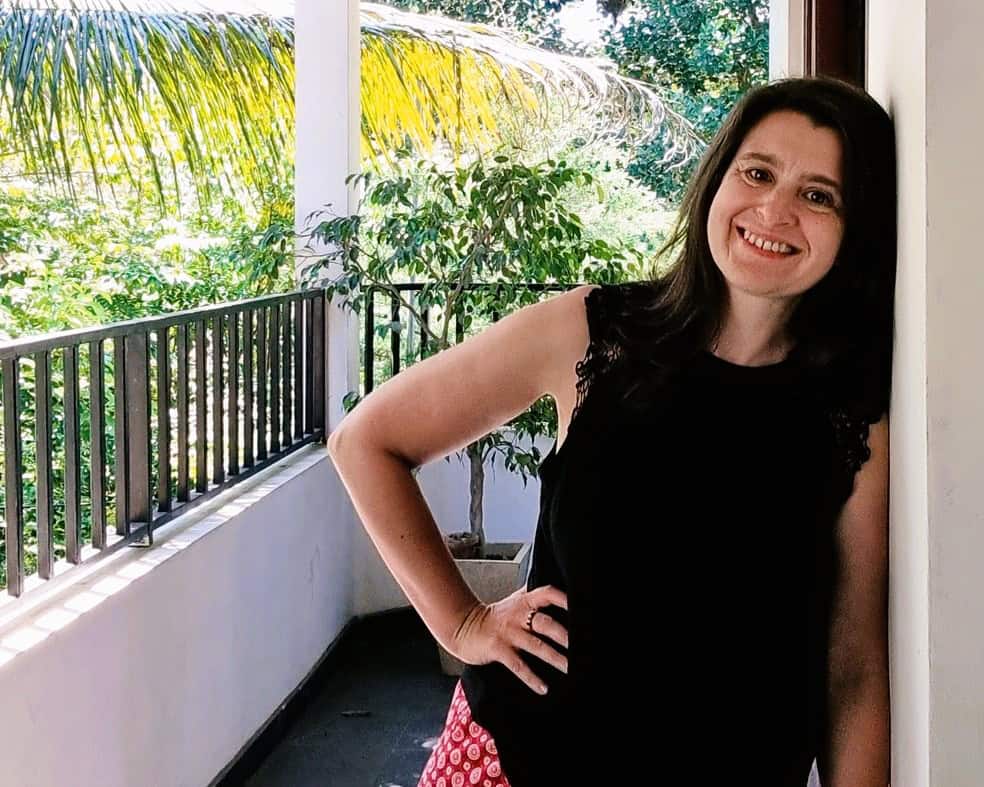
I’ve spent a lot of time in Sri Lanka—six trips so far (recently updated to 7!), ranging from a few weeks to several months. My earlier visits included volunteering with my son, while more recently in my 50s I’ve taken longer solo stays focused on rest, Ayurvedic retreats, and supporting my own health.
On those more recent trips, I was managing neurological and digestive challenges, and I can honestly say that Sri Lanka is one of my go to comfort places.
It’s a place where I feel safe, calm, and restored. There’s something gentle and grounding about this little island that makes it uniquely well-suited to those with health needs. You can take life at your own pace, access both holistic and medical care, and be met with kindness, ease, and quiet respect—especially as a solo woman over 50.
🌸Sri Lanka is a destination that’s kind to the body, calming for the mind, and flexible enough to fit your personal rhythms.
A Compact Island That Feels Limitless
Perfect for solo women
Sri Lanka may be small, but it’s incredibly diverse. You can experience golden beaches, misty mountains, tea plantations, ancient cities, lush rainforests, and wildlife-rich national parks—all within just a few hours of travel between each. This means you don’t have to choose between staying in one place to conserve energy or exploring the country: you can do both.
Travel days are short, yet the scenery and climate shift dramatically. That’s ideal for those of us who managing a chronic health condition and menopause, may need frequent rest, or who might have good days and bad days.
A Flexible Travel Pace and Style: Ideal for Women Managing Chronic Illness
Shaping travel around your health needs
Whether you’re seeking tranquillity or stimulation, you’ll find it in Sri Lanka. You can stay in a wellness-focused retreat by the beach or design your own itinerary that lets you move around the island without exhaustion. Accommodation ranges from luxury eco-lodges to budget guesthouses with home-cooked meals and personal touches.

Download the free Sri Lanka Travel Companion
If this post speaks to you, you can download the pdf copy with reflective questions.
This will help you pause and gently ask… is this place right for me?
A thoughtful guide for midlife women considering Sri Lanka — especially if you’re navigating chronic illness, menopause, or travelling solo.
This article will give you a taste of why Sri Lanka may suit your travel and health needs
It includes:
- The Diverse Landscapes of Sri Lanka – perfect for solo women seeking a gentler way of being
- Understanding Sri Lanka’s Climate: An Important Consideration for Chronic Health Travel
- Comfortable Accommodation for Every Body & Budget
- Language: English is Widely Spoken
- Transport – Getting Around: Surprisingly Easy and Flexible
- Accessible, Reassuring Private Healthcare
- Ayurvedic Medicine: A Wellness Culture Rooted in Traditional Medicine
- Nourishing the Body: Why Sri Lankan Cuisine May Support Sensitive Diets and Wellness
- Safe and Welcoming for Midlife Solo Women Travellers
- Community and Emotional Support
- A Wellness Culture That Feels Natural
- Buddhism: A Quiet Presence in Daily Life
- Important Considerations
1. The Diverse Landscapes of Sri Lanka
Perfect for Solo Women Travelers Seeking a Gentler way of being
Let me tell you a little about the very varied landscapes of Sri Lanka making it perfect for midlife women seeking a restorative and gentle travel experience.
The Coastline: Simply Stunning
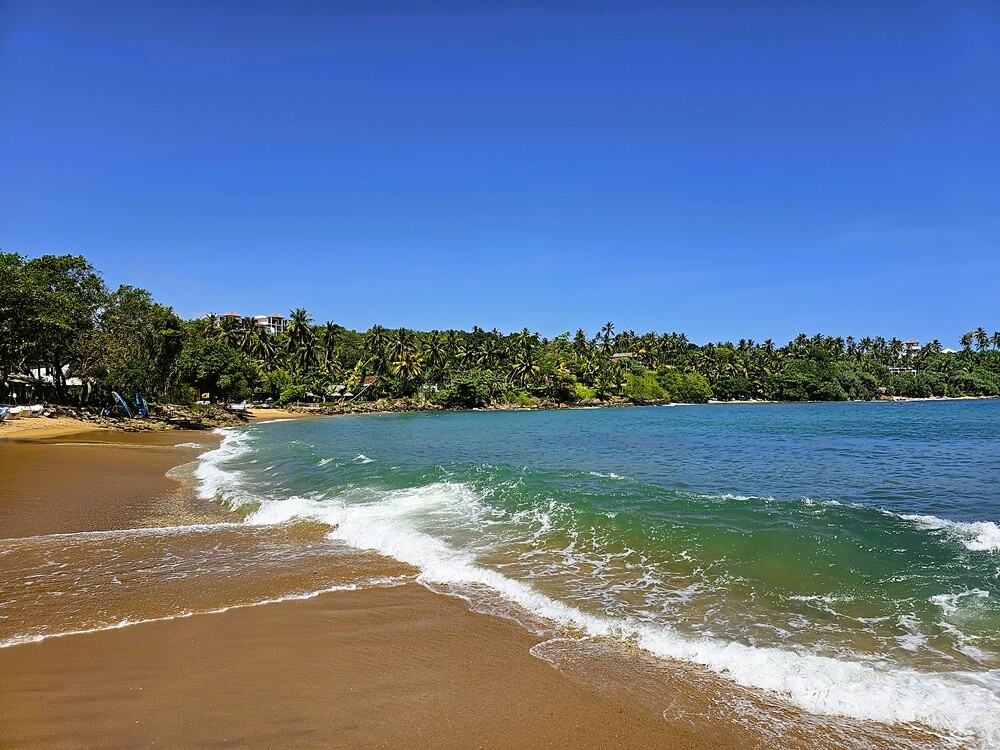
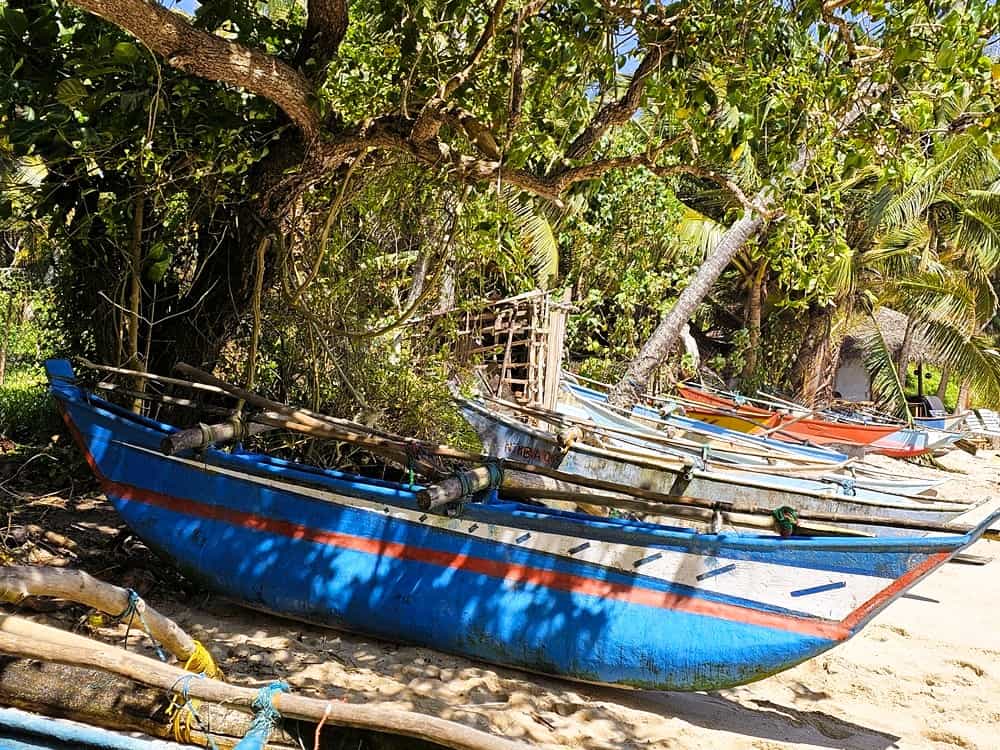
Sri Lanka’s coastline boasts golden sands, palm fringed coves, and crystal clear turquoise waters – a natural haven where beauty and healing come together. While some beaches have strong currents that may be challenging for travellers managing fatigue or mobility issues, there are plenty of pockets of calm, safe waters perfect for gentle swimming.
The coast offers many low impact, nature based activities ideal for solo women travellers with chronic health conditions, including snorkelling near vibrant coral reefs, turtle watching, and peaceful sunset strolls along coconut-lined shores. If you’re feeling more energetic, beginner surf lessons are available in many locations.
Whether you’re dipping your toes or simply soaking in the ocean air, the Sri Lankan coast offers a grounding and restorative experience.
Tangalle: A Tranquil Coastal Retreat for Restorative Solo Travel
There is of course a long diverse coastline to explore. However, I’ve recently fallen in love with Tangalle.
It’s located on Sri Lanka’s southwest coast and offers a tranquil and less tourist-filled coastline that feels safe and deeply restorative. Unlike the bustling resorts of Mirissa or Unawatuna, Tangalle’s beaches are quiet, and uncrowded, surrounded by lush greenery and vibrant birdlife (rather than nightlife).
The slow, gentle rhythm of daily life here invites you to unwind fully, immersed in the natural beauty and local culture without the noise and rush of more popular tourist hubs. For anyone seeking a peaceful place to be, Tangalle and nearby coastal spots like Mawella and Talalla provide a serene, grounding escape.
Galle Fort: A Walkable, Soul Soothing City for Women Seeking Rest and Beauty
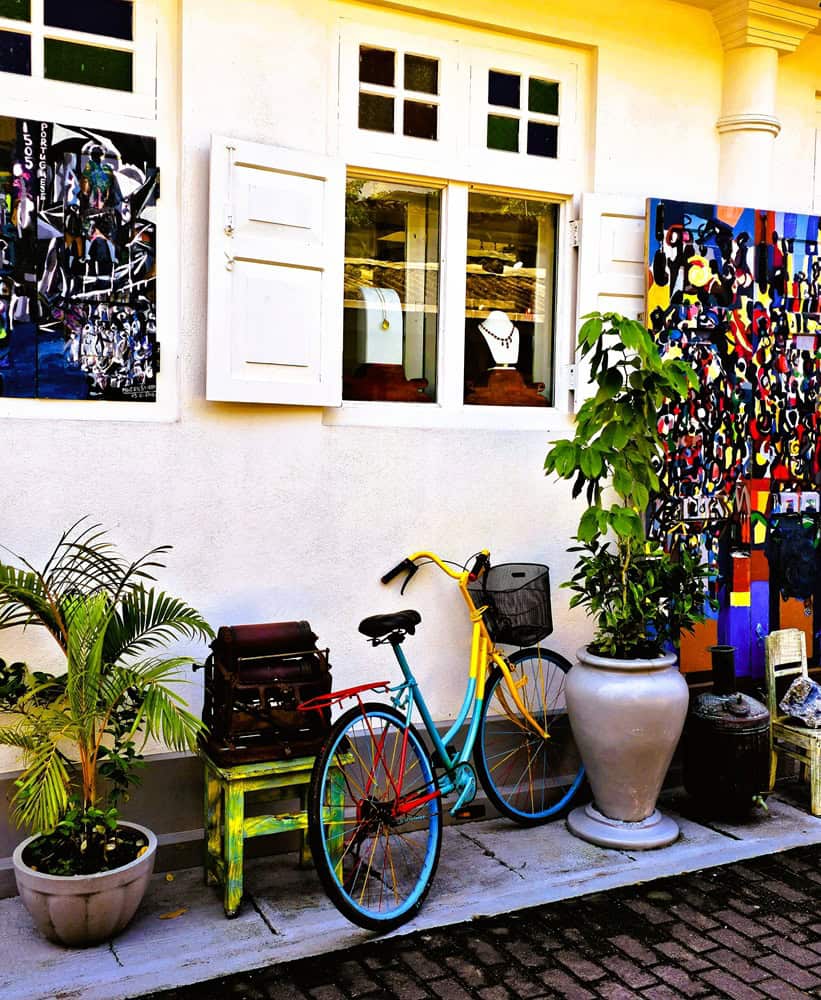
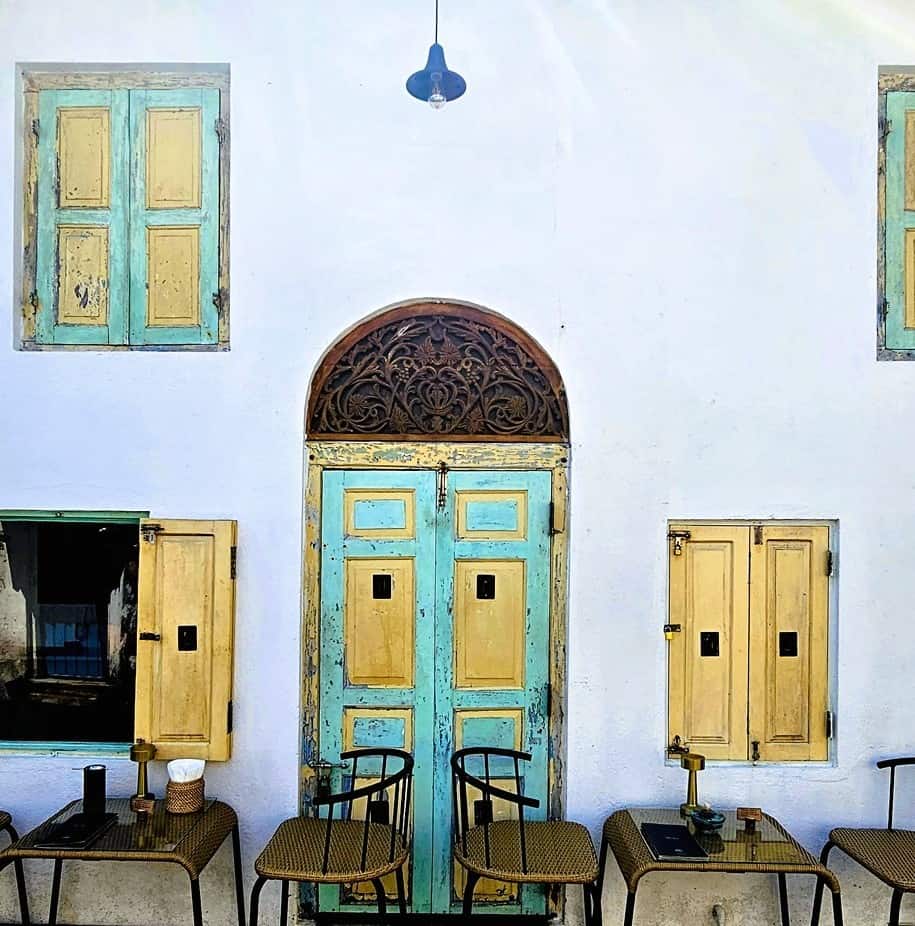
The historic walled city of Galle Fort feels like a true haven – a graceful blend of old world charm and contemporary comforts.
The fort area is compact, peaceful, gorgeously photogenic and endlessly walkable, making it ideal for solo women dealing with fatigue, joint pain, or simply prefer to explore at a gentler pace.
Having stayed in and around Galle Fort multiple times, I always recommend it to fellow travellers, and everyone who visits falls in love with its unique charm!
Why Galle Feels Restorative for Women with Chronic Illness
- UNESCO World Heritage Site: Cobblestone streets, colonial era architecture, and sweeping coastal ramparts create a calming, almost European vibe.
- Walkable and Low-Stress: few vehicles are allowed inside the fort walls, making it peaceful and easy to navigate.
- Health-Conscious Dining: there’s a variety of cafés and restaurants offering gluten free, dairy free, vegetarian, and other allergy friendly options – perfect if you’re managing food sensitivities or eating for energy. There’s also lots of western food options here.
- Boutique Shops and Artisanal Crafts: unique galleries, shops, and thoughtfully designed hotels are nestled within historic buildings. Shopping and browsing is a pleasure.
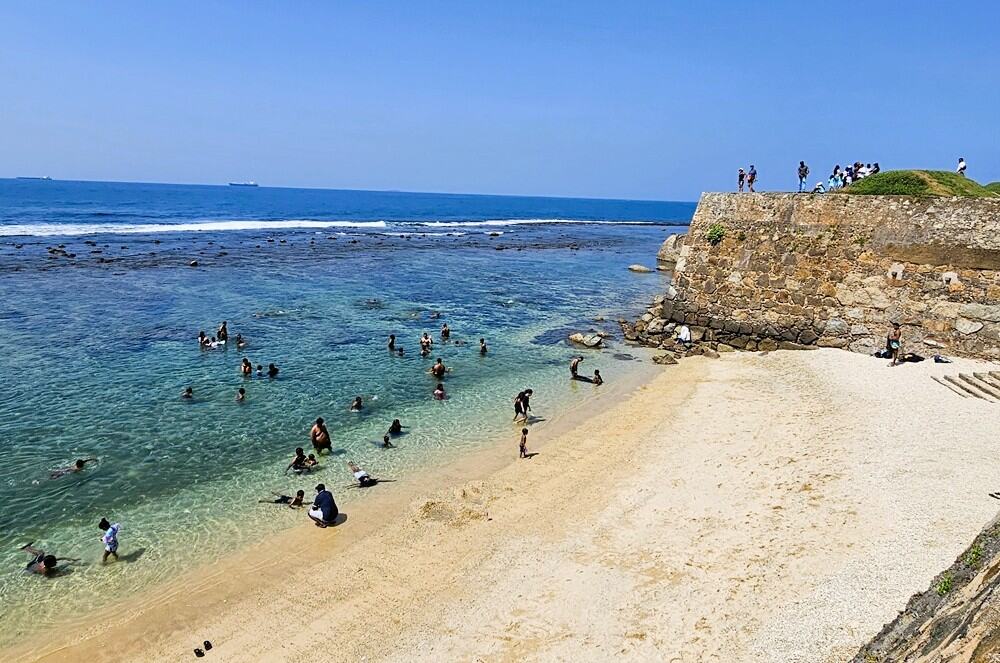
- Sunset walks along the fort wall: one of my favourite things to do in Galle is to walk along the fort walls at sunset, where you can often spot huge sea turtles diving among the waves.
- Sheltered swimming near the lighthouse: the ocean is usually calm enough for a gentle dip – perfect for anyone who wants a sea experience without battling waves or strong currents.
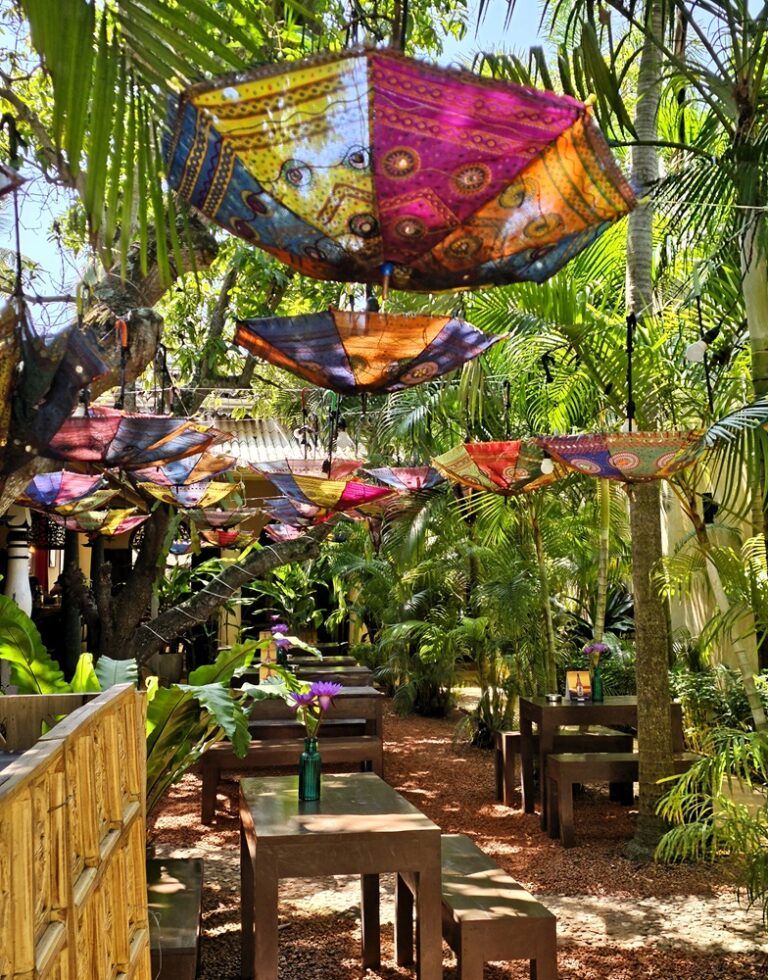
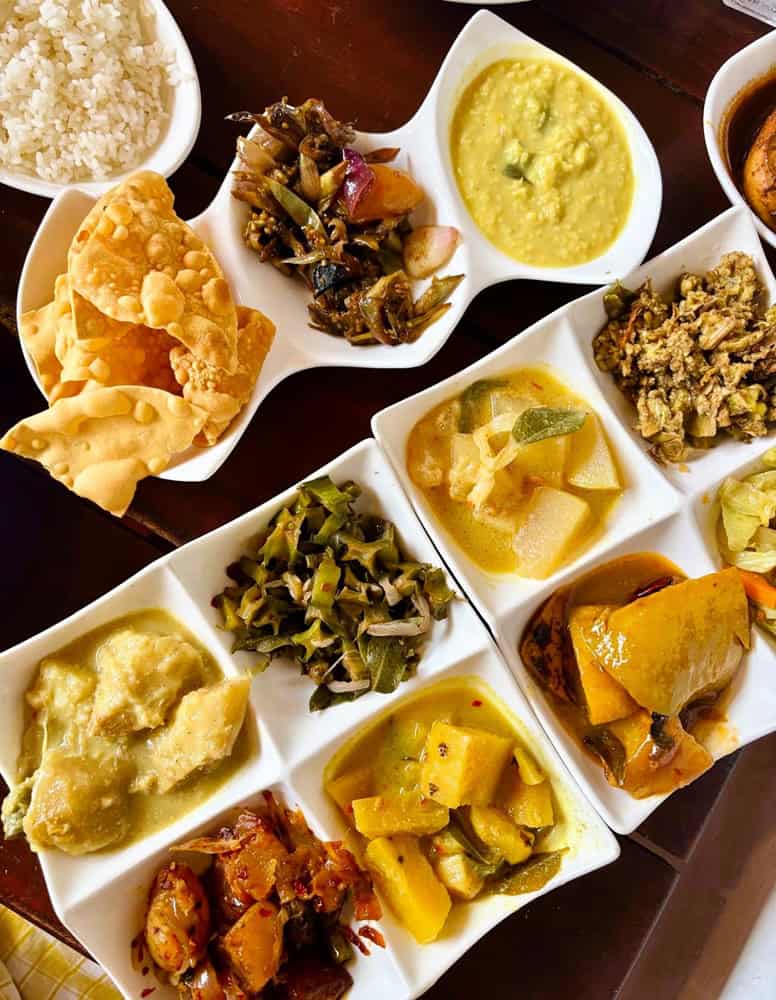
Tip: Don’t Miss the 10 dish rice and curry!
Tucked away on a quiet street inside Galle Fort, the family run Lucky Fort Restaurant is a must-visit for anyone wanting a true taste of home-cooked Sri Lankan food. It’s especially well-known for its legendary 10 rice and curries set menu. Simple, but so good…!! And such good value!
Learn more
Whether you’re visiting for a few days or settling in for a longer stay, Galle offers a safe, restful environment with plenty of creature comforts.
🌸It’s one of the easiest places to be for solo women travellers, especially those managing food sensitivities.
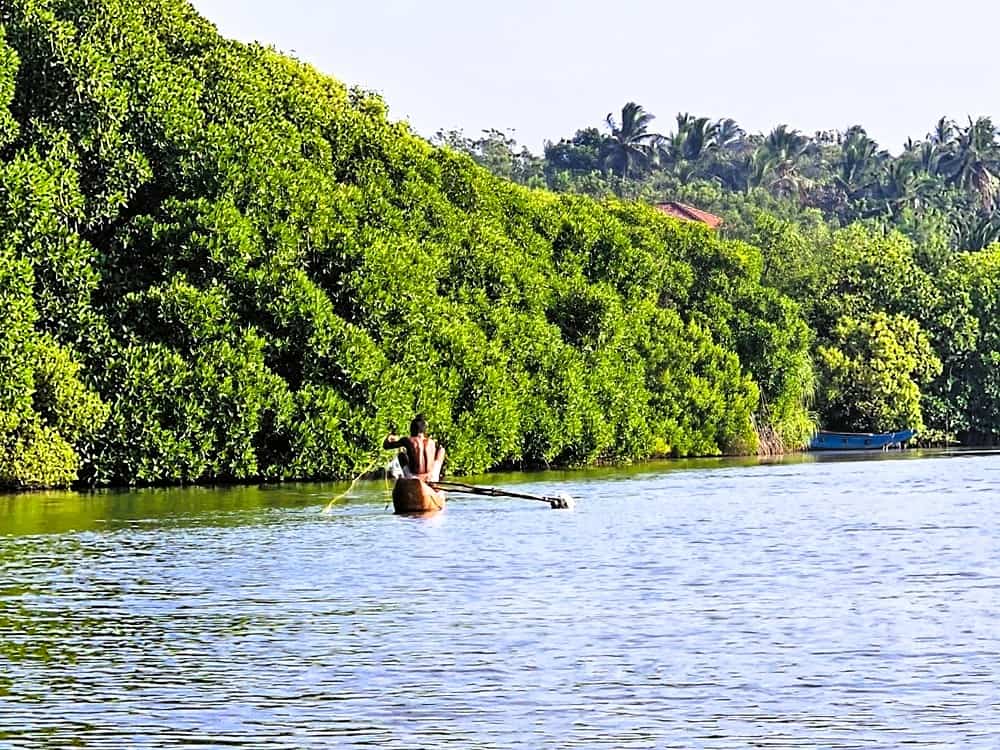
Serene Lagoons: Still Waters for Gentle Days
Another beautiful and often overlooked aspect of Sri Lanka’s diverse landscape is its serene lagoons and inland waterways.
These calm, sheltered environments offer peaceful experiences that are ideal if you’re travelling solo and managing chronic fatigue, pain, or simply need slower, healing moments in nature.
- Negombo Lagoon: just north of Colombo and close to the international airport, is a perfect place to start or end your journey. Enjoy sunset boat rides, gentle breezes, and a soothing introduction to island life—without the overwhelm of long transfers or noisy crowds.
- Tangalle and Rekawa Lagoons: These smaller coves and lagoons near Tangalle offer gentle kayaking and paddleboarding opportunities. Low-impact and mindful, these activities allow you to connect deeply with nature while moving your body in peaceful surroundings.
🌸 Lagoon areas offer not just beauty but breathing space—which can make a huge difference when you’re navigating health needs on your own terms.
The Central Highlands: Tea Country and Cooler Air for Gentle Healing
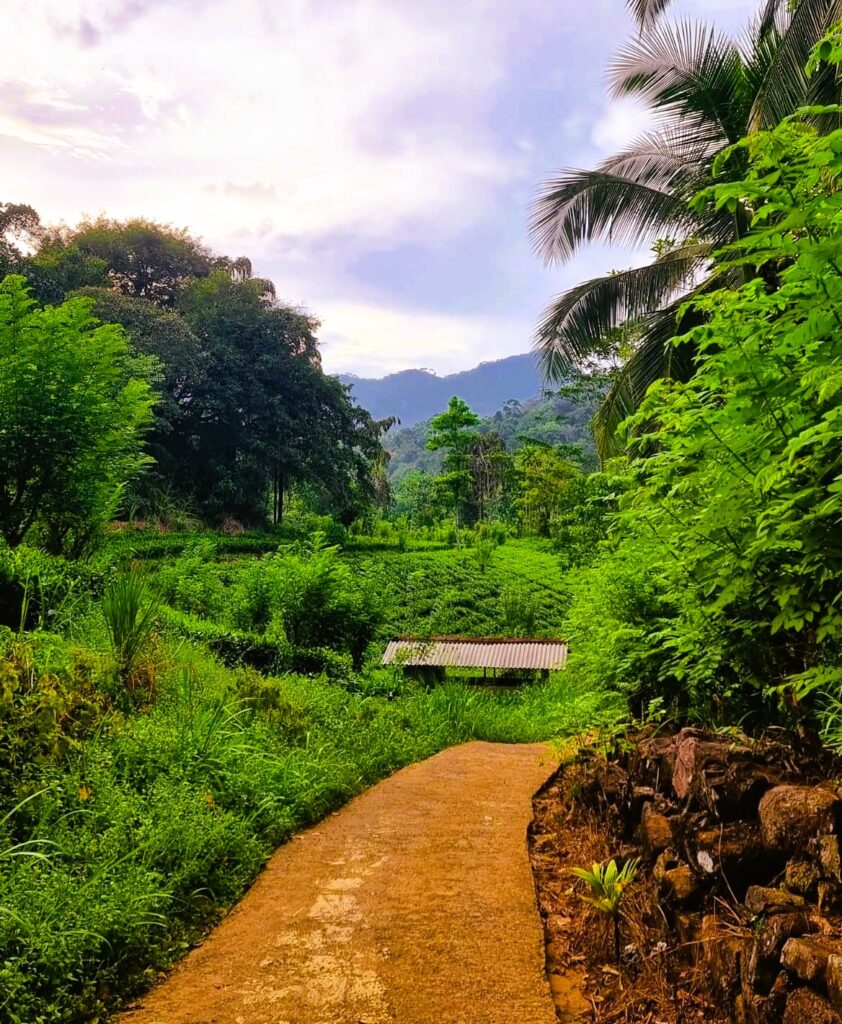
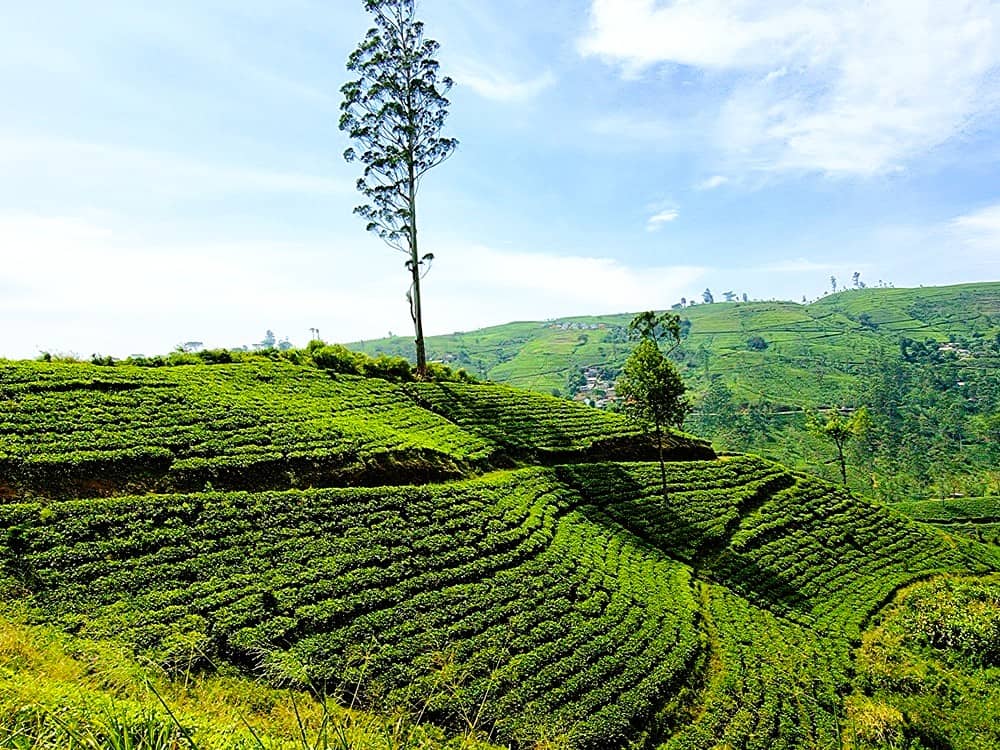
Heading inland to Sri Lanka’s Central Highlands is like stepping into a different world. In contrast to the sultry coastline, the highlands greet you with cool, clean air, misty mornings, and endless rolling hills of green tea fields. The pace slows here – even more than on the coast – offering quiet, grounded energy that many solo women over 50 find deeply restorative.
One of Sri Lanka’s unique charms is how quickly the landscape changes. Within hours, you can move from hot, humid beaches to the crisp, elevated calm of the highlands – a welcome relief for those with heat sensitivity, fatigue, inflammation, or migraines.
The cooler temperatures and higher altitude help soothe the body, while the serene surroundings calm the nervous system.
Whether you’re sipping herbal tea on a veranda overlooking the hills, walking slowly through the plantations, or simply soaking in the stillness, the highlands is an absolute must.
Why the Central Highlands are ideal for solo women managing health conditions:
- Incredibly scenic walks and gentle hikes: try Little Adam’s Peak in Ella — a short, manageable hike (about 30/45 minutes) with rewarding panoramic views, perfect for pacing your energy. The path rewards you with spectacular views of Ella Gap and tea plantations, and you can stop half way for a cup of tea at the rather luxurious 98 Acres Hotel.
- Ayurvedic spas: ideal for easing chronic muscle tension, improving sleep, and promoting deep relaxation.
- Cosy guesthouses and homestays: many have hillside locations with stunning views, creating perfect spots for meditation, reading, and healing solitude.
- Tea plantations and factory tours: you can explore the world-famous Ceylon tea at your own pace, strolling through manicured tea bushes and learning about traditional processing.
My Personal Experiences of the Highlands
I’ve spent time in:
Ella: Lively and scenic, with a backpacker-friendly feel — yet still offers pockets of quiet, lush nature, boutique stays, and some of the most breathtaking views in Sri Lanka.
Nuwara Eliya: Known as ‘Little England’. With its colonial-era buildings, golf course, and immaculately kept gardens, in the middle of Sri Lanka’s tea country, it’s really rather surreal … (More tea, darling?)
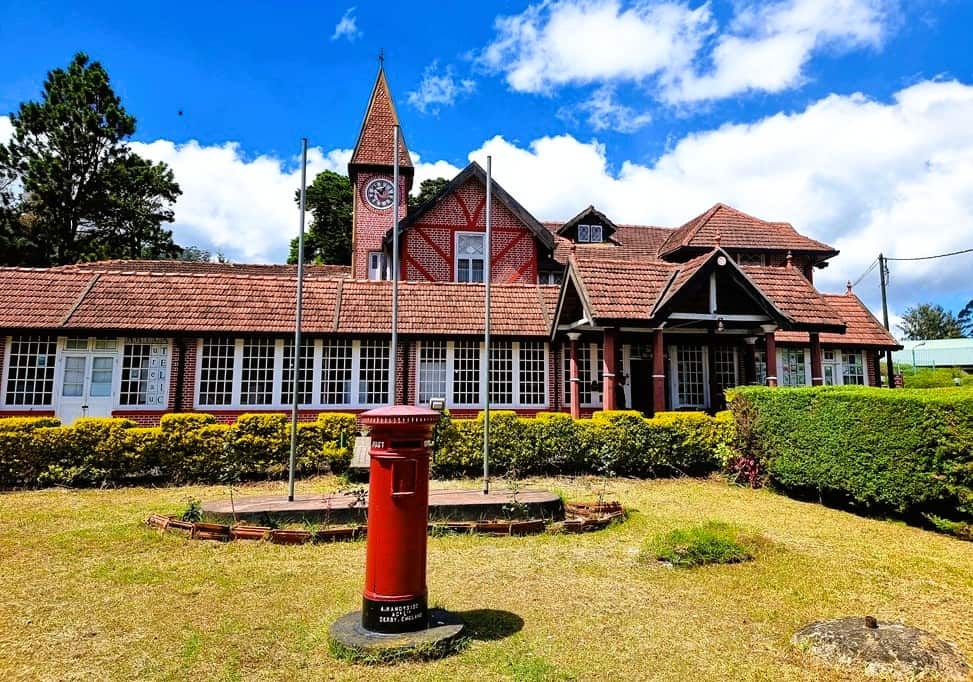
The one and only time I went to Nuwara Eliya, it was just after the pandemic, and it was very quiet. I stayed at the Atulya Villas and had the whole hotel and the staff to myself! I felt somewhat like royalty! I should imagine it’s much busier now.
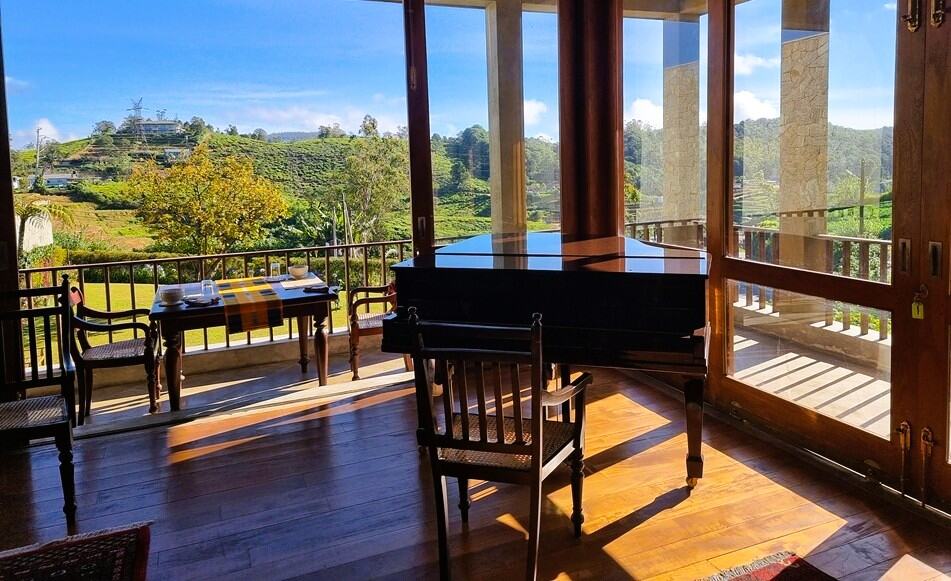
Beregala (near Haputale) – off the beaten path
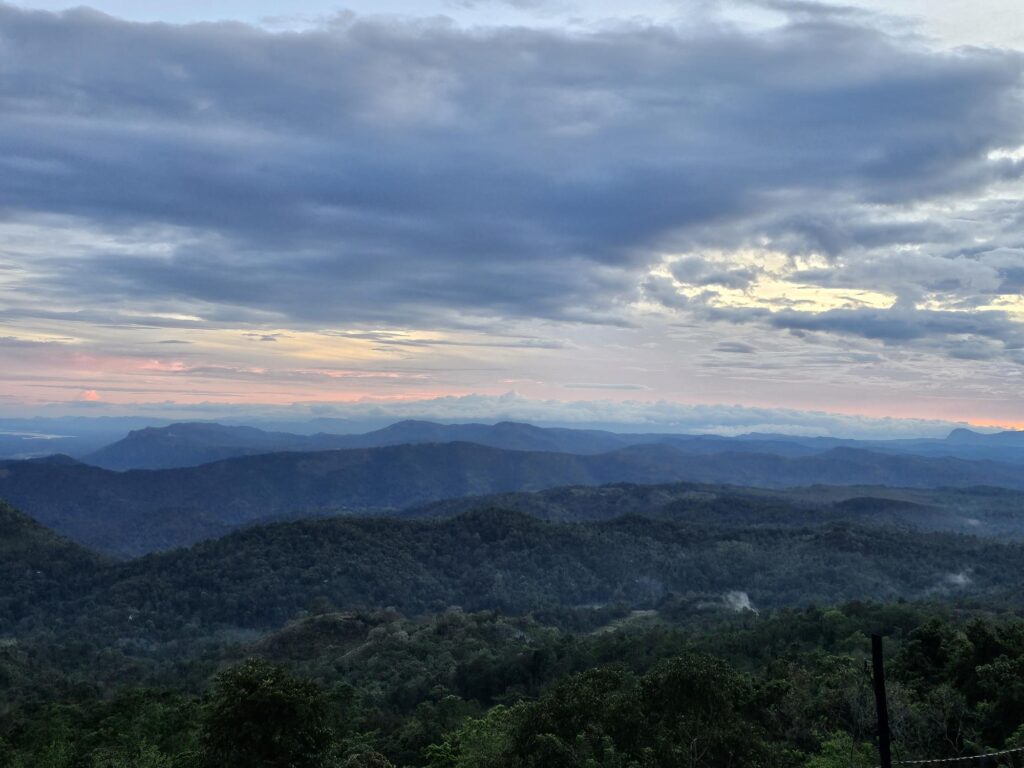
More recently, I discovered a little known village called Beregala, near Haputale. It’s truly off the tourist radar – it’s surrounded by endless green hills, tea plantations, and shifting skies that feel like a meditation in motion.
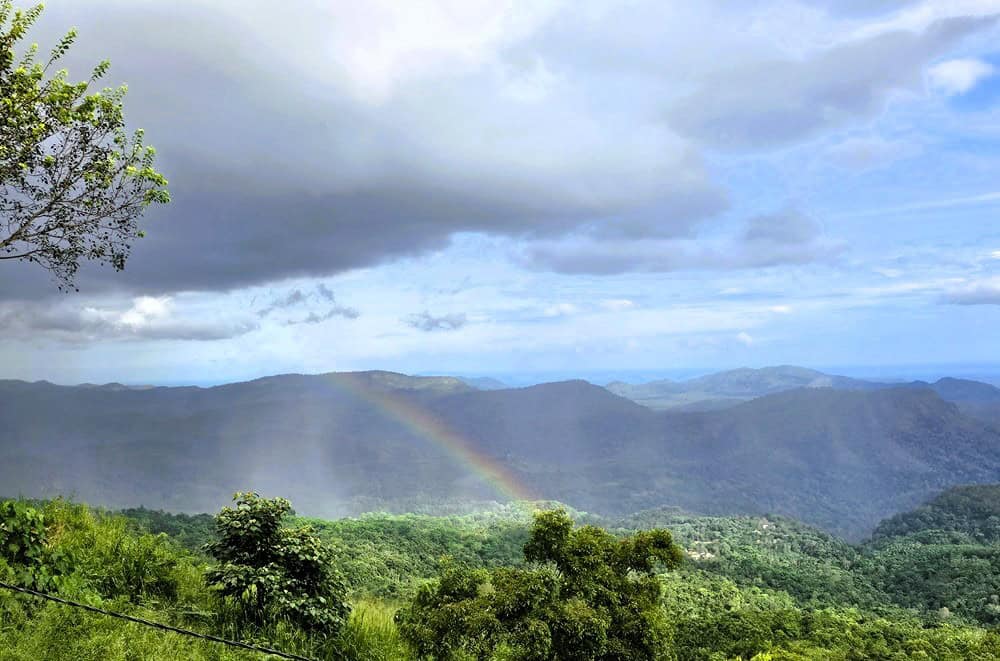
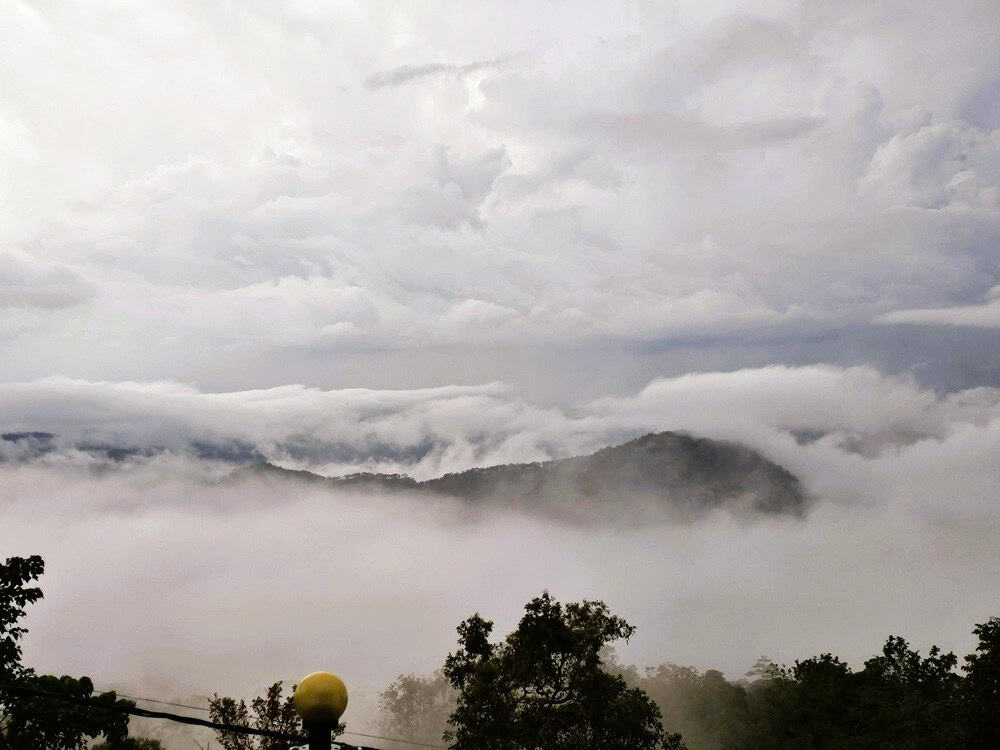
Watching the cloud formations roll in, followed by sudden rainstorms, vivid rainbows, and golden light breaking through the mist – it feels like nature is reminding you to breathe.
Days pass slowly here, and that’s exactly the point.
🌸If you’re looking to disconnect, recharge, and completely slow down, this might be your place.
One view, many shades: a meditation in motion
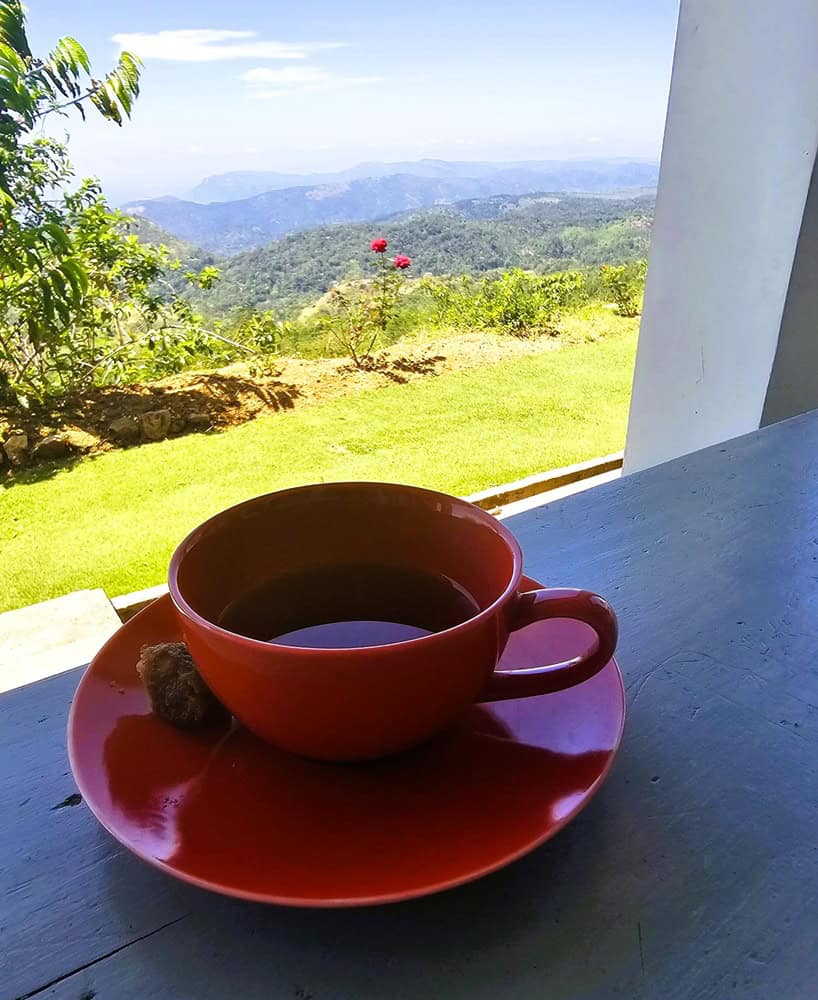
Happy Stones Guest House: Review
Read my review of Happy Stones, the guesthouse I stayed in—simple, soulful, and with unforgettable views and a host is very supportive of female solo travellers.
Sometimes, what your body and spirit need most isn’t fancy. It’s quiet simplicity.
Learn more
The Iconic Train Ride
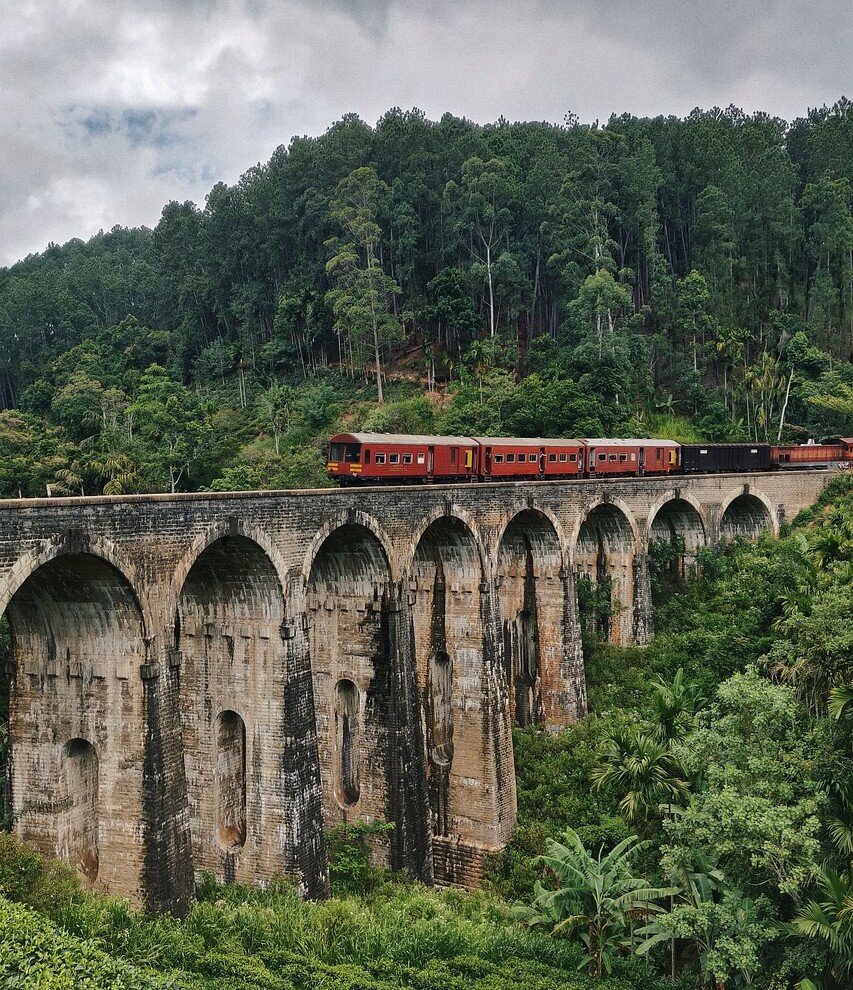
No visit to the highlands is complete without the scenic train ride between Kandy, Nuwara Eliya, and Ella. Often described as one of the most beautiful train journeys in the world, it winds through:
- Lush tea estates
- Misty mountains
- Waterfalls and small villages
It’s a must do experience, and a gentle, low energy way to take in the beauty of Sri Lanka’s interior – ideal for women managing chronic conditions.
Kandy: The Spiritual and Cultural Heart
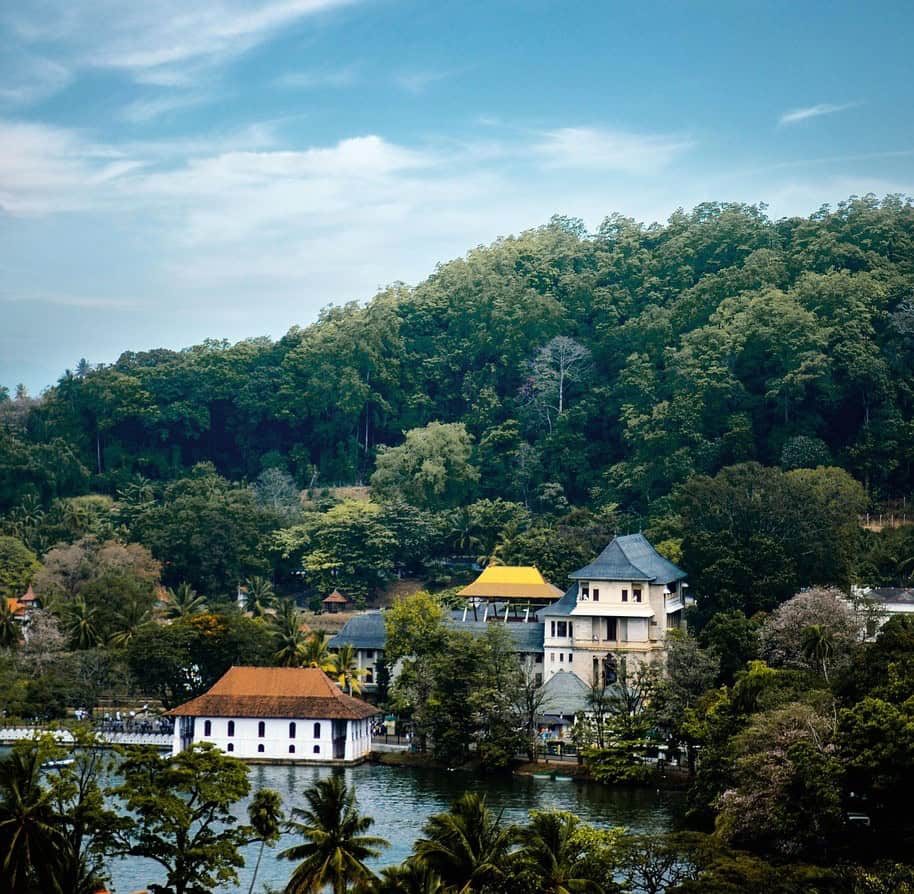
Nestled in the heart of Sri Lanka’s central hills, Kandy is a UNESCO World Heritage Site, and is often considered the cultural and spiritual capital of the island. Home to the sacred Temple of the Tooth Relic, this city offers a beautiful mix of heritage, spirituality, and natural beauty—making it a rewarding stop for solo travellers seeking cultural experiences.
Things to do in Kandy to suit chronic health travellers:
- Visit the Temple of the Tooth Relic : Visit one of the most important Buddhist pilgrimage sites in Sri Lanka. You can join a spiritual ceremony or quietly admire the intricate architecture and sacred atmosphere.
- Walk around Kandy Lake: This central, tree-lined lake offers flat, shaded paths—perfect for gentle movement, reflection, and people-watching. Pop into Café Kandyana – half way round for a refresher.
- Explore the Royal Botanical Gardens in Peradeniya: A peaceful oasis just outside Kandy, these expansive gardens are ideal for slow walks among tropical flowers, orchids, palm avenues, and towering trees. This is my favourite all time Botanical Garden.
- Experience Kandyan dance and drumming: Go to a cultural performances in the evening offer a fascinating glimpse into traditional Sri Lankan arts.
Tip
Kandy can get crowded, noisy, and very polluted – especially during peak travel seasons. For a calmer experience, consider staying in the surrounding hills, where you’ll find guesthouses and boutique stays with cooler air, scenic views, and a more relaxed pace.
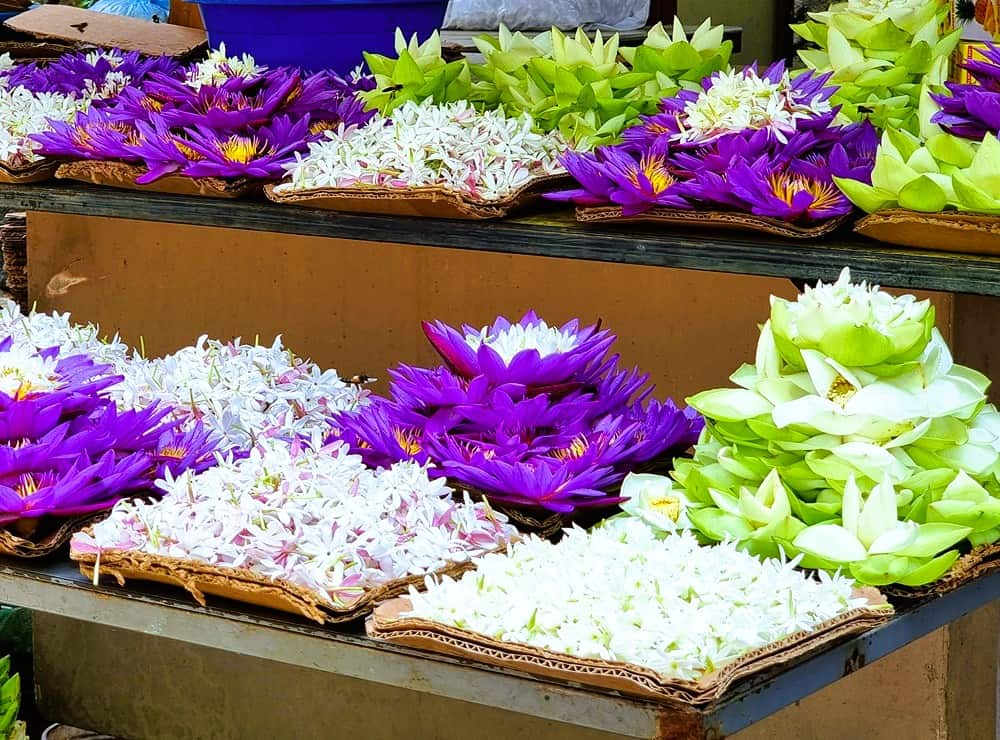
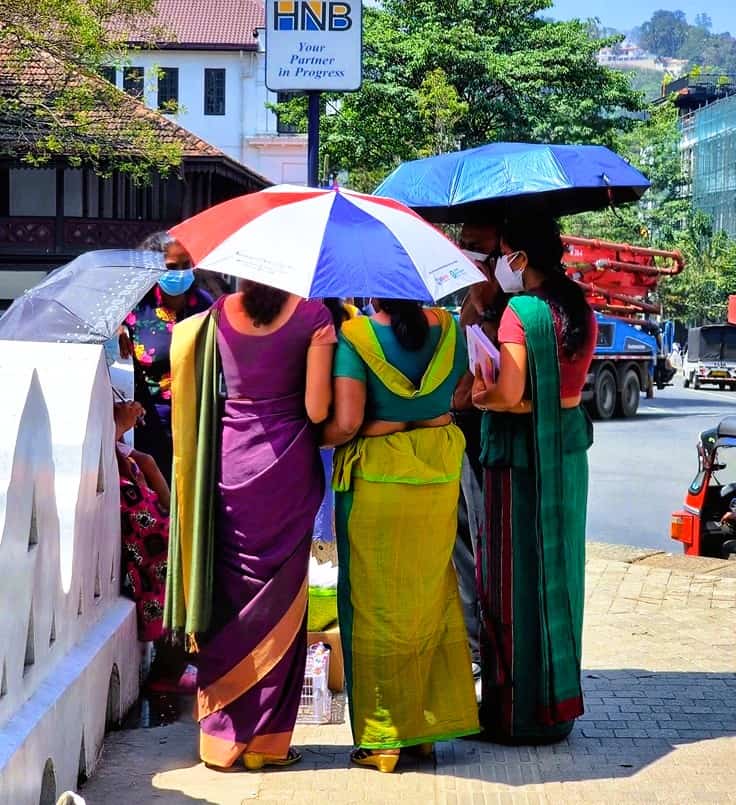
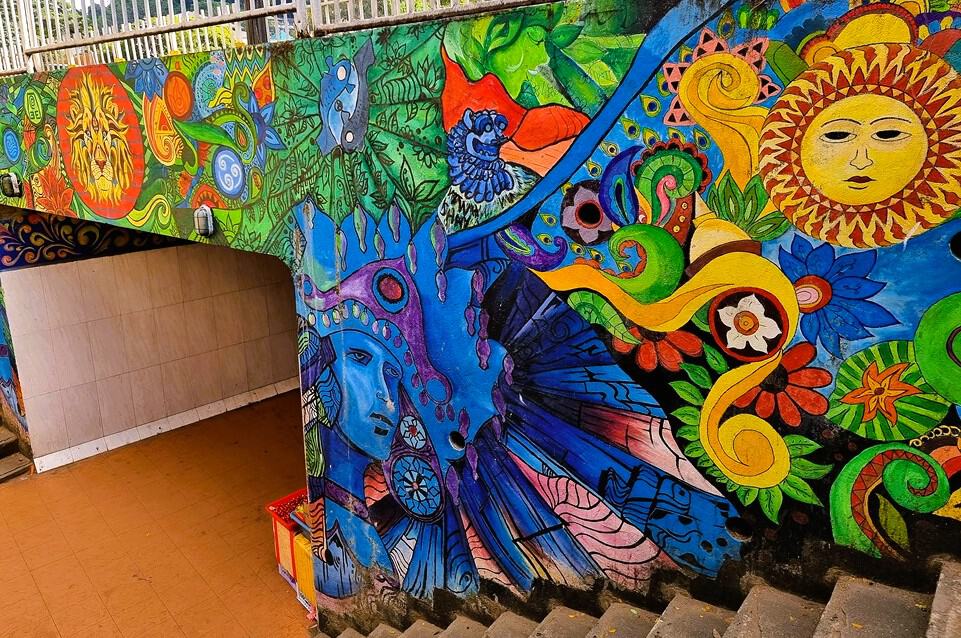
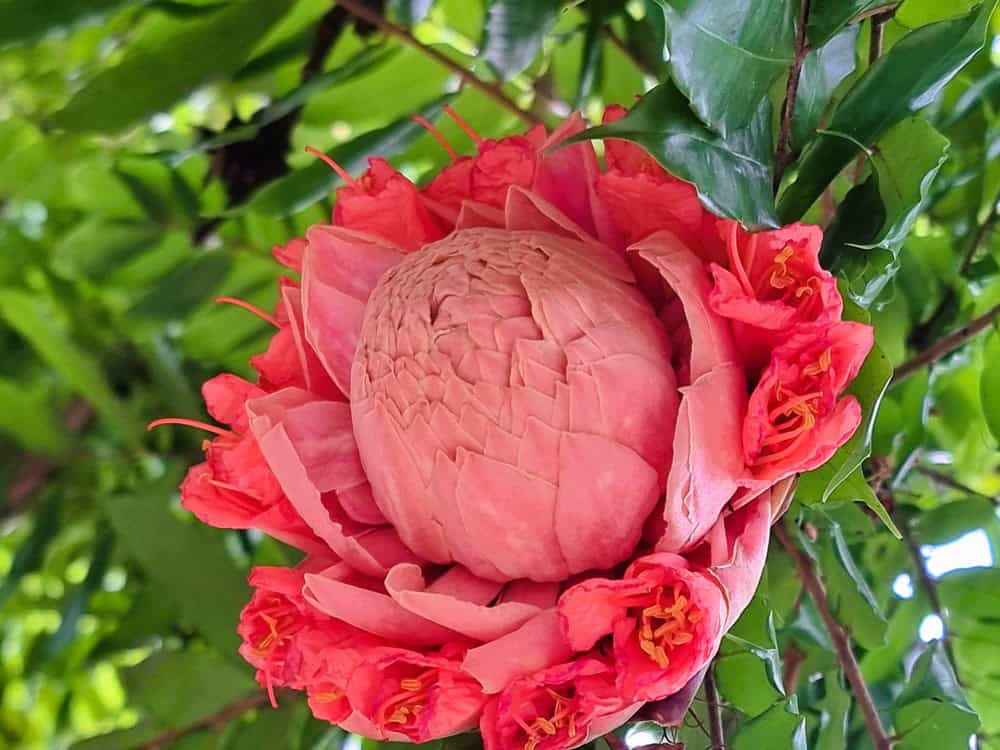
Vibrant Kandy
Sri Lanka’s UNESCO Sites for Low-Energy Exploration
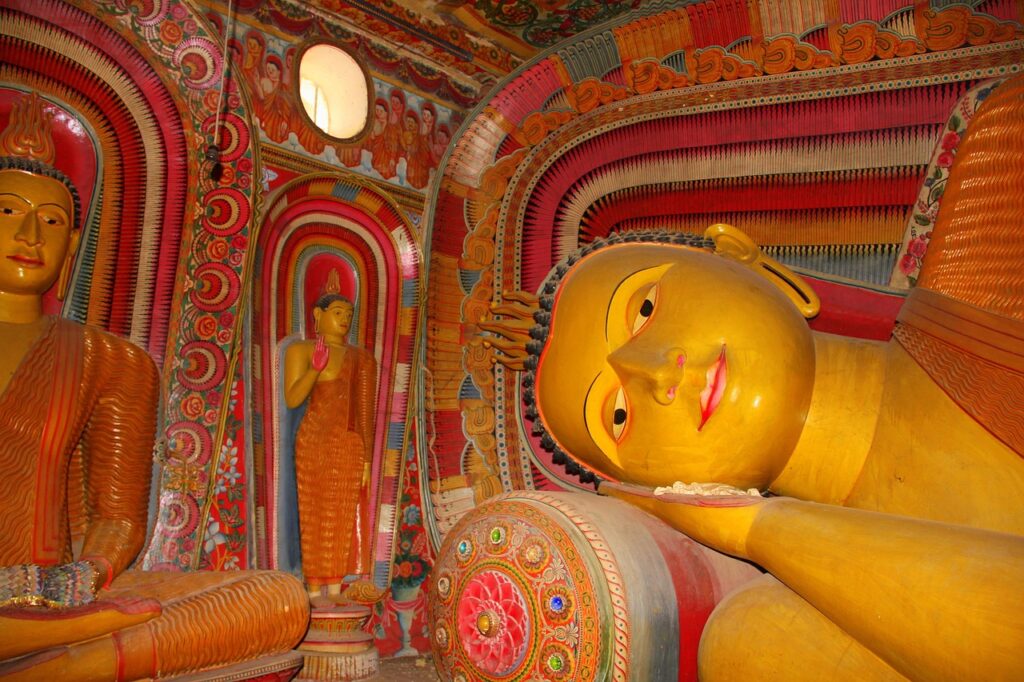
Sri Lanka is home to eight UNESCO World Heritage Sites (including Kandy and Galle). Many of them can be enjoyed without physical strain, making them ideal for women managing chronic illness, fatigue, or simply seeking slower travel experiences.
These cultural wonders offer a deep sense of connection, history, and beauty. The three below can be visited without requiring long hikes and steep climbs (unless you choose them of course):
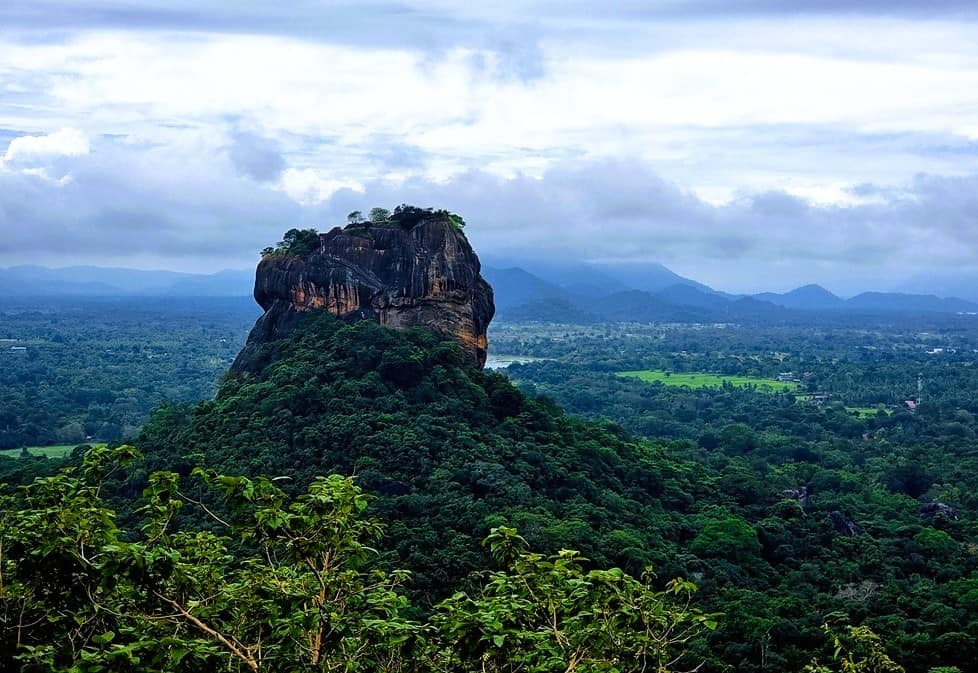
1. Sigiriya Rock Fortress (Optional Climb)
This ancient rock citadel is one of Sri Lanka’s most iconic landmarks. Yes, it’s a climb—but the surrounding gardens, water features, and museum are equally beautiful and easy to explore at ground level.
❤️ You can choose how far to go and even admiring it from below is a powerful experience (and cheaper).
2. Polonnaruwa Ancient City
This well-preserved ancient capital is spread across a wide area – making it ideal to explore by tuk-tuk at your own pace.
❤️ No hills, shaded areas and a lovely sense of space and peace. You can explore by tuk-tuk, bike or car.
3. Ancient City of Anuradhapura
known for its sacred Buddhist temples, enormous stupas, and the revered Sri Maha Bodhi tree. As the island’s first capital, it offers a deep spiritual atmosphere and centuries of history in a peaceful, open-air setting.
❤️ Mostly flat, can be explored by vehicle or tuk-tuk, and allows for slow, flexible pacing with plenty of shade and resting areas.
Tip
Aim to visit early in the morning or week days to avoid heat and crowds.
Hire a private tuk-tuk to reduce walking distances.
Don’t feel pressured to do it all – even partial visits can be meaningful.
Low Effort, High Reward Encounters with Sri Lanka’s Wildlife
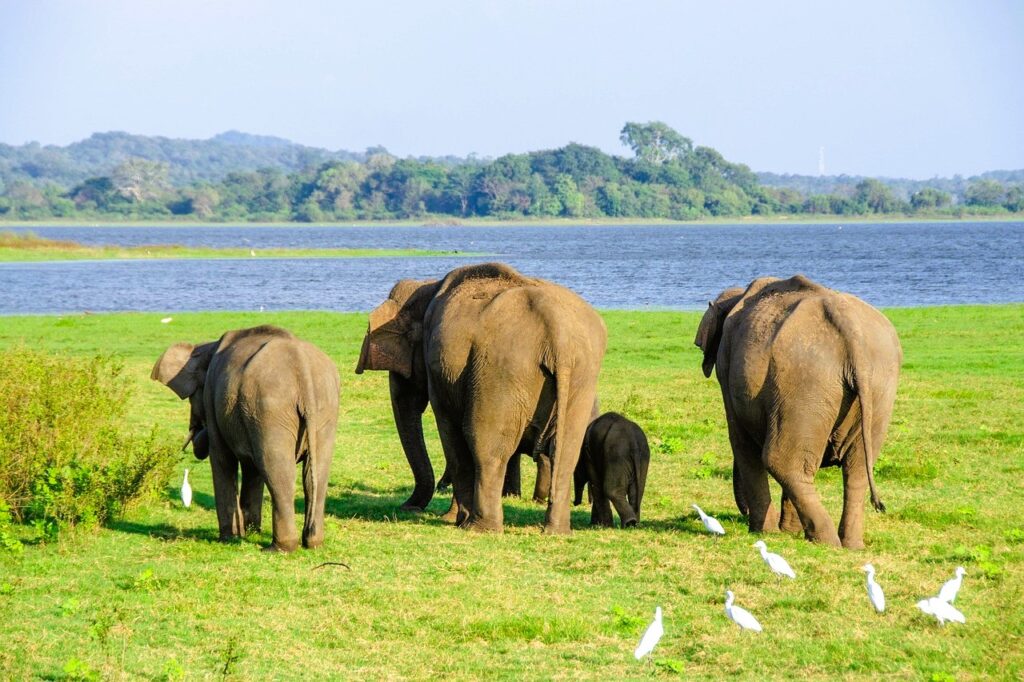
For a relatively small island, Sri Lanka offers an extraordinary diversity of wildlife—from elephants and leopards to peacocks, monkeys, and even whales. And the best part? You don’t need to hike for hours or push your body beyond its limits to experience it.
Options include:
Jeep Safaris: See Elephants, Leopards & More
Two of the most popular and accessible safari parks are:
- Yala National Park – home to one of the highest densities of leopards in the world
- Udawalawe National Park – famous for its large elephant herds
Both can be explored via guided jeep safaris, so you can sit back, relax, and enjoy the scenery with minimal effort. Tours are also customizable in length and pace.
❤️Ideal for solo women travellers with chronic conditions who want to take it easy
Quieter Parks for Sensitive Travelers
If you’re sensitive to crowds, noise, or stimulation, you can consider:
- Bundala National Park – A haven for bird lovers with a calm, quiet vibe
- Kumana National Park – Remote and peaceful, with diverse wildlife in a slower setting
❤️These less-visited national parks are perfect for those seeking a more meditative, restorative wildlife experience.
Whale & Dolphin Watching (Gentle Coastal Encounters)
Several coastal areas offer seasonal marine wildlife tours, including:
- Mirissa (South Coast)
- Kalpitiya (Northwest Coast)
- Trincomalee (East Coast)
These boat trips offer the chance to see blue whales, spinner dolphins, and more.
A Note on Whale Watching Ethics: I haven’t personally done these tours, it’s worth researching operators who follow marine-safe, ethical practices to protect these incredible animals. Look for those certified by responsible travel associations or with strong conservation values.
2. Understanding Sri Lanka’s Climate: An Important Consideration for Chronic Health Travel
a varied climate to suit your body
One of the most supportive aspects of travel in Sri Lanka for women with chronic illness or managing fluctuating hormones is the island’s climate diversity. From tropical warmth on the coast to cool, misty highlands inland, you can easily adjust your itinerary to match your body’s needs.
Coastal Regions: Heat & Humidity
The south and west coasts are typically hot and humid, especially during the dry season from December to April.
For many, this climate can be deeply healing:
- Warmth soothes joint pain and muscle tension
- Sea air and ocean swims can be calming and restorative
- Consistent sunshine supports energy, mood, and vitamin D level
Hill Country: Cool, Restorative Air at Higher Elevation
If heat and humidity leave you feeling drained, dizzy, or inflamed, Sri Lanka’s Central Highlands offer a refreshing contrast. Here, the air is cooler and less humid, with misty mornings and crisp evenings—especially from December to March.
✨My tip: I personally love to start at the coast to soak up some warmth, then retreat into the hills when I need deeper rest and relief from heat. (Though yes, it can get chilly in the evenings – pack layers!)
Tips
Travel tips for heat-sensitive health conditions:
• Check if your accommodation has A/C (don’t assume it does)
• Travel with electrolyte sachets or cooling towels
• Avoid long transfers during peak sun hours
• Book early morning or evening activities when it’s cooler
Monsoon Seasons in Sri Lanka: What You Need to Know
Sri Lanka has two monsoon seasons. With a little planning, you can still enjoy warm, sunny days year -round by choosing the right region for the right season.
| Monsoon | Affects | Best Time to Visit |
| SW Monsoon | South & West Coasts (Galle, Mirissa, Colombo) | Dec–April |
| NE Monsoon | East & North Coasts (Trincomalee, Nilaveli, Batticaloa) | May–Sept |
Monsoon often brings short, heavy bursts of rain followed by long dry periods. In the hill country, paths may get slippery and transport delays can occur – plan accordingly.
🌸 By being climate aware, you can build a travel experience that aligns with your energy and health – giving you the flexibility to rest when needed and enjoy all the beauty Sri Lanka has to offer.
3. Comfortable Accommodation for Every Body & Budget
Accessible Comfort for Solo Women Travelers with Health Needs
One of the true joys of traveling in Sri Lanka is how comfort and care are accessible – even when you’re on a budget (which I usually am).
Whether you’re looking for a boutique hotel, ecolodge, Ayurvedic wellness retreat, private villa, or a simple guesthouse, there are options across all price points that support rest, health, and recovery.
For women managing chronic illness, fatigue, or simply seeking a slower travel pace, this flexibility is a gift. You can find beautiful, health-supportive places to stay without sacrificing comfort or affordability.
🌸 Noteworthy Hotel: Sri Lanka is now home to its first all women run hotel – Amba Yaalu (which means “best friend” in Sinhala). It’s a beautiful symbol of female empowerment in hospitality and a supportive space for solo women travellers looking for connection, comfort, and care.
My Experience: Simple Comforts, Big Heart
Over the years, I’ve stayed in all kinds of places across the island – from family run guesthouses to large hotels, to more polished boutique stays. But the ones that stayed with me most weren’t the fanciest – they were the ones that made me feel genuinely cared for
Now that I travel with a neurological condition and I combine travel with work, I usually look for accommodation that has a:
- kitchen – so I can cook meals that support my energy and digestion
- workspace and Wi-Fi – for working remotely
- quiet, restful environment – crucial when managing flare-ups.
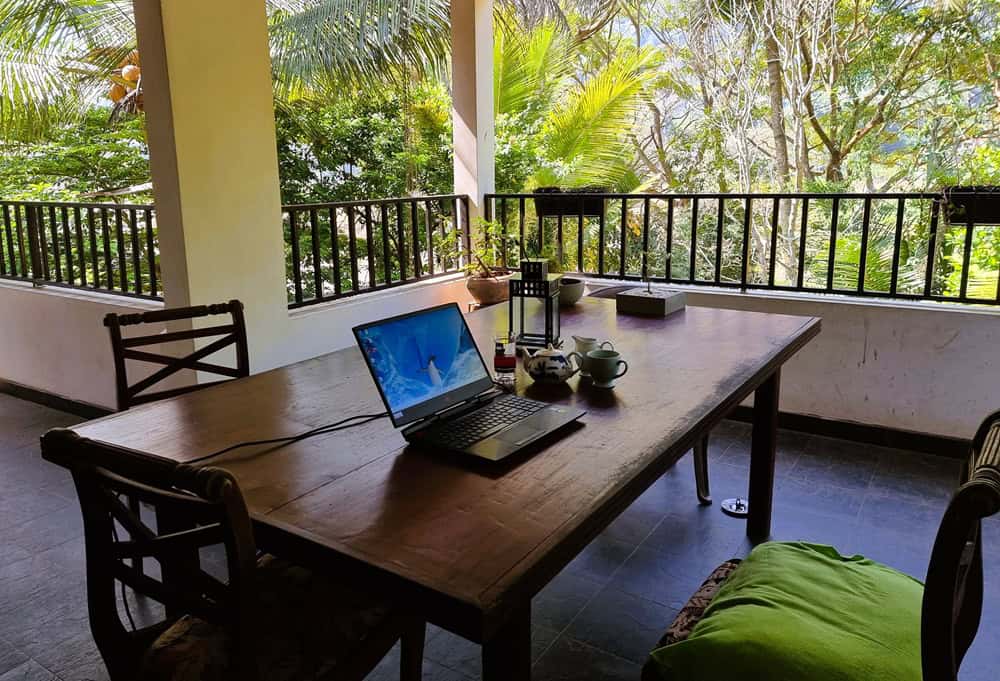
Some of the best stays offered simple, healing touches like:
• Home cooked meals made with fresh, local ingredients
• Help with local transport, tuk-tuk hire, or private drivers
• Kind, attentive hosts who understand when you need space, quiet, or a little extra help
🌸Often it’s the small, family run places that go the extra mile – not just in service, but in warmth.
Interview: Pure Nature Hideaway, Tangalle
On my most recent trip to Tangalle, I stayed at a lovely villa called Pure Nature Hideaway. It was quiet, close to nature, and run by a host who really understood how to create a gentle, nourishing space.
Learn more
Get the the free Sri Lanka Reflective Guide for Midlife Women
A thoughtful guide for midlife women considering Sri Lanka — especially if you’re navigating chronic illness, menopause, or travelling solo.
With reflective questions, to help you sink into you mind and body, and gently ask… is this right for me?
4. Language: English is Widely Spoken
Get by with ease
One of the things that makes Sri Lanka especially easy to navigate – particularly if you’re managing health needs – is that English is widely spoken, especially in the healthcare sector, tourist areas, and larger towns.
Most doctors, pharmacists, and clinic staff speak fluent English, and in my experience, communication has rarely been an issue when discussing medical concerns, asking about ingredients, or seeking directions.
English is commonly used In:
- Hospitals and clinics (especially private facilities)
- Menus at restaurants and cafés
- Transport timetables, and signage
- Shops, markets, and tourist attractions
Even in more rural areas, people are often eager to help, and a mix of English, gestures, and smiles usually goes a long way.
5. Transport – Getting Around: Surprisingly Easy and Flexible
Choose transport to suit your energy
One of the best things about traveling in Sri Lanka – especially as a solo woman managing chronic health conditions – is how affordable, flexible, and accessible the transport options are. Whether you’re conserving energy, avoiding crowds, or just wanting a smoother ride, there’s a way to move around that fits your needs.
From tuk-tuks and scenic trains to private taxis and multi-day drivers, you can travel at your pace, with minimal stress and plenty of options to support your energy levels.
Let’s start with the smallest!
Tuk-tuks: spontaneous, fun, and always available
I absolutely love tuk-tuks! These three-wheeled wonders are everywhere and great for quick beach runs, market trips or low energy days.
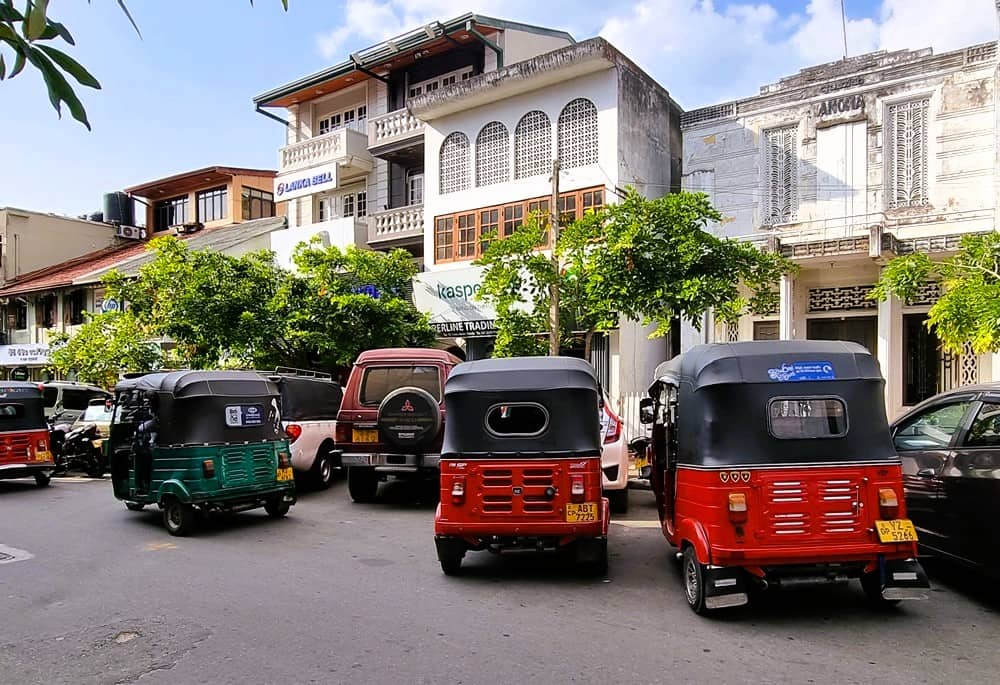
Why tuk-tuks are great for chronic illness travellers:
- Easy door-to-door access for yoga, shopping, beach trips – you name it
- Perfect if you’re low on energy but still want to get out and about
- Drivers are usually happy to wait if you’re making multiple stops
- No need to carry heavy bags – tuk-tuk drivers will often help
✨ Tip: Always agree on the fare before the ride and keep a reliable tuk-tuk driver’s number in your phone.
🌸 Personal note: In Beragala, I had a wonderful tuk-tuk driver – he ended up feeling like my personal tuk-tuk driver! I’d text and he’d pick me up, take me out and about, took me from shop to shop, and knew exactly where to go for everything I needed. I felt truly looked after. He was a gem!
Transport App: Pick Me
Sri Lanka now has a ride-hailing app called PickMe, similar to Uber or Grab. It’s cheaper to book tuk tuks and local taxis through PickMe, and just like Uber and Grab the journey is tracked from start to finish.
Buses: Budget-Friendly and Local
Sri Lanka’s public bus system is extensive, inexpensive, and frequent – connecting even the most remote towns and villages.
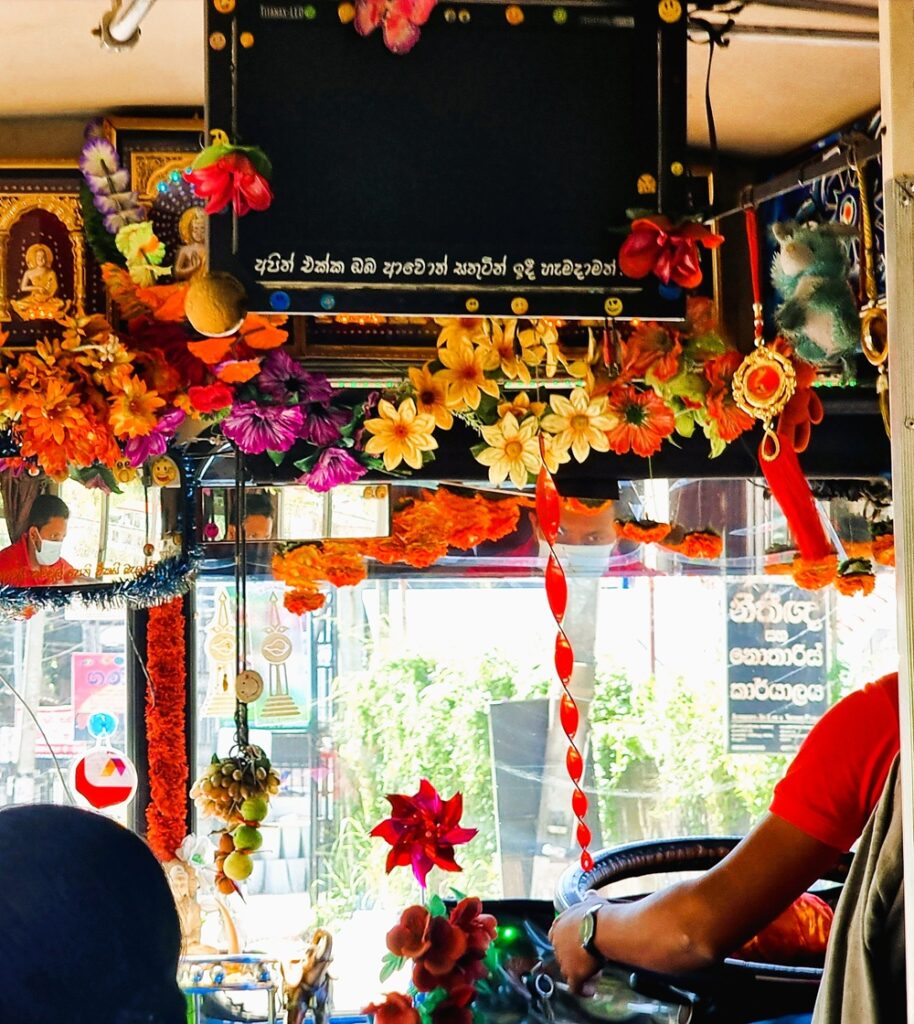
Buses are also an experience in itself: many buses are brightly decorated with Buddha icons, joss sticks, flashing lights, and pulsing local music. Some even feature the occasional disco ball, making for a ride that’s anything but dull!
But there’s a flip side: buses can get very crowded and bumpy, especially during peak hours. If you’re navigating chronic illness, a little planning can make all the difference:
- Travel outside of rush hours (7 – 9 am and 4 – 6 pm)
- Opt for A/C express” buses like Superline, for long journeys. They are more comfortable and less busy. You can book air-conditioned buses through 12GoAisa
- Use public buses for short hops only—for longer journeys, consider hiring a private driver or using train travel where possible
Sri Lanka’s buses are part of the cultural experience, but don’t feel you have to do buses when your body or brain says “not today”!
🌸Remember: You’re not missing out by skipping the ‘local experience.’ You’re choosing what supports your body – and that’s powerful
Trains: the scenic option
Train travel in Sri Lanka is unforgettable – especially the Kandy to Ella route or the coastal ride from Galle to Matara.
However, unreserved compartments along busy routes can be hot, crowded, and exhausting. I once stood the entire ride from Kandy to Colombo.
Tips:
• reserve seats in advance
• travel outside rush hours
You can book some trains through 12Go. However, for some you main need to go to the train station.
Private Taxis: Worth Every Rupee
For longer distances, private taxis are one of the best investments in low stress, chronic illness friendly travel.
For longer trips, or when buses and trains feel like too much, private taxis are brilliant. They’re surprisingly affordable in Sri Lanka and ideal if you’re pacing your energy or managing flare ups.
Here’s what I’ve paid recently:
- Colombo → Galle (-120 km): ~£60
- Tangalle → Beragala (~100 km): ~£60
- Beragala → Colombo Airport (~160 km): ~£80
Why taxis work well for chronic health travellers:
- Total control over timing, stops, and rest breaks
- Door-to-door service reduces stress and walking
- Drivers often help with bags and are happy to wait at stops
- Cool, clean, air-conditioned rides – no crowds, no chaos
I use a reliable taxi service that confirms via WhatsApp, sends the driver’s photo + contact info, and provides real-time GPS tracking. The taxi company is Yo Yo LK Tour & Galle Taxis +94 712 453 782. You can find there here on Trip Advisor (they service the whole region, not just Galle).
You can also book taxis through 12Go.
Multi-Day Private Hire: The Ultimate in Flexibility
Though I haven’t done this personally, I know several travellers—especially those short on time or needing extra rest—who’ve hired a private driver for several days. This option gives you freedom to see the country at your own pace, with zero transport stress.
Perfect if you:
• Need a predictable routine and low-stress logistics
• Want to avoid repacking or changing transport every few days
• Have health conditions that flare with over-exertion
Benefits:
• Create your own itinerary—with breaks, naps, or meals as needed
• Avoid noisy buses or standing in queues
• Get informal guiding and translation help from your driver
• Keep cool, comfortable, and in control
You can book this through:
- Local guesthouses (often cheaper than big agencies)
- Tour operators offering wellness or slow travel experiences
Final Word on Transport: Gentle Travel is Possible in Sri Lanka
Whether you’re building a flexible wellness itinerary, managing chronic fatigue, or just want to move slow and soulfully, Sri Lanka’s transport options meet you where you are.
There’s no need to “push through” discomfort. This country lets you choose your own pace—with tuk-tuks at your fingertips, trains with a view, and kind drivers always ready to help.
🌸You can shape your travel around your mind and body.
6. Accessible, Reassuring Private Healthcare
Peace of mind when you have a health condition
Why Sri Lanka Offers Peace of Mind for Women Travelling with Chronic Health Conditions
A comforting aspects of solo travel in Sri Lanka – especially if you’re managing a chronic illness – is how affordable, efficient, and accessible its private healthcare system is.
For many travellers (myself included), just knowing that support is nearby brings a sense of ease.
Sri Lanka has a well-established network of private hospitals and specialist clinics, particularly in Colombo, Kandy, and Galle. Many doctors are English-speaking, internationally trained, and familiar with working with expats and digital nomads.
Why This Matters for Chronic Health Travellers
If you live with a chronic condition, whether that’s autoimmune issues, chronic fatigue, fibromyalgia, MS, IBS, or anxiety disorders, access to responsive medical care can be a key part of travel planning.
Here’s what makes healthcare in Sri Lanka particularly supportive:
- Quick appointments with a specialist – often same day or next day
- Specialists available without long waits or referrals
- Affordable private consultations
- Access to labs and diagnostics quickly, often on-site
- Pharmacies are well-stocked and widespread, even in smaller towns
- Hospitals with international wings (some cater to medical tourists)
My Personal Experience with Healthcare in Sri Lanka
I’ll admit, like many people from the West, I initially assumed healthcare in lower-income countries might not meet certain standards. But Sri Lanka proved me wrong.
Over the past few years, I’ve consulted with two neurologists and two gynaecologists in Sri Lanka. All were fluent in English, three had worked in the UK medical system, and all were up to date with current research. Most importantly, they were deeply respectful and genuinely attentive.
One neurologist particularly impressed me. He took the time to listen, ask thoughtful questions, and conducted a thorough exam – I’ve been back to him twice. Another standout was a gynaecologist who patiently answered my 101 questions about fibroids and hysterectomies with clarity and care.
This didn’t replace my UK referrals, but it gave me something I rarely experience at home: quick access, time to truly be heard, and, perhaps most importantly, the freedom to get second and third opinions. In the UK, you’re usually limited to one consultant and one opinion, whether it fits or not.
During my visits, I’ve had access to:
- MRIs and brain scans
- Comprehensive blood tests
- Ultrasounds
All were arranged within a couple of days, with results delivered within the week. In the UK, this process would likely take weeks or months on the NHS.
What Does It Actually Cost?
| Service | Approx. Cost (GBP) |
| Specialist consultation | £20–£40 |
| MRI scan | £80–£120 |
| Full blood panel | £15–£30 |
| Ultrasound | £25–£40 |
When compared to private healthcare in the UK or Europe, the difference is astonishing—and it removes a major barrier for those traveling with chronic health needs.
A note on Travel Insurance
None of this replaces the need for travel insurance, particularly for emergencies, hospital admissions, or accidents. But if you’re travelling with a long-term condition, knowing that affordable, quality medical care is readily available makes a world of difference.
Important: Emergency Limitations in Remote Areas
While private hospitals in cities are good, emergency medical care in rural or remote areas can be limited. If you have a condition that may require urgent intervention—it’s wise to stay within reach of major cities such as Colombo, Kandy, or Galle.
Also worth noting: I’ve had similarly very positive experiences of the Malaysian healthcare system (blog post to come).
7. Ayurvedic Medicine: A Wellness Culture Rooted in Traditional Medicine
begin your healing journey
Sri Lanka is globally recognized for its deep connection to Ayurveda, one of the world’s oldest and most respected holistic healing systems.
Ayurvedic doctors are licensed medical professionals—formal training lasts 5-6 years and is regulated by the Sri Lankan Ayurvedic Medical Council.
This means you can access science-backed holistic traditional care for a wide range of chronic conditions, including:
- Autoimmune issues
- Neurological conditions
- Stress, anxiety and depression
- Digestive disorders (such as IBS)
- Hormonal imbalances (including menopause)
- Chronic pain or fatigue
There are two main ways to access quality ayurveda: Ayurvedic Doctors & Ayurvedic Retreats
Ayurvedic Clinics and Hospitals
Ayurvedic care isn’t limited to high end retreats. In fact, most Sri Lankans rely on Ayurveda as their first line of care, especially for chronic or lifestyle-based conditions.
You’ll find trusted Ayurvedic doctors and hospitals in most cities, towns, and even smaller villages across the country.
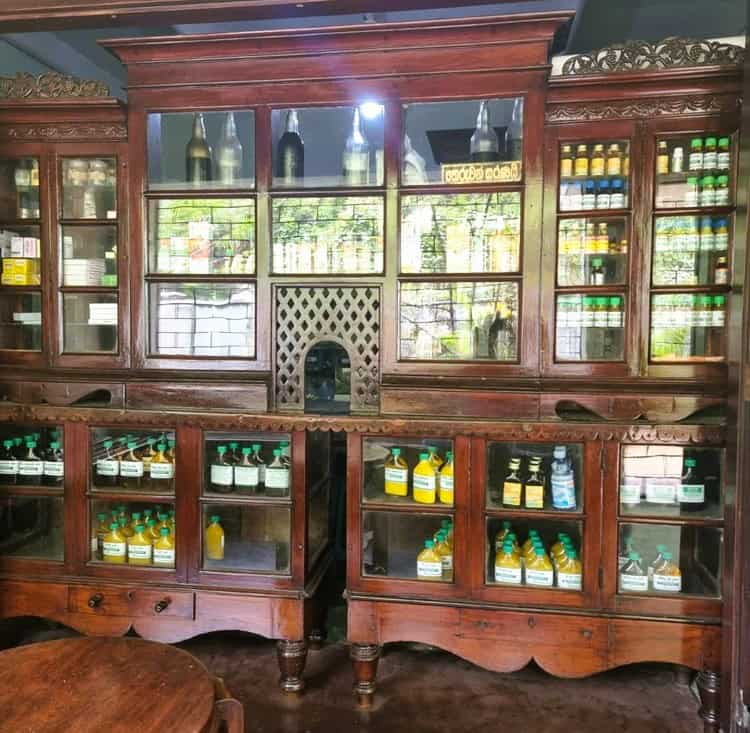
I’ve personally visited Ayurvedic doctors in Galle, Colombo, and even the tiny village of Beragala in the hill country. The clinics, often called surgeries, can sometimes look quite basic, but don’t let appearances fool you. The knowledge and care you receive can be exceptional.
Tip
How to choose an Ayurvedic Doctor
• Choose certified clinics or Ayurvedic hospitals with registered practitioners.
• Look for diagnostic consultations, not just spa-style massages aimed at tourists.
• If you’re seeking serious health support, always confirm that your practitioner is registered.
What to Expect from an Ayurvedic Doctor Consultation
Ayurvedic consultations usually include:
- Pulse and tongue diagnosis
- Thorough lifestyle assessments
- A personalized treatment plan
Treatments may involve:
- Herbal medicines and decoctions
- Traditional Ayurvedic therapies (like massage and steam)
- Dietary adjustments
- Yoga and breathing techniques
Ayurvedic Retreats
Deep Healing, Rooted in Tradition
If you’re looking for a deeper, more immersive experience, Ayurvedic retreats across Sri Lanka offer just that. These centres combine traditional wisdom with natural surroundings to support long-term healing and rejuvenation.
They offer a powerful way to reconnect, reset, and gently heal.
What to Expect at a Reputable Retreat:
- In-depth consultation with a licensed Ayurvedic doctor
- Personalized herbal medicines and treatment plan
- Sattvic meals (anti inflammatory, dosha balancing)
- Daily therapeutic massage (Abhyanga) or Shirodhara
- Yoga, meditation, breathwork, and intentional rest
- Gentle lifestyle coaching for post retreat wellbeing
- wellness habits
Whether you’re managing a chronic condition or simply looking for a wellness reset, staying at a reputable Ayurvedic retreat can be deeply transformative.
More Than a Spa Day: I think it’s important to say that unlike wellness resorts focused solely on pampering, authentic Ayurvedic retreats are medical and spiritual experiences rooted in centuries of holistic care. You will be cared for by doctors and the daily regime is tailored specifically around your health.
They’re especially beneficial if you’re:
- Living with autoimmune, neurological, or digestive conditions
- Experiencing perimenopause or menopause
- Recovering from stress, burnout, or overwork
- Seeking a way to rebalance gently without pharmaceuticals
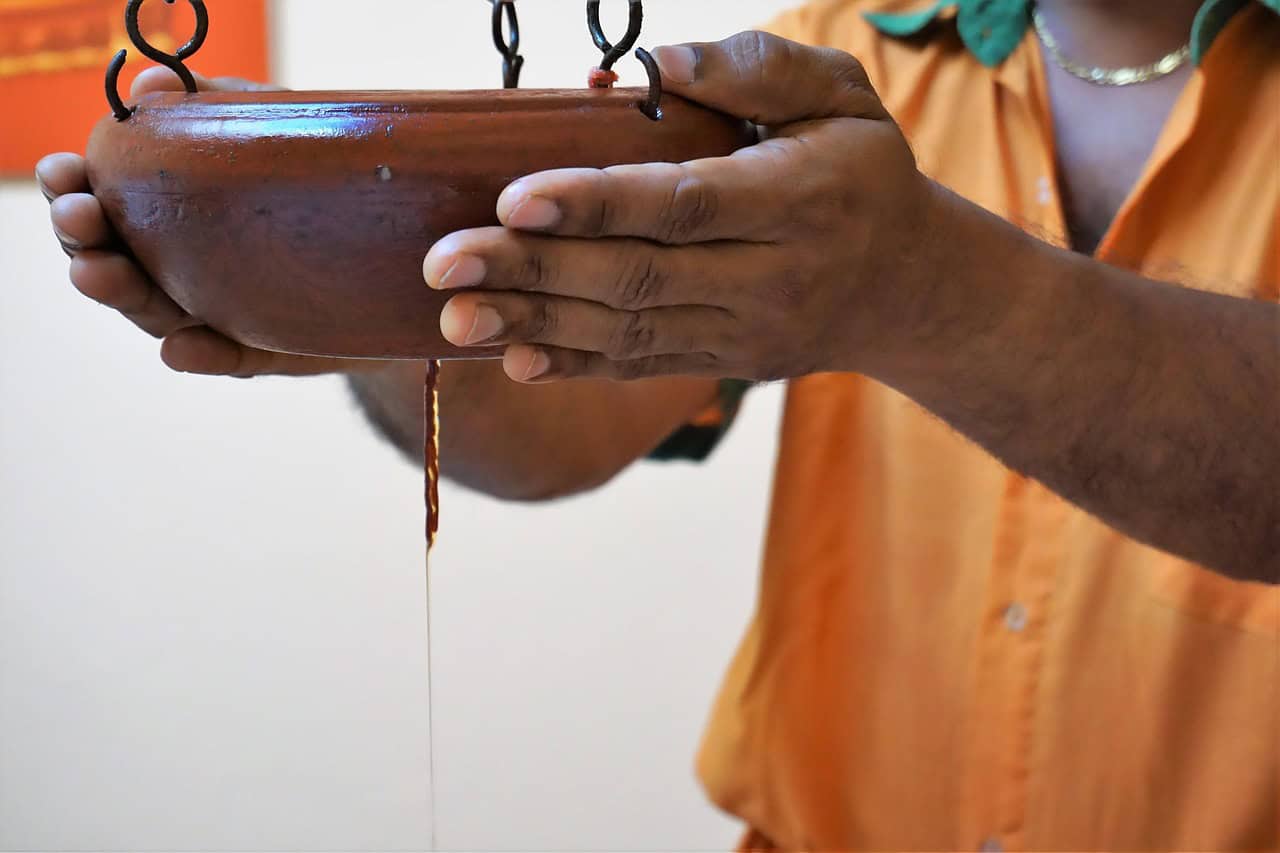
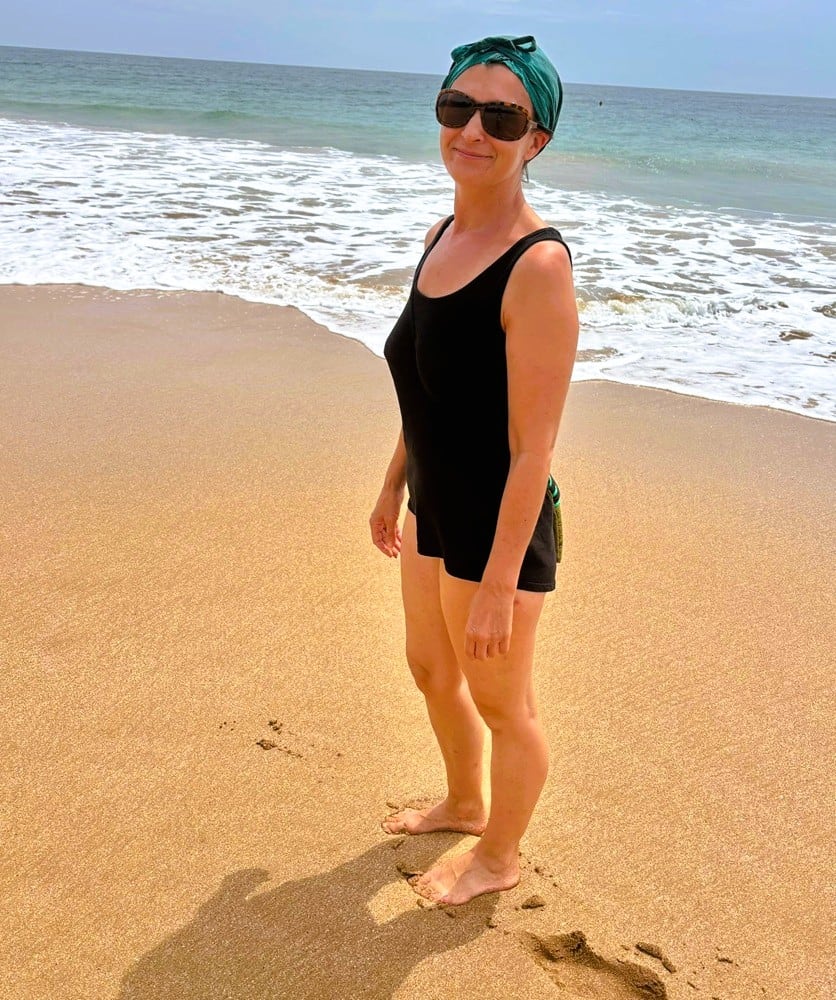
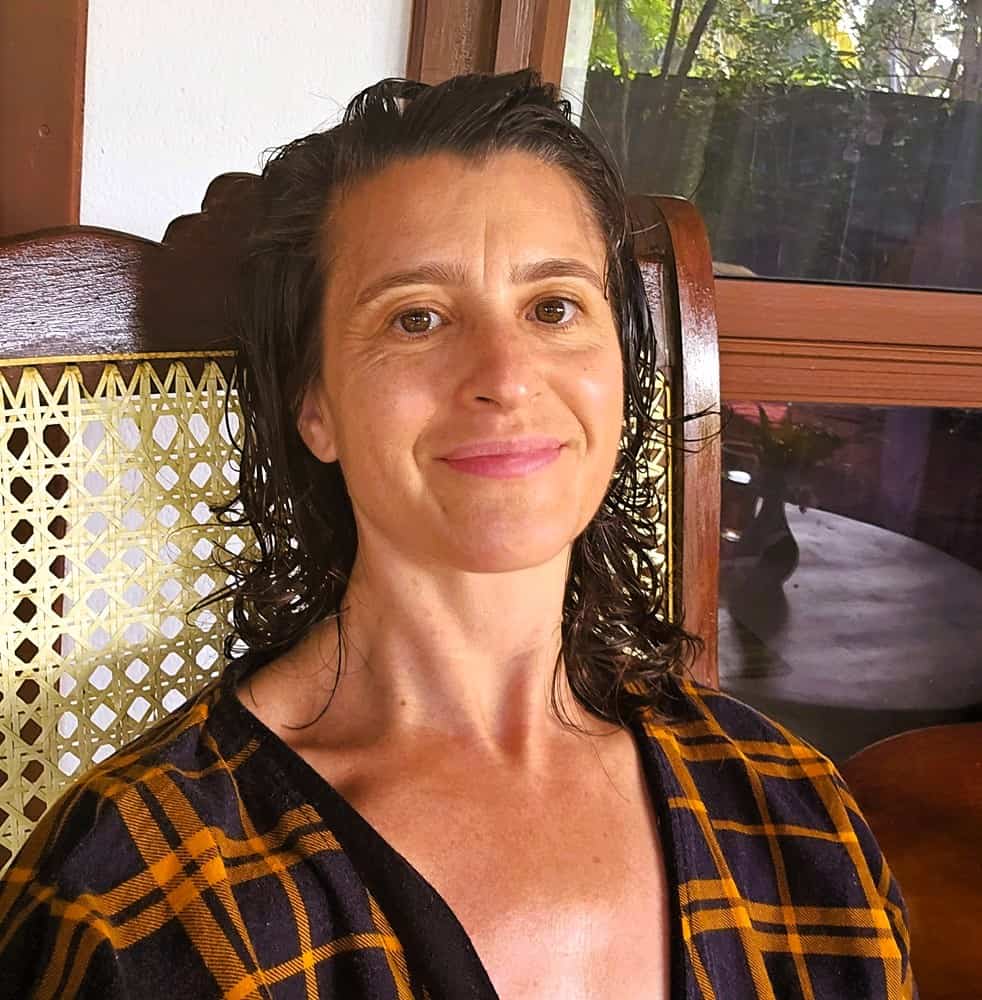
Review: A Budget Ayurvedic Retreat – Nature Lanka
My time at Nature Lanka, a traditional Ayurvedic retreat nestled next to the southern coast, was quietly life-changing.
From the thoughtful daily treatments to the soothing rhythm of the schedule, it allowed me to slow right down, embrace presence, listen to my body, and surrender to the care I was given.
🌸 If you’re navigating health challenges and long to feel cared for and rebalanced, I can’t recommend this kind of retreat enough.
Learn more
8. Nourishing the Body: Why Sri Lankan Food May Support Sensitive Diets and Wellness
fresh, in season eating
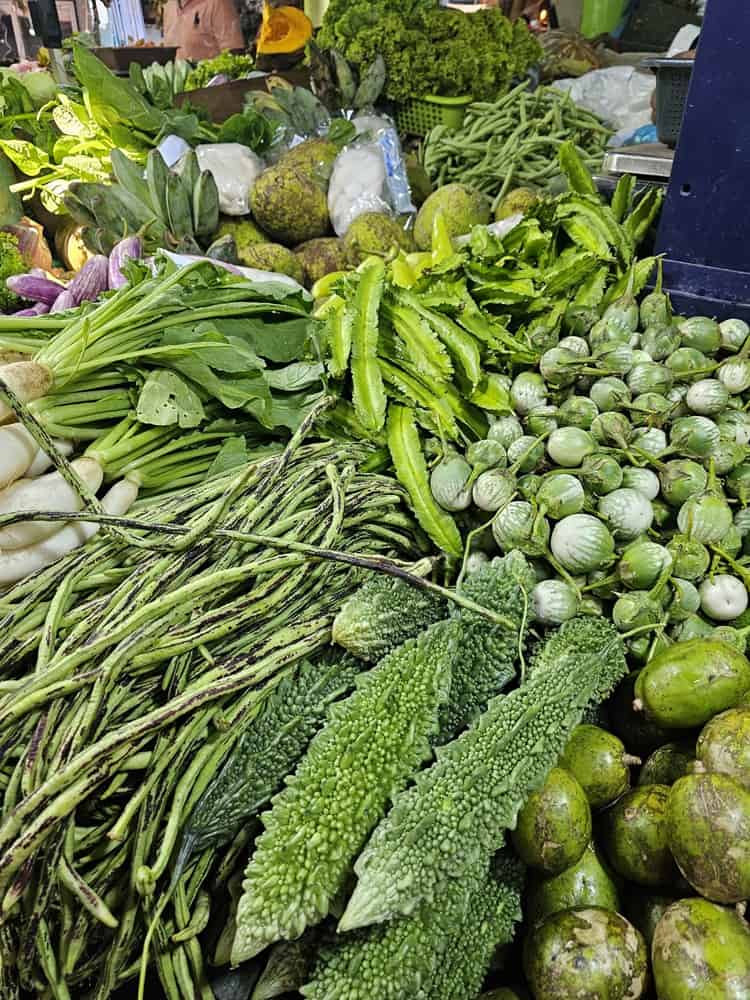
If you’re managing dietary sensitivities, digestive issues, or chronic inflammation, Sri Lankan cuisine can be naturally supportive.
Meals are often made from scratch, using whole, unprocessed ingredients – which is pretty rare these days. Many traditional dishes are:
- Naturally gluten free staples like rice, red rice, lentils (dhal), and an abundance of vegetables
- Dairy light options with coconut milk replacing cream or cheese
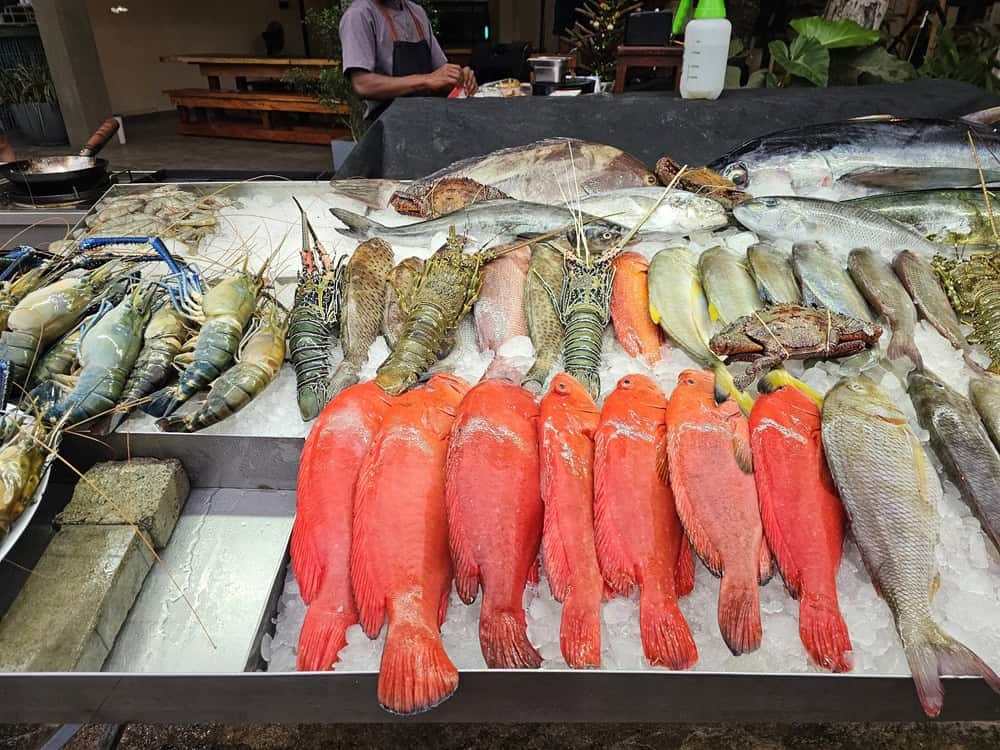
- Clean, fresh protein sources, especially local fish from Sri Lanka’s rich coastal waters
- Anti inflammatory ingredients such as turmeric, ginger, garlic, curry leaves, and mustard seeds
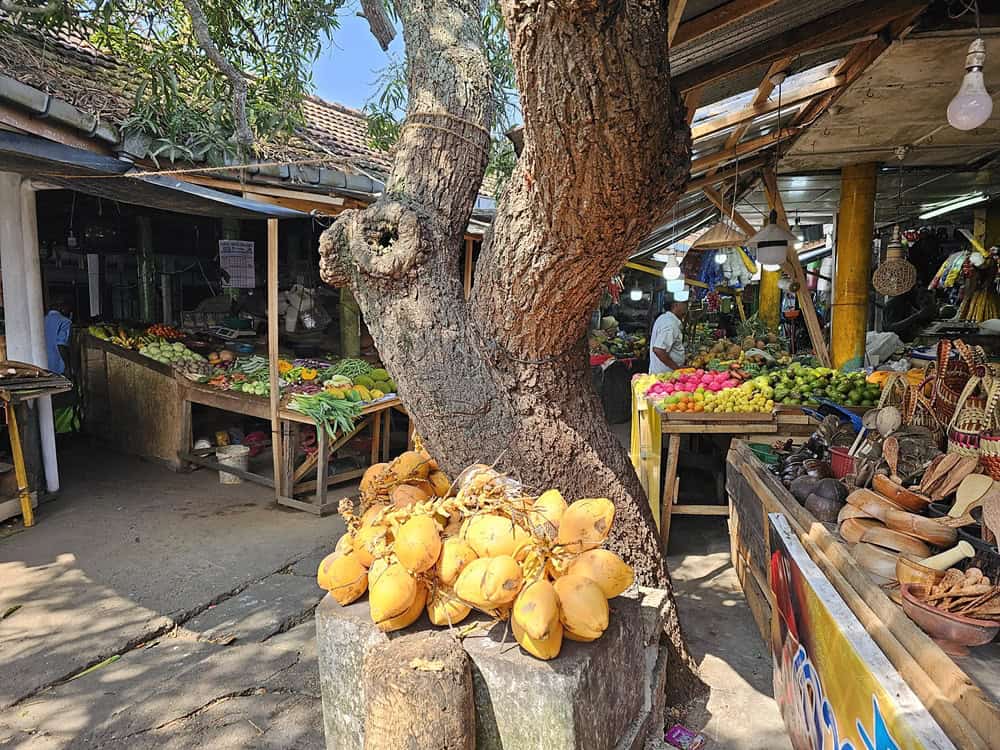
You’ll also find an abundance of tropical fruits – papaya, pineapple, mango, banana, wood apple and fresh coconut water, a natural and hydrating mineral boost, especially helpful on hot or low-energy days.
Ayurveda Woven into Everyday Food
One of the most unique aspects of eating in Sri Lanka is how Ayurvedic knowledge is woven into daily life, not just reserved for retreats or spa menus. I’ve eaten in countless homes and guesthouses where, without asking, someone has told me the healing or balancing properties of the dish I’m being served.
For example:
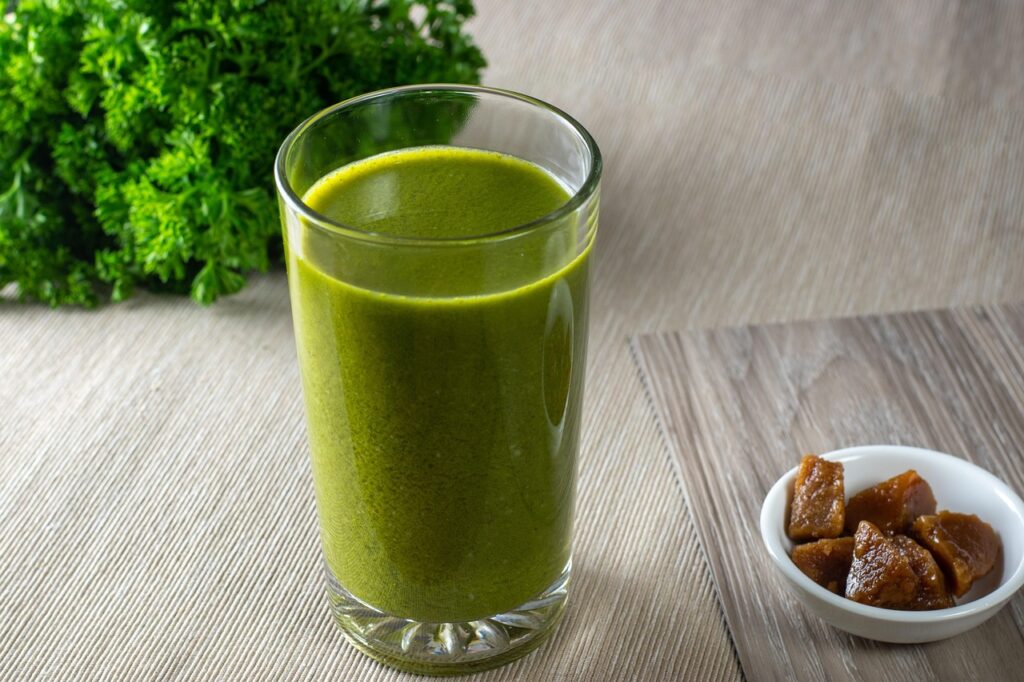
“Gotukola is good for your healing,” I was told by one host, who bought me a glass of warm kola kandha (herbal porridge with gotukola) every morning after I told her I was struggling with health issues.
This intuitive, respectful integration of food as medicine feels deeply supportive – especially when you’re managing chronic health challenges and looking to nourish yourself without needing to explain or justify your needs.
Dietary Needs? Just Ask
In tourist friendly areas, dietary preferences are easy to communicate. Many guesthouses and cafés are familiar with:
- No chili or mild spice
- No onion or garlic (common in Ayurvedic or low-FODMAP diets)
- Vegan or dairy free options
- Gluten free needs
Because meals are often cooked fresh to order, dishes can usually be modified easily and kindly, without judgment.
9. Safe and Welcoming for Solo Women 50+
Sri Lanka is widely considered a safe and welcoming for solo female travellers of all ages. Most locals are friendly, respectful, and eager to help. You’ll often find that people go out of their way to make you feel comfortable.
What Makes It Feel Safe?
- You’ll rarely be the only woman out and about alone – solo travel is common and accepted
- Locals are warm, community oriented, and quick to step in if something feels off
Common-Sense Safety Still Applies
As with any destination, it’s important to stay aware of your surroundings.
A few general tips:
• Avoid walking alone late at night in unfamiliar or poorly lit areas
• Be cautious on public transport – sit near other women or families when possible
• Politely decline unwanted attention; don’t feel obliged to explain yourself
• Trust your instincts – if something feels off, move away or speak up
A Personal Story: while writing this, I was trying to recall a time I felt unsafe in Sri Lanka – and I couldn’t.
The only uncomfortable moment I’ve had was on a crowded long distance bus, where a man behind me poked his fingers under the seat to try and touch my bottom. I turned around sharply, and the man sitting beside me immediately asked what was wrong. When I told him, he confronted the man, and the rest of the bus turned around to stare at him. Suffice to say, he got off at the next stop. It was uncomfortable, of course – but what stood out wasn’t the incident itself, but how quickly others rallied around me. That sense of support is what I remember most
🌸 Overall, whether you’re seeking healing, adventure, or quiet restorative time, you’re likely to feel supported, respected, and most importantly, safe throughout your journey.
10. Community and Emotional Support
Living with a chronic illness can sometimes feel isolating — but in Sri Lanka, there’s a deep sense of human connection that makes a real difference. People here are genuinely warm, attentive, and compassionate.
Whether it’s a shopkeeper offering you a chair, a guesthouse owner preparing a special meal, or a fellow traveller sharing tips over tea – acts of quiet kindness are common.
Even something as simple as being greeted with a warm “hello” or “ayubowan” as you walk down the street can lift your mood. It reminds you that you’re seen – and that small gestures of care still matter. In the UK, that kind of everyday warmth often feels rare, and it’s something I really miss when I’m in the UK.
Expat & Wellness Communities
There’s also a growing network of expats, wellness travellers, and digital nomads. It’s therefore easy to meet people who understand your pace of life – whether you’re working remotely, healing, or simply needing a space where you don’t have to explain your limitations.
🌸Sri Lanka is one of those places where you can show up exactly as you are – whether you’re thriving or struggling – and still feel gently held by the environment and the people around you.
11. A Wellness Culture That Feels Natural
rest, restore and reconnect with yourself
If you’re seeking a destination that gently supports healing – physically, mentally, and emotionally – Sri Lanka offers a rich, integrated wellness culture that goes far beyond spa treatments.
Rooted in traditions like Ayurveda, yoga, and meditation, wellness here isn’t a luxury—it’s part of everyday life. Whether you’re in the cool mountains or by the ocean, it’s easy to find spaces that support rest, restoration, and reconnection with yourself.
You’ll find a wide range of wellness offerings across the country:
- Yoga classes and retreats, from beginner to advanced, offered in peaceful settings
- Meditation classes, including Vipassana and Buddhist mindfulness practices
- Ayurvedic therapies focused on long-term healing (not just relaxation)
- Wellness retreats offering full programs with diet, treatment, movement, and rest
- Beachside sunrise yoga or breathwork sessions that help regulate the nervous system
Whether you want a full immersion or gentle daily practices, it’s easy to find something that fits your energy level.
🌸 In Sri Lanka, wellness doesn’t feel performative. It feels integrated, honest, and rooted in both nature and community. That’s what makes it so sustainable when you’re managing chronic health needs.
12. Buddhism: A Quiet Presence in Daily Life
acceptance & grounding
Sri Lanka is a predominantly Buddhist country, and that influence is quietly woven into everyday life. It’s not something that’s pushed on visitors, but rather something you feel—in the pace of life, the kindness of strangers, the stillness in the air.
Core Buddhist values like compassion, mindfulness, simplicity, and acceptance create a kind of emotional and spiritual spaciousness that can be deeply grounding—especially when you’re navigating illness or just seeking a slower, more present way of being.
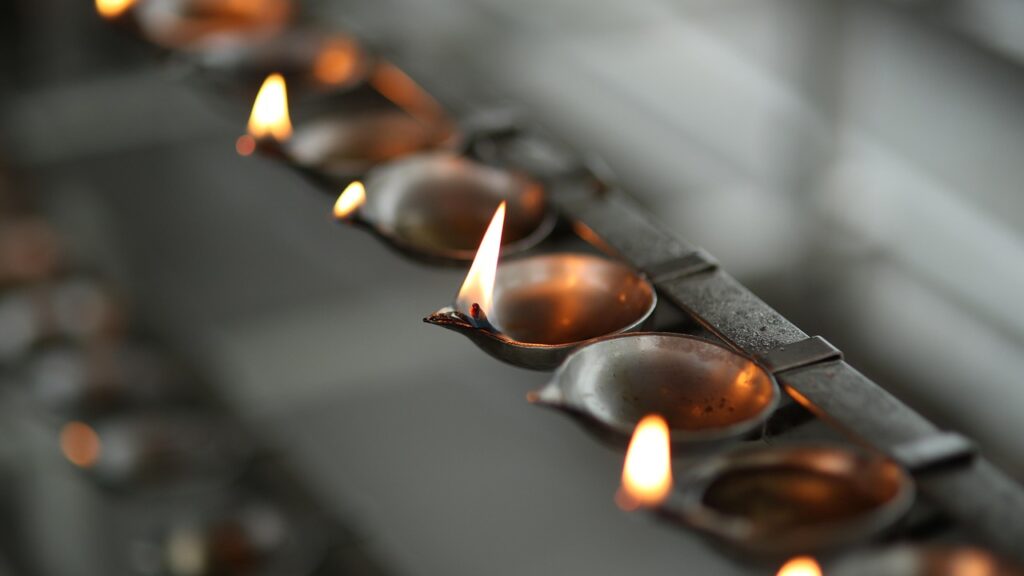
You’ll see temples and monasteries in even the smallest towns. It’s not unusual to hear soft chanting at dusk, see people pausing to light incense, or catch sight of an offering of lotus flowers left with care.
A Precious Moment of Presence
On a recent tuk tuk ride, my driver suddenly pulled over beside a small roadside temple. Without explanation, he stepped out, lit a joss stick, and prayed quietly for a few minutes. I followed, lighting my own joss stick, and took in the stillness before we carried on to buy a king coconut.
It was one of those simple, grounding experiences that stayed with me—a reminder of how naturally spirituality and daily life coexist here, without fanfare or pressure.
If you’re someone who finds comfort in ritual, reflection, or gentle mindfulness, the Buddhist influence in Sri Lanka may offer a deeply supportive backdrop to your journey.
How Buddhism Supports Wellness
- Many meditation practices taught here are rooted in Buddhist mindfulness
- Emphasis on non-judgment, acceptance, and presence aligns beautifully with healing
- Retreat centres and guesthouses often offer dhamma talks, silent mornings, or temple visits
- A quiet visit to a temple garden or stupa can offer deep stillness
🌸 For me, Buddhism adds a gentle softness to the whole Sri Lanka experience—it quietly encourages you to slow down, breathe, and simply be.
Final Thoughts…
Sri Lanka is more than a travel destination—it’s a space for healing, slowing down, and reconnecting with your body and health.
For women managing chronic conditions, it offers a combination of:
- Affordable accommodation
- Diverse landscapes within just a few hours of travel
- Access to modern and ayurvdedic healthcare
- Gentle natural beauty
- Fresh unprocessed food
- A culture embracing slower, mindful living
🌸 Here, you don’t have to push through your condition. You can travel gently, rest often, and still experience this beautiful country.
Too much to absorb in one go? Download the pdf
When I began writing this blog post I never expected it to be so long! A few people have asked if I have a downloadable copy, so I decided to create a condensed version of this blog post (still 39 pages!) with some reflective questions.
My aim with the questions are to help you decide on whether Sri Lanka might be the right location for you as a solo midlife traveller.
Inside you’ll find:
- Reflective questions to tune into your energy, capacity, and desires
- Honest prompts about climate, pace, food, and infrastructure
- Considerations for nervous system regulation and rest
- Space to explore what you truly need from a journey right now
- Gentle encouragement to choose what supports you — not what pressures you
Get the free Sri Lanka Travel Guide for Midlife Women
Important Considerations for Solo Travellers with Chronic Health Conditions
Important Realities to Keep in Mind
1, Inconsistent Infrastructure
Sri Lanka has made great strides in development, but it’s still classified as a lower middle income country. This means some infrastructure may fall short of expectations, especially outside major cities.
- Power cuts and unreliable internet can occur, especially in rural or coastal areas. These are improving but not yet eliminated.
- Rural roads may be poorly maintained, with potholes and steep inclines that make travel physically taxing. Roads in the highlands are also narrow and winding, which may increase motion sensitivity or fatigue.
Tip: Choose accommodations with backup generators, good road access, and confirmed high speed internet. Always ask, don’t presume especially with smaller guest houses and hotels.
Accessibility Limitations
Sri Lanka is not well equipped for travellers with mobility impairments or those who need consistent physical support.
- Many guesthouses, Ayurvedic centers, and attractions are located in colonial buildings or nature-based settings with steep stairs, uneven paths, or no railings.
- Public transportation (buses and trains) is often overcrowded, with limited seating and no priority access for those with disabilities or fatigue issues.
Tip: Book private drivers or taxis, and always inquire in advance about accessibility features at accommodations, restaurants, or wellness centres.
Who Might Struggle in Sri Lanka?
This destination may be especially challenging for:
- Travelers with severe mobility impairments who require step-free or wheelchair-accessible environments.
- People with heat sensitive chronic conditions, such as multiple sclerosis or adrenal disorders—unless they plan to stay in the cooler hill country regions (like Nuwara Eliya or Ella).
- Anyone who requires easy access to clean public toilets, as these are often scarce and not disability friendly.
Remember: Sri Lanka Is a Developing Country
While Sri Lanka offers stunning landscapes, rich culture, and warm hospitality, it’s important to travel with realistic expectations.
- Not everything will run on schedule or meet Western standards of comfort, hygiene, or efficiency.
- Flexibility, patience, and a sense of humour will go a long way – especially when things don’t go exactly as planned.
Tip: Embrace the experience, plan ahead for your health needs, and build in extra buffer time for rest and recovery. A little preparation makes a big difference here.
Blogs in the making
Join the Orchids to Olives monthly newsletter for gentle travel inspiration
For restorative destinations and thoughtful solo travel ideas if you’re navigating low energy, recovery, or chronic illness.
Related Blog Posts
Solo Travel with Chronic Illness: How to Reclaim Yourself at Midlife
The Unexpected Benefits of Travelling Solo with a Chronic Health Condition
A Destination Checklist for Women Traveling Solo with a Chronic Health Condition
On being a Digital Nomad with MS: An inspiring interview with Monica Lynne
Chronic Illness Travel Insurance: Comparing Staysure & Avanti for Pre-Existing Conditions
My descent into darkness and healing
I’d Love to Hear From You!
Have you travelled solo with a chronic condition? Or are you thinking about it? Feel free to share your thoughts or experiences in the comment section below.
If this post resonated with you, please consider sharing it with someone who might need this kind of encouragement.
Let’s keep in touch.
Join me for all the latest blog posts, reviews and updates.
Looking for some therapy? Visit Nomadic Wellbeing Services
Orchids to Olives
Journeys of self-discovery, wisdom, healing and friendship