Solo Travel with Chronic Illness: How to Reclaim Yourself at Midlife
Towards healing, Solo Travel with a Chronic Health Condition
Inspired by the healing wisdom of Gabor Maté
Can Solo Travel Help to Reclaim Your Identity – Even with a Chronic Health Condition?
What happens when you stop waiting to feel better — and start living as you are, right now?
Do you crave to travel alone, but fear around health issues holds you back?
What if the path you’re afraid to take is the one that leads you back to yourself?
This post explores how solo travel at midlife, with chronic illness, can become a powerful path to reclaiming joy, truth, and wholeness — inspired by the healing wisdom of Dr. Gabor Maté.
Why We Wait to Feel Better – and What Happens When We Don’t
Many of us put off dreams like travel, joy, or change because we’re waiting to feel stronger, more capable, or ‘well enough.’ But what if waiting is keeping us stuck?
Solo Travel Later in Life: A Path Back to Yourself
When you’ve been living with chronic illness, depression, or burnout, solo travel can seem like an impossible luxury. But it may actually be one of the most honest things you can do.

What Dr. Gabor Maté Teaches Us About Illness and the Self
The Body Knows – And It Remembers
Dr. Gabor Maté, physician and trauma expert, has spent decades exploring the deeper roots of chronic illness. He teaches that many autoimmune and chronic conditions are not just random misfortunes, but often the result of long-standing patterns: emotional suppression, chronic stress, over-responsibility, and disconnection from one’s true self.
“When we have been prevented from learning how to say no, our bodies may end up saying it for us.” – Gabor Maté
This doesn’t mean your illness is your fault. It means that your body has been trying to speak. And maybe—just maybe—it’s time to listen.
This post draws on Dr. Maté’s four key principles of healing – Authenticity, Agency, Anger, and Acceptance—to explore why solo travel, even in small ways, can be so profound.
It’s less about ticking off places on a bucket list. It’s about coming back to yourself.

When Life no Longer Fits: Navigating Change, Loss, and Identity
Solo travel at midlife and beyond – especially while navigating chronic illness, depression, or the lingering ache of heartbreak (I’ve had all three!) – isn’t about proving something to the world. It’s about reclaiming parts of yourself you may have lost: to illness, to breakups, to caregiving, to silence, to the shape of a life that no longer fits.
It’s about finding joy, spaciousness, and independence on your own terms.
My Own Journey: From Fatigue and Fear to Freedom
Who Am I Now?
In my own experience, living with chronic health issues and the slow-burn grief of depression, I often felt like I was watching my life from the outside. I had no clue who I was anymore. Heartbreak – whether from a relationship, from the body I once had, or from the person I thought I was supposed to be – left me with deep questions: Who am I now? What is left when the old map no longer applies? Where am I?
Books, Airports, Therapy: A Winding Path to Healing
My own ongoing journey of healing has taken many turns. I’ve found insight, and a slow way forward, in unexpected places: quiet morning walks after monsoon rains, therapy sessions, airport terminals, and in the pages of books that seem to arrive just when I needed them most.
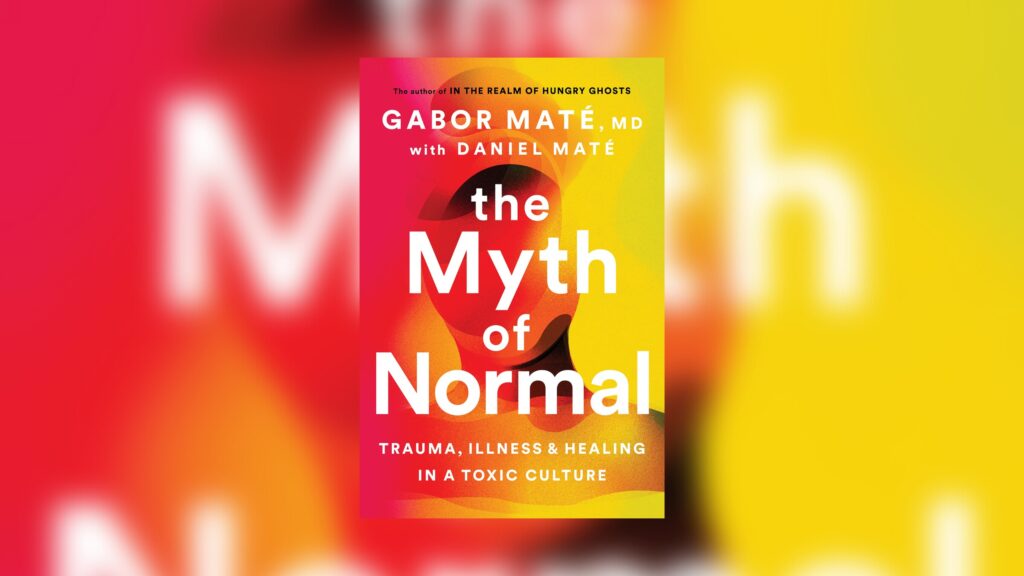
One book that stood out, especially in relation to chronic pain and mental despair, was The Myth of Normal by world-renowned trauma expert Dr. Gabor Maté.
The Four A’s: A Framework for Returning to Yourself
Through Maté’s work, I began to understand what had happened to my body, and why. If you’re unfamiliar with his work, I highly recommend The Myth of Normal or When the Body Says No, or even one of his many deeply insightful podcast interviews on the impact of trauma on our bodies, especially women’s bodies.
His framework for healing, the Four A’s: Authenticity, Agency, Anger, and Acceptance, wasn’t just intellectual. It gave shape to something I’d felt but couldn’t name: the idea that healing isn’t a far off destination that I needed to reach and all would be well. Instead it’s a relationship. A way of being with yourself, over and over, with tenderness and truth.
I’ve found these four principals of healing incredibly useful as a foundation for living – dots that join up to create a whole. They marked a turning point in my own healing journey and I return to them again and again.
You can read how I got to my turning point a year ago here.
So how do the 4 As relate to solo travel?
I won’t pretend that solo travel will heal all your pain, of course not, that would be silly. Whatever your situation – your health, your emotional terrain, your grief – it’s all part of an ongoing life story and solo travel may be one facet of that journey. There are no quick fixes, no silver bullets.
But if solo travel is something you quietly yearn for, and you’ve been holding yourself back out of fear, doubt, or the weight of ‘what if’ then I want to show you something.
Solo travel can offer you something much deeper than you might imagine.
Not a cure, but a kind of freedom…
a quiet whisper carried on the wind:
it’s time, to choose yourself,
and who can say what horizons that choice will open.
When we make one empowered choice, we send a message to our mind and our body that things are changing. We are moving towards a new way of being. And when we sending these powerful messages to our brain we begin to rewire our inner landscape – building new neural pathways that make courage more accessible, self-trust more familiar, and healing more possible.

The 4 A’s of Healing: A Map for the Journey
Dr. Maté offers four key pillars of healing – not just for illness, but for the soul:
- Authenticity
- Anger
- Agency
- Acceptance
These aren’t linear steps. They are living practices – especially meaningful for women who may have spent decades caregiving, suppressing, surviving, and being ‘strong.’
Let’s walk through each of them as they relate to your own healing and your call to travel solo. I’ll also provide a few tips of how you can incorporate them into your planning.
Authenticity: Travel As You Are
Authenticity doesn’t mean being the healthiest or strongest version of yourself. It means showing up as you are.
It means honoring the truth of your current reality – body, mind, limitations and all. When you travel alone, especially with illness, there’s no one to perform for. No need to mask the bad days or hide your fatigue. You’re free to meet yourself honestly.
This is a quiet revolution: giving yourself permission to be exactly who you are, wherever you are.
Solo travel becomes a mirror—not of who you once were or who you think you should be, but of the person you are becoming.
Solo travel offers you a rare chance to be completely honest — with yourself, your body, and your desires. You don’t have to keep up. You don’t have to pretend. You get to move at your own pace. Choose your own rhythm. Say yes to what truly nourishes you.
Tips:
- Choose destinations and accommodations that align with your current energy and limitations.
- Be honest about your needs — this is a form of authenticity.
- Create gentle rituals while traveling (e.g., tea on the balcony, journaling at sunrise) to stay rooted in your own rhythm.
Download my Destination Checklist to help you reflect on what you need from a location.
Agency: You Still Get to Choose
Chronic health issues can make life feel like a long series of limitations. But agency is about recognising the power you still hold – even if it looks different than before.
Agency says: ‘I am not powerless. I am the author of my life – and my journey.’
You choose where to go. How to go. How long to rest. What kind of trip reflects your needs now, not who you were 20 years ago and not what the guidebook says you must do.
There is quiet power in saying: This is what I can do, and I will do it with love for myself.
Tips:
- Consider travel that supports fluid planning—slow trains, open tickets, flexible bookings.
- Use assistive apps and tools (accessible tour groups, local guides familiar with chronic illness needs).
- Give yourself permission to change your mind.

Anger: Let the Fire Be a Compass
For many women, illness has been layered with years of dismissal — from doctors, families, society. Maybe you’re angry at how invisible your pain has felt and how lonely it feels (I have been). Maybe you’re angry at how much of your life you’ve spent trying to be ‘good’ instead of being real.
Anger is natural. But we’re taught to fear it. To suppress it. And when buried, it can turn inward – into shame, resentment, illness.
When acknowledged and honoured, anger becomes a torchlight. It reveals where you’ve been hurt and where your soul is calling for change. It can be clarifying. It shows you where your boundaries were crossed – and where your life wants to change.
Solo travel gives you space to feel your anger without apology.
Let that fire move you forward.
Let it be fuel – not for destruction, but for truth.
Feel it. Honour it. Let it guide you toward the life you want – one with space, care, and yes, pleasure.
Tips:
- Write a ‘rage page’ before your trip — a space to dump every frustration you’ve carried.
- Channel that energy into fierce self-advocacy when dealing with travel bookings, accessibility needs, or boundaries with family who may not ‘get it.’
- Let your travels be a kind of protest — quiet or loud — against the belief that your life should shrink with age or illness.
Acceptance: This Is the Body You Travel In
Acceptance is often confused with resignation. But it’s actually a doorway to peace.
When you stop battling your body and start befriending it, something shifts. You begin to see that this version of you – not the younger one, not the ‘healthier’ one – is still worthy of beauty, of joy, of movement through the world.
Travel can become an act of grace. A way of saying: I will meet life from exactly where I am.
You may need extra rest, mobility aids, medications, or flexibility. That’s not weakness. That’s wisdom.
Wholeness isn’t found in returning to who you used to be. It’s found in loving who you are now — tenderly, fiercely, fully.
Tips:
- Pack with deep self-respect: your comforts, your supports, your care items.
- Schedule in delight: a scenic view, a hot bath, a café with poetry books.
- Treat rest like a sacred pause, not a failure. Rest is part of the journey—not a break from it.
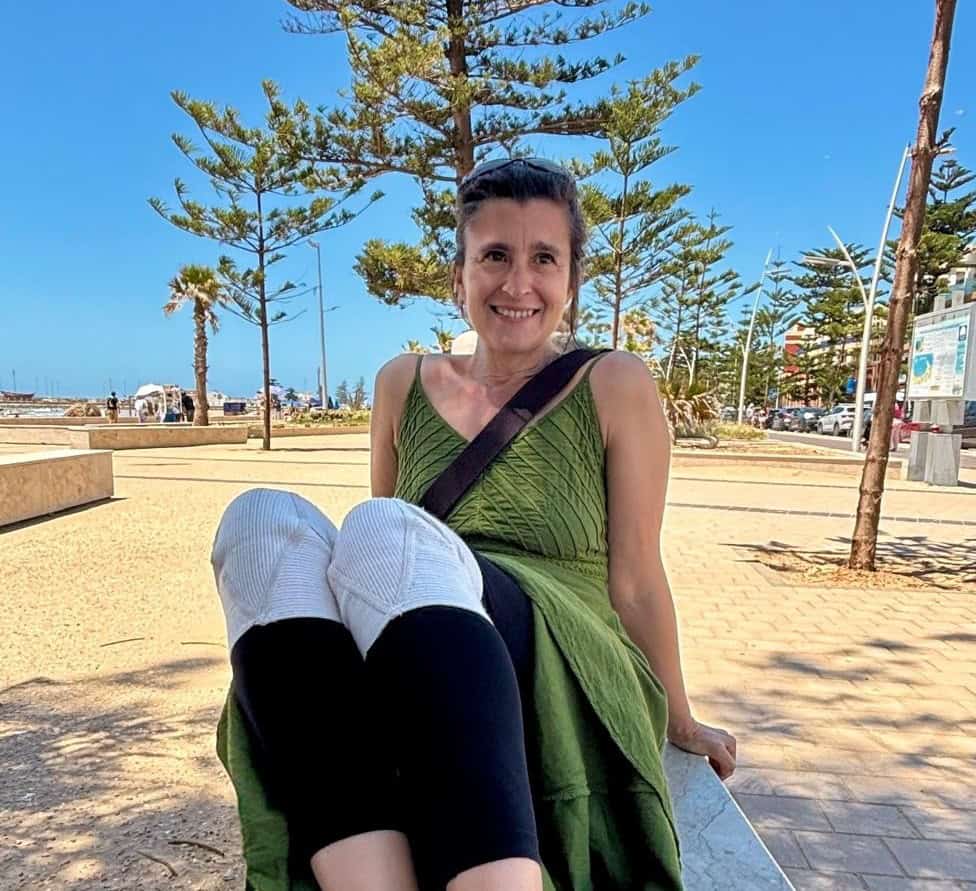

You deserve to see the world. Not just when you’re ‘better.’ Not just when others say it’s okay. But now. As you are. A perfect body is not required for adventure.
Let your solo journey be an act of radical self-love. Let it reflect your Authenticity. Your Agency. Your Anger. Your Acceptance.

Let’s begin planning…
Would you like a reflective destination checklist to help with planning?
Traveling solo with a chronic health condition invites you to choose places that reflect your values, needs, and energy.
This checklist is designed to help you get clear on what matters most — so when it’s time to pick a destination, you’re guided by intention, not overwhelm.
Use this checklist to explore your own preferences around comfort, challenge, support, and inspiration.
Blogs in the making
Coming soon: interviews with digital nomads & solo travellers who have chronic health issues
Sign up for all updates & blog posts
Resources:
I’ve mentioned some excellent books in this post, they are:
The Myth of Normal: Trauma, Illness & Healing in a Toxic Culture by Gabor Maté
When the Body Says No: The Cost of Hidden Stress by Gabor Maté
Podcasts/interviews: There are 100s of podcasts with Gabor Maté – just google!
Other recommended reading (not referred to directly in this post but are incredibly inspirational):
Cured: The Power of Our Immune System and the Mind-Body Connection by Dr Jeff Rediger
Beating Multiple Sclerosis: Empowering Stories of Self-Healing and Thriving by Agota Nawroth
Related Blog Posts
Travelling Solo with Functional Neurological Disorder (FND): From Fear to Freedom
The Unexpected Benefits of Travelling Solo with a Chronic Health Condition
A Destination Checklist for Women Traveling Solo with a Chronic Health Condition
On being a Digital Nomad with MS: An inspiring interview with Monica Lynne
My descent into darkness and healing
Return Home
Looking for some therapy? Visit Nomadic Wellbeing Services
Disclaimer: This guide is intended to support and inspire your solo travel planning with a chronic health condition but does not replace professional medical advice, diagnosis, or treatment. I am not a medical professional. Always consult your healthcare provider before making travel plans, especially regarding your health, medications, and any necessary vaccinations or travel clearances. Your safety and wellbeing are the highest priority.
I’d Love to Hear From You!
Have you travelled solo with a chronic condition? Or are you thinking about it? Feel free to share your thoughts or experiences in the comment section below.
If this post resonated with you, please consider sharing it with someone who might need this kind of encouragement.
Let’s keep in touch.
Join me for all the latest blog posts, reviews and updates.
Orchids to Olives
Journeys of self-discovery, wisdom, healing and friendship