Travelling Solo with Functional Neurological Disorder (FND): From Fear to Freedom
My journey with FND has taken me across continents — and deep within myself
You may not have heard of FND, but it affects thousands of people worldwide.
It blurs the line between mind and body, creating very real symptoms that medicine is only beginning to understand.
What began as the most frightening time of my life became an unexpected invitation to live and travel differently.
What is Functional Neurological Disorder (FND)?
Travelling with a neurological condition like Functional Neurological Disorder (FND) is far from straightforward. It’s not just about coping with symptoms on the road — it’s about navigating a condition that’s still widely misunderstood, even within the medical world.
FND occurs when the brain and nervous system struggle to send and receive signals correctly. The body reacts as though something is physically wrong, but scans and tests often come back normal (as they did in my case).
Symptoms can include:
- Limb weakness or numbness
- Tremors or seizures
- Problems with balance and walking
- Problems with speech
- Sensory overload, fatigue, and pain
For some people, symptoms last a few weeks; for others, they can persist for months or years, sometimes fluctuating without warning.
Because it doesn’t fit neatly into a single diagnosis, FND is notoriously difficult to identify. Many people spend years being referred from specialist to specialist before finally receiving a diagnosis.
Awareness of FND is limited, even among medical professionals. Yet, it’s now recognised as one of the most common reasons people visit a neurologist. Around 4 to 12 people in every 100,000 are diagnosed each year — and that number is steadily rising as understanding improves.
Up until recently, research into FND has been limited due to the lack of clear biological markers. But as new studies emerge, the picture is slowly changing. What remains clear is that the impact can be deeply debilitating — physically, emotionally, and mentally.
And yet, life doesn’t stop.

My journey with FND
My own experience with Functional Neurological Disorder began three years ago, during one of the most upsetting periods of my life. I go into more detail about this here.
In brief, after a sudden breakup, I lost the ability to walk unaided almost overnight. It felt as though my feet were no longer connecting with the ground — as if my legs had forgotten what to do. My balance vanished, numbness crept up my legs into my pelvis, and I even struggled to know when to pee.
Within two weeks, I had two episodes like this, one lasting a few days and another lasting about a week. I was in Italy at the time and spent a week in hospital. Every test came back clear. The neurologist told me it was likely due to stress.
It was terrifying and confusing — how could stress make my body stop working?
That was the start of my three-year (and counting) journey with FND.
Thankfully, those acute episodes of being unable to walk haven’t returned. However, I have been left with daily symptoms that have not gone away. These include:
- heavy legs, as though I’ve run a marathon
- burning & numbness in my legs
- pressure in my lower spine (I even had a hysterectomy as it was thought fibroids could be causing the pressure – it didn’t help).
- sporadic numbness in my mouth and arms
- tripping & balance issues
- IBS

Two neurologists mentioned FND early on, but I didn’t take it seriously at first. I was convinced I had MS and I couldn’t get my head around the idea that such real, frightening symptoms could come from something “functional” rather than structural.
My search for answers took me across four countries — each time seeing new specialists, each time hoping for clarity.
It wasn’t until one neurologist sat me down and carefully explained the condition that it started to make sense. He told me something I’ve never forgotten: accepting the diagnosis is part of healing.
Why I Chose to Travel Solo with Functional Neurological Disorder
Travel has always been a big part of my life. Over the past three years, since developing FND, I’ve spent a great deal of time travelling alone. It hasn’t been easy. Alongside managing a new and unpredictable health condition, I was also grieving the loss of a relationship.
But there’s something important I want to share about why I still choose to travel solo.
Even before I fully accepted my diagnosis, I knew deep down that my mental and emotional health had a huge role to play in my physical wellbeing. I could feel that healing wasn’t just about my body — it was about nurturing my spirit too. And I knew that confining myself to the UK, staying safe and small, wasn’t going to help me recover in the way I needed.
For me, travel has always been home – it’s where I feel a sense of belonging and it’s where I feel I am living in alignment with my soul.
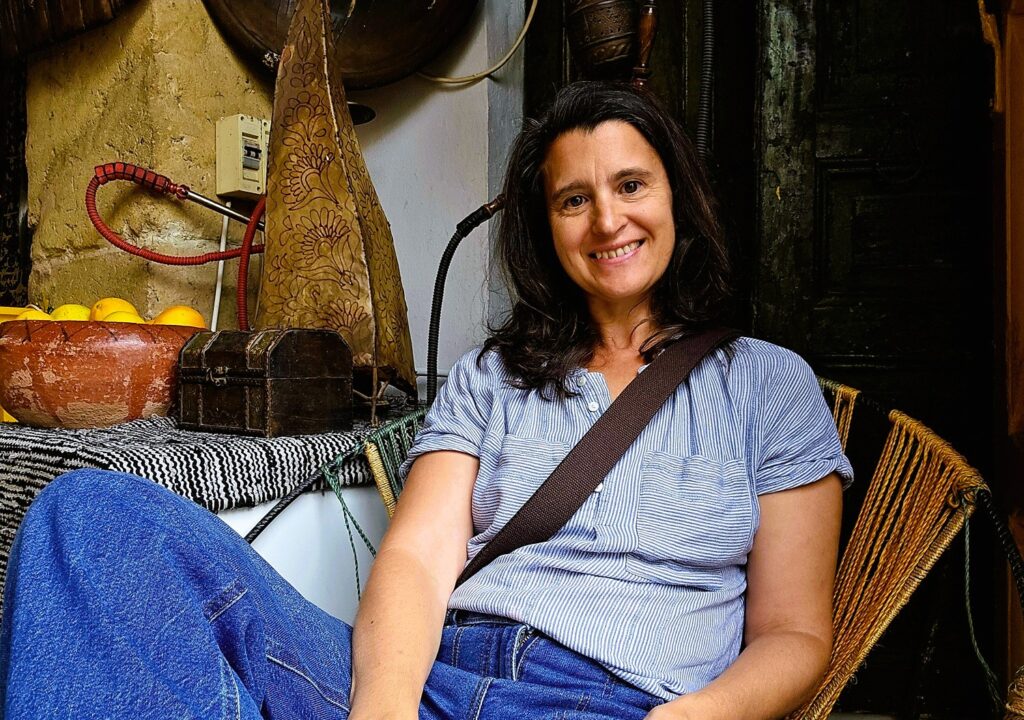
So, I did something that might sound risky to some: I travelled — and not just travelled, but travelled solo.
For me, solo travel became about:
- Freedom — moving at my own pace, making choices that supported my body and mind
- Reconnection — rediscovering joy, curiosity, and the world around me
- Courage — proving to myself that life with FND could still be rich and full of possibility (even though in first couple of years I felt incredibly fragile)
- Meeting new people – who helped restore my faith in kindness
Of course, it hasn’t always been smooth. There have been very difficult days, moments of exhaustion, and times when I’ve questioned what I’m doing.
But each trip has taught me something new about resilience, self-trust, self-awareness and the art of really slowing down — lessons I might never have learned if I hadn’t taken that first step into the unknown.
Solo travel, though challenging, has become a way for me to reclaim independence and confidence — proof that even when my nervous system misfires, my travelling spirit doesn’t have to fade.
Understanding the Mind–Body Connection
Even before I accepted my FND diagnosis, I immersed myself in learning — reading, listening, and reflecting.
Books that explored the mind–body connection, like The Myth of Normal and When the Body Says No by Gabor Maté, helped me see illness in a new light — that many physical conditions, not only autoimmune diseases but also neurological ones like FND and many other chronic illness can be deeply influenced by mental health, trauma, and chronic stress.

In many ways, this wasn’t new knowledge to me — I’d always believed in holistic health. But it’s an entirely different matter when you find yourself in the midst of illness, when theory becomes lived experience, and the words you once understood intellectually now pulse through your own body.
Looking back, it all began to make sense. Years of emotional instability — a challenging marriage in my 20s and 30s, money struggles, working too much, divorce, self-doubt, insecurity, shame, and an inability to express anger — had kept my body in a near-constant state of stress, flooded with cortisol, the body’s main stress hormone.
Though my 40s brought greater calm and a sense that life was finally coming together, the unexpected then happened — a breakup that tore through the fragile peace I had built. It was as though my body could no longer bear the weight of unprocessed emotions, and it simply shut down.
My body was saying no.
That was the moment FND entered my life.

Could I heal myself?
I began to believe that if my emotions had played a role in triggering my physical symptoms, they could also be part of my healing.
Gabor Maté’s Four As of Healing — Authenticity, Anger, Acceptance, and Agency — resonated deeply with me. They became guiding principles in how I approached recovery, travel, and life itself.
➡️I’ve written more about Gabor Maté’s Four As of Healing here
These principles have shaped every decision I’ve made since — including my choice to take healing into my own hands and follow the path that felt true to me.
Solo travel became a way of practising:
- Authenticity – by being true to what I needed and what nourished me;
- Acceptance – by meeting my body where it was each day;
- Agency – by making choices that were aligned with my values
- Anger – by allowing myself to feel what I’d long suppressed — and letting those emotions finally move through me.
More recently, I’ve continued to explore books along the same theme, such as Cured by Dr. Jeff Rediger and Anatomy of the Spirit by Caroline Myss. These books have been highly inspirational and confirmed many of the beliefs I’ve been developing on my journey.
Each new book/podcast reinforces the idea that emotional, spiritual and physical healing are deeply interconnected, and that the path is ongoing, evolving, and uniquely personal
Travelling Slowly — Finding Healing Through Movement and Stillness
And so, I travelled — slowly.
It wasn’t about ticking off destinations or chasing adventure; it was about rebuilding trust in my body and myself. I’ve spent time in Malaysia, Thailand, Sri Lanka, Morocco, and now as I write this, Tunisia — staying in each place for months rather than weeks. I embraced slow travel: being and living in a location rather than just passing through.
Slow travel has allowed me to:
- feel the natural ebb and flow of daily life
- sit quietly in cafés and observe the world
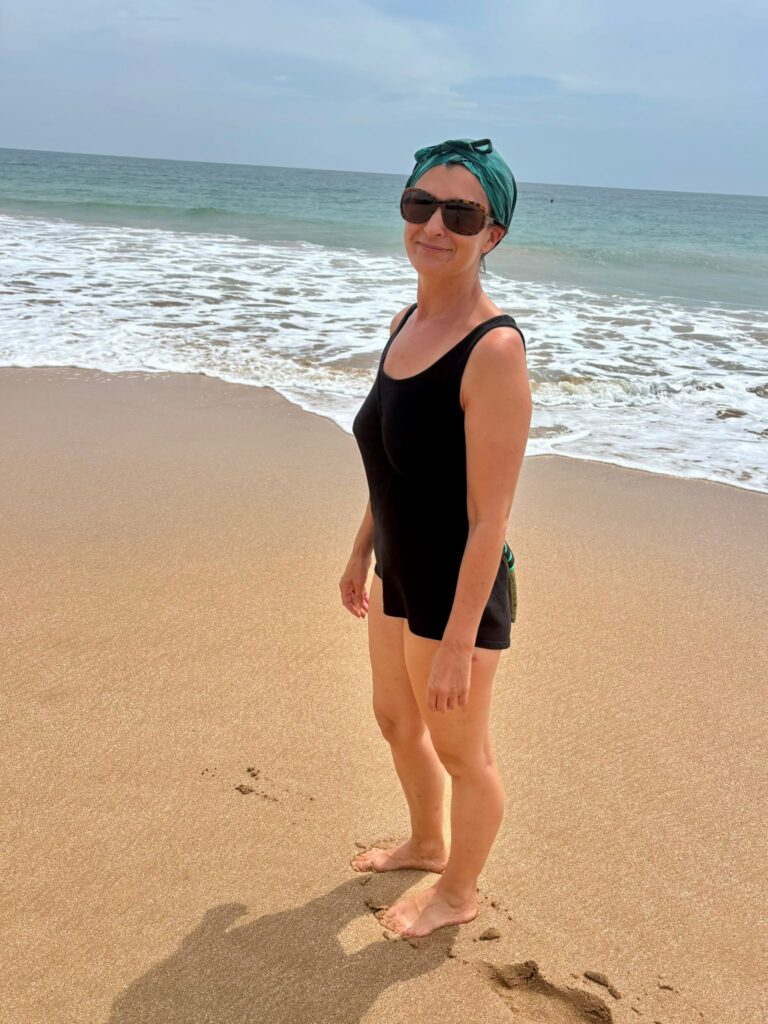
- walk barefoot on the sand and let the ocean steady my nervous system
- eat local, fresh food that nourished my body
- explore gentle wellbeing practices — yoga, meditation, breathwork, journaling, rest
- immerse myself in the healing power of nature
- be in warmer climates – my body responds poorly to the cold, and the heat seemed to soothe both my muscles and my nervous system.
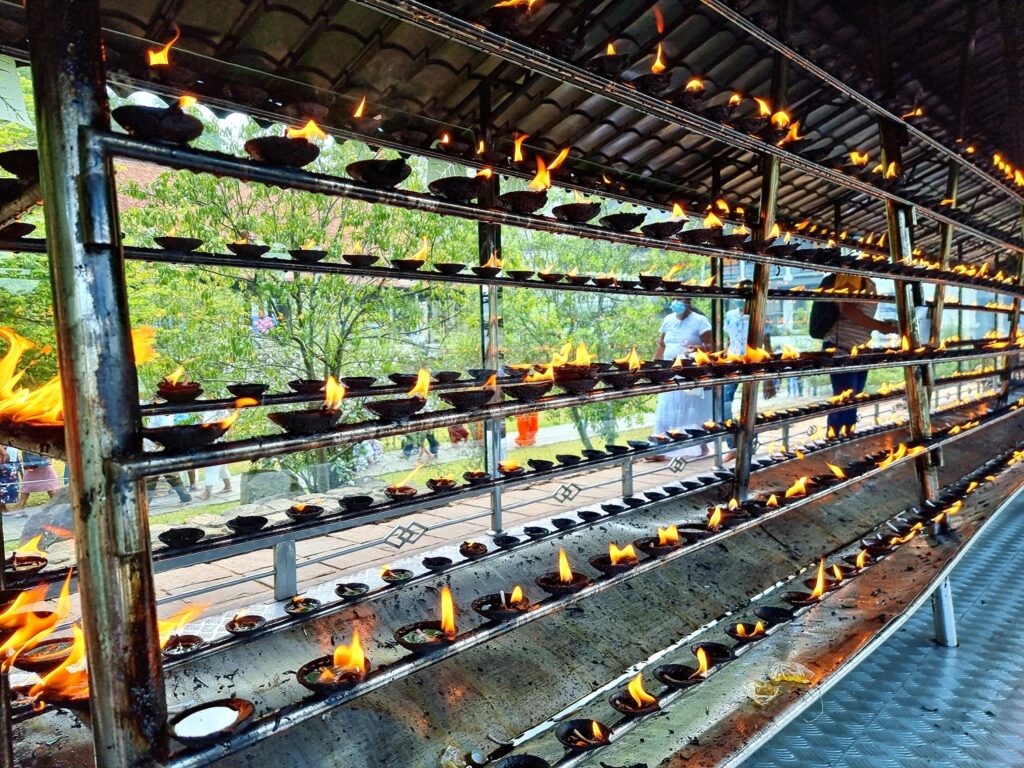
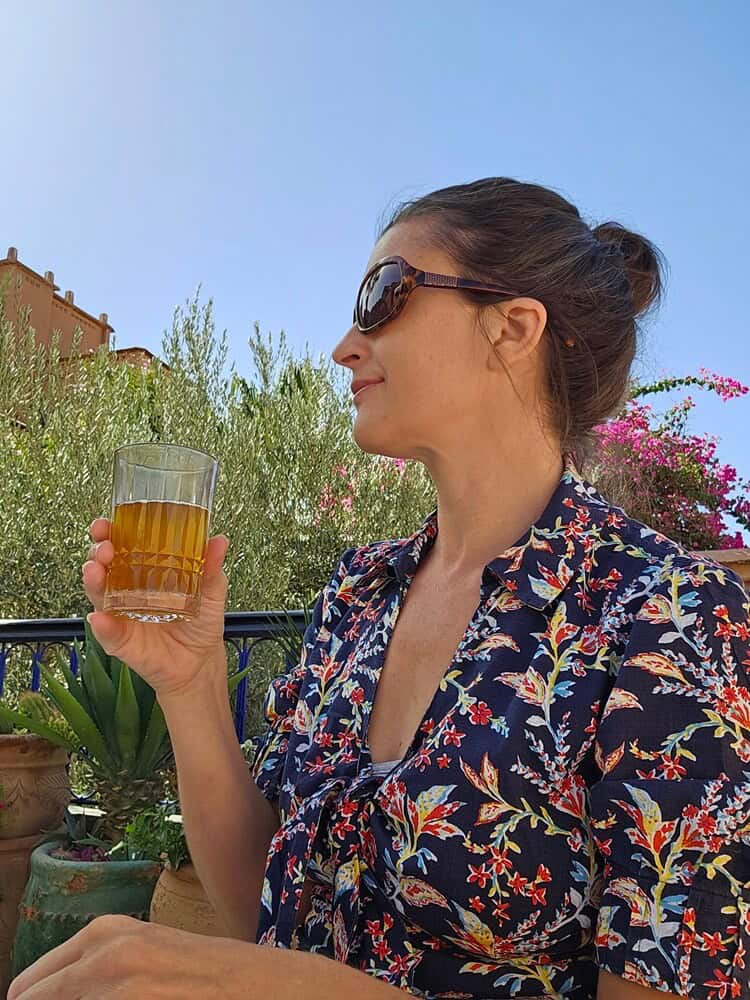
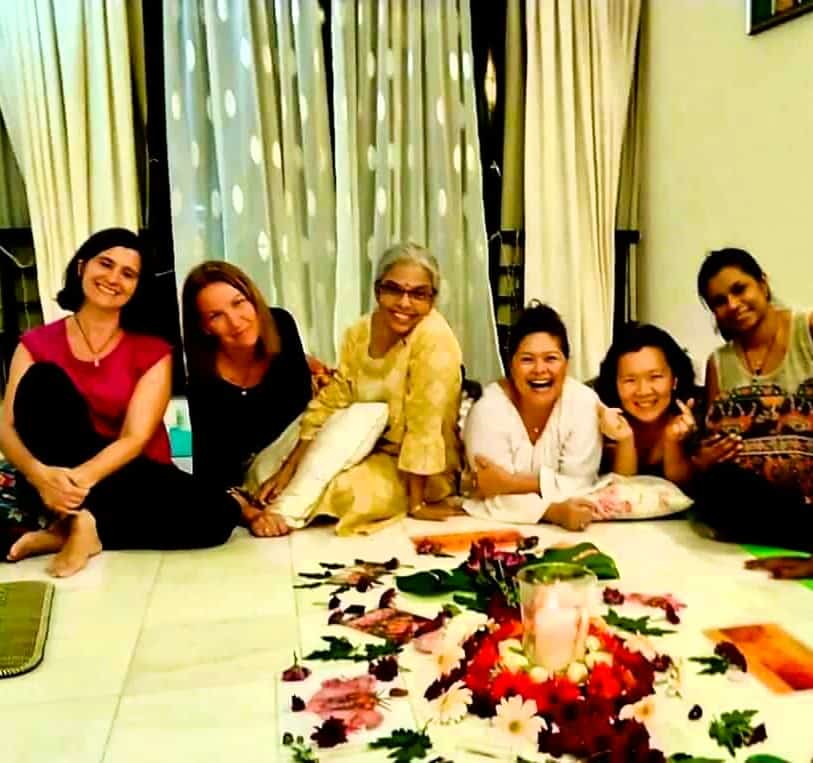
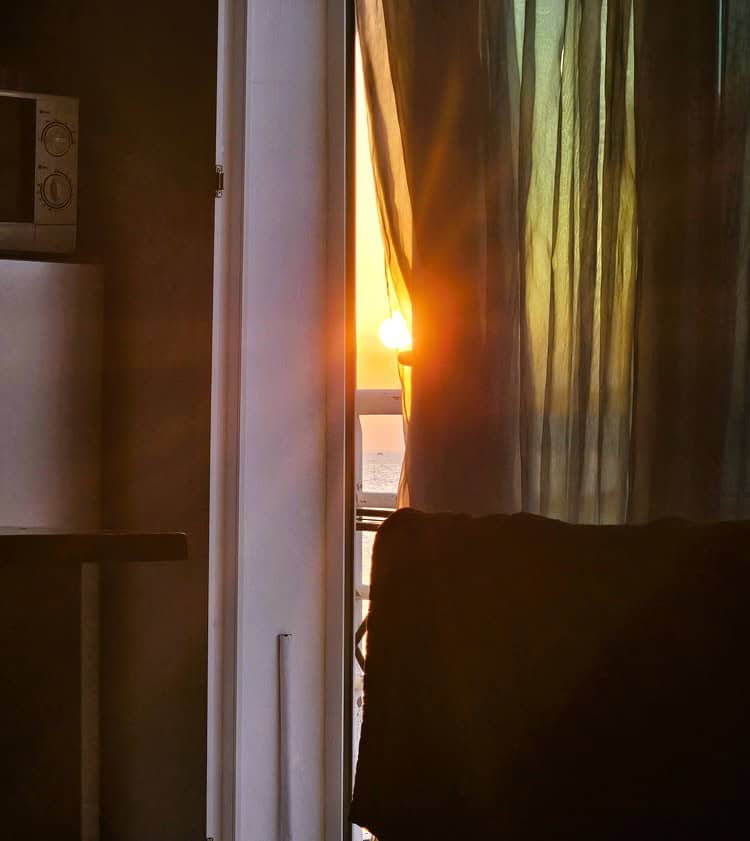
Each country offered its own kind of medicine: the warmth of community in Sri Lanka and Malaysia, the vibrancy of colours and energy in Morocco, the calm of the sea in Tunisia. Over time, I noticed subtle shifts — more balance, less fear, and a quiet sense of belonging wherever I was.
There has never been a plan — only a willingness to flow and surrender to what my heart, body, and soul needed at each stage. This journey has been less about seeking new places and more about coming home to myself.


How I Manage FND While Travelling
Travelling with FND requires patience and deep awareness of my body’s needs.
Over the past three years, I’ve learned to listen to my nervous system and give myself permission to travel differently from others.
Here’s what works for me:
1. Embrace Slow Travel
I stay longer in each place — months rather than weeks — so I can truly settle in. This allows my body and mind to adapt to a new environment without constant strain, and gives me the space to rest when needed.
2. Listen to My Body
Every day, and throughout the day, I check in with how I feel physically and emotionally. If I’m tired or my symptoms are flaring, I rest. Sometimes that means cancelling plans or taking a slow walk instead of a long excursion. Honouring my limits is not failure — it’s essential.
3. Plan Flexibly
I don’t over-schedule my days. I allow for unpredictability and leave gaps for rest or downtime. Having a rough outline — rather than a strict itinerary — helps me stay present and reduces anxiety.
4. Mindful Movement and Wellbeing Practices
Gentle movement, yoga, or simply walking barefoot on the sand helps me maintain balance and ease tension. Meditation, breathwork, journaling, and mindful observation of my surroundings keep my nervous system regulated.
5. Seek Out Wellbeing and Holistic Experiences
Whenever possible, I explore local wellbeing and holistic centres. In Malaysia, I experienced Traditional Chinese Medicine; in Penang, holistic healing therapies; in Sri Lanka, Ayurveda and in Morocco, hammams and massages.

6. Practical Comforts
I carry small comforts that help me manage symptoms: supportive shoes, ear plugs for sensory overload, essential oils and tools for relaxation. These make unpredictable days more manageable.
➡️ See my Travel Wellbeing Packing Essentials for Midlife Solo Women with Chronic Illness
7. Mindful Eating: Enjoy Local Food
I make a point to eat local, fresh food wherever I am. It nourishes my body, supports digestion, and connects me to the culture around me. Slow meals, seasonal ingredients, and mindful eating become part of my rhythm — grounding me and keeping my nervous system calmer.
7. Emotional Awareness
Travel has taught me that my emotions and physical health are deeply intertwined. I honour my feelings, express them safely, and remind myself that it’s okay to have difficult days. Acceptance, authenticity, agency, and allowing myself to feel anger — the Four As I’ve embraced — guide me even while on the road.
8. Connect With Others
Even solo travel doesn’t mean isolation. I reach out to friends, fellow travellers, or local communities when I need support. A friendly conversation or shared meal can do wonders for wellbeing.
9. Use Local Healthcare When Needed
I’ve learned that healthcare in countries like Malaysia, Sri Lanka, and more recently Tunisia, can be not only excellent but also very affordable.
Knowing that reliable care is available gives me peace of mind while travelling. Of course, I still take out travel insurance, but having access to local healthcare reduces stress and allows me to feel safer exploring new places.
10 . Make Use of Local Transport
One of the great things about travelling in many countries is the availability of affordable local transport. In Malaysia, I rely on Grab taxis; in Sri Lanka, tuk-tuks; in Morocco, petit taxis.
Before FND, I prided myself on walking everywhere. Now, I’ve learned to accept — and even welcome — the ease of hopping in a tuk-tuk or taxi to run errands, explore a neighbourhood, or get to a market. It saves energy, reduces strain on my body, and lets me enjoy the journey without pressure.
Travelling with FND isn’t about ignoring symptoms or pushing through at all costs. It’s about creating a rhythm that honours your body, respects your mind, and allows you to still explore, connect, and enjoy life.
Over time, I’ve found that this approach not only makes travel possible, it makes it deeply nourishing — body, mind, and soul.
Has my body healed?
No, though the heaviness in my legs has eased slightly, and the numbness no longer shadows every day, and I now mostly have a handle over IBS symptoms. However, stiffness and burning in my legs and pelvis is still very much resident, as is the numbness in my mouth which feels like little daggers in my gums (not nice)!
But I think the truer question isn’t whether my body is “fixed,” but whether I feel whole within myself. That, to me, feels far more important. And where, I believe, physical healing will come from.
I’ve learnt not to rush myself, not to get frustrated with my body. It took many years, for the impact of emotional stress to manifest in my body and I was also grieving a relationship. So, now my body is slowly relearning a new way of being, one with a foundation of calm and authenticity.
It has taken a great deal of work to feel a growing sense of wholeness, not just through travel but through — awareness, meditation, quiet reflection — a willingness to sit with discomfort. At first, I crashed crashed a lot, lay on my bed and cried in complete despair. However, I’ve kept at it.
Slowly, almost imperceptibly at first, I began to feel a shift in my mental wellbeing. I started to feel stronger, lighter, more present. At first, it was just fleeting hours of lightness, but this slowly stretched into days, and then into weeks — signs that healing was quietly taking root.
Joy finds me in the smallest moments. I am learning, day by day, to simply be here — in the now.
Through loss, I’ve found unexpected gain; through struggle, a resilience I never knew I possessed.
So yes, in my heart, I am moving toward healing. And perhaps that is the truest measure of all — not perfection, not a return to my pre-FND body, but presence, strength, and the courage to live fully. With that, the future feels open — full of possibility.

Are you considering solo travel with FND?
Here are a few tips that may help guide your journey.
My Personal Tips for Solo Travel with Functional Neurological Disorder (FND)
1. Embrace Slow Travel
Slow travel allows for rest, reflection, and a deeper connection to your surroundings.
2. Listen to Your Body
Check in daily with how you feel. Rest when needed. Honour your limits without guilt. Cancelling plans or choosing gentler activities is not failure — it’s self-care.
3. Plan Flexibly
Have a loose itinerary rather than a strict schedule. Leave gaps for downtime and unexpected changes. Flexibility reduces stress and allows you to be present.
4. Incorporate Mindful Movement and Wellbeing Practices
Gentle movement, yoga, meditation, journaling, or barefoot walks help regulate your nervous system. Find routines that calm and center you.
5. Seek Out Local Wellbeing and Holistic Experiences
Explore therapies like Traditional Chinese Medicine, Ayurveda, or local meditation and yoga classes. Alternatively, book a retreat – there are so many wonderful one’s available. These experiences can support both physical and emotional wellbeing.
6. Prioritize Comfort and Practicalities
Pack supportive shoes, water, snacks, and small relaxation tools like meditation apps, a weighted shawl, or a neck pillow. These small comforts make travel days more manageable.
7. Eat Mindfully
Local, fresh, and seasonal foods nourish the body and can help regulate digestion and energy levels. Take time to eat slowly and enjoy the experience.
8. Emotional Awareness
Acknowledge your feelings, both positive and difficult. Accepting emotions, allowing yourself to express them, and practising self-compassion supports healing even while travelling.
9. Connect with Others
Even solo travel doesn’t have to mean isolation. Reach out to friends, fellow travellers, or local communities for support, conversation, and shared experiences.
➡️ Join my Facebook Group for Solo Travellers with Chronic Health Conditions
10. Use Local Healthcare When Needed
Know your options for medical care. many countries have excellent, affordable healthcare. Travel insurance is still essential, but knowing care is accessible brings peace of mind.
➡️ Ensure you take out travel insurance that covers pre-existing conditions.
11. Make Use of Local Transport
Affordable transport options like Grab taxis, tuk-tuks, or petit taxis help conserve energy, reduce strain, and let you explore without overexertion.
12. Be Gentle with Yourself
Healing with FND is rarely linear. Celebrate small wins, practice gratitude, and remember that the journey — not perfection — is what matters.
Your Pre-Trip Checklist for Solo Travel with FND: Preparing Mind, Body, and Spirit
Travelling solo with Functional Neurological Disorder (FND) takes a little more preparation — but with care and planning, it’s absolutely possible.
Your trip begins long before you board a plane; it begins with planning. And in this phase, you can already start to feel confident — supported by the small, thoughtful steps that help your mind and body feel ready.
You can download my Destination Checklist for Women Traveling Solo with a Chronic Health Condition.
This helps you to tune into your needs, and plan your trip in a way that truly supports your wellbeing .

➡️ Download your Destination Checklist For Women Traveling Solo with a Chronic Health Condition.
It’s designed to help you pause, clarify your needs, and plan a trip that truly aligns with your wellbeing.
Personal 1/1 Support
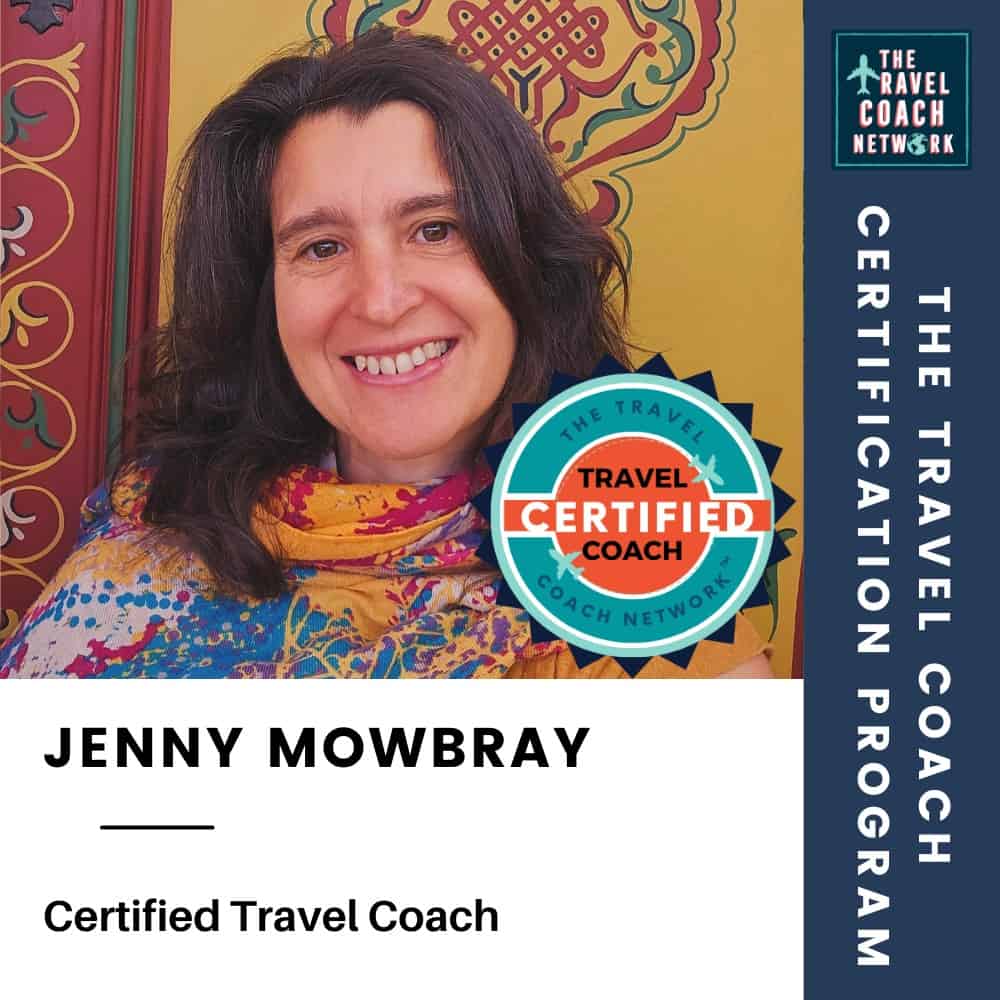
If you’d like personal support as you prepare — someone to guide you in translating your reflection into practical steps and confident planning — I offer 1:1 Travel Coaching for Women.
Together, we’ll create a plan that honours your body, your mind, and your sense of adventure, so you can travel with ease and confidence.
Remember: you don’t have to wait for “perfect” conditions to explore the world. With gentle planning, reflection, and support, you can begin — one intentional step at a time.
Medical Disclaimer: This guide is intended to support and inspire your solo travel planning with a chronic health condition but does not replace professional medical advice, diagnosis, or treatment. I am not a medical professional. Always consult your healthcare provider before making travel plans, especially regarding your health, medications, and any necessary vaccinations or travel clearances. Your safety and wellbeing are the highest priority.
Blogs in the making
Coming soon: interviews with solo travellers who have chronic health issues & much more…
Sign up for all updates & blog posts
Related Blog Posts: Chronic Illness Travel
Chronic Illness Travel Insurance: Comparing Staysure & Avanti for Pre-Existing Conditions
Solo Travel with Chronic Illness: How to Reclaim Yourself at Midlife
The Unexpected Benefits of Travelling Solo with a Chronic Health Condition
A Destination Checklist for Women Traveling Solo with a Chronic Health Condition
On being a Digital Nomad with MS: An inspiring interview with Monica Lynne
Sri Lanka for Women with Chronic Illness: A Calm, Restorative Destination for Midlife Solo Travellers
My descent into darkness and healing
Destination Blog Posts with Chronic Illness
Solo Travel to Morocco with a Chronic Illness: A Midlife Woman’s Guide
Solo Travel to Penang: A Safe, Affordable Island for Midlife Women with Chronic Illness
I’d Love to Hear From You!
Have you travelled solo with a chronic condition? Or are you thinking about it? Feel free to share your thoughts or experiences in the comment section below.
If this post resonated with you, please consider sharing it with someone who might need this kind of encouragement.
Let’s keep in touch.
Join me for all the latest blog posts, reviews and updates.
Orchids to Olives
Journeys of self-discovery, wisdom, healing and friendship