On being a Digital Nomad with MS: An inspiring interview with Monica Lynne
Travelling with MS and Redefining the Digital Nomad Life
An interview with Monica Lynne
Can you travel the world with MS? Yes Monica is doing just that.
She has turned her diagnosis of MS into a passport for a slower, fuller life as a digital nomad.
If you’ve ever felt that chronic illness puts travel out of reach, this interview is for you. Monica shows how it’s not about pushing through, but about reshaping the journey—adapting your travel to honour your diagnosis, your energy, and your rhythm.
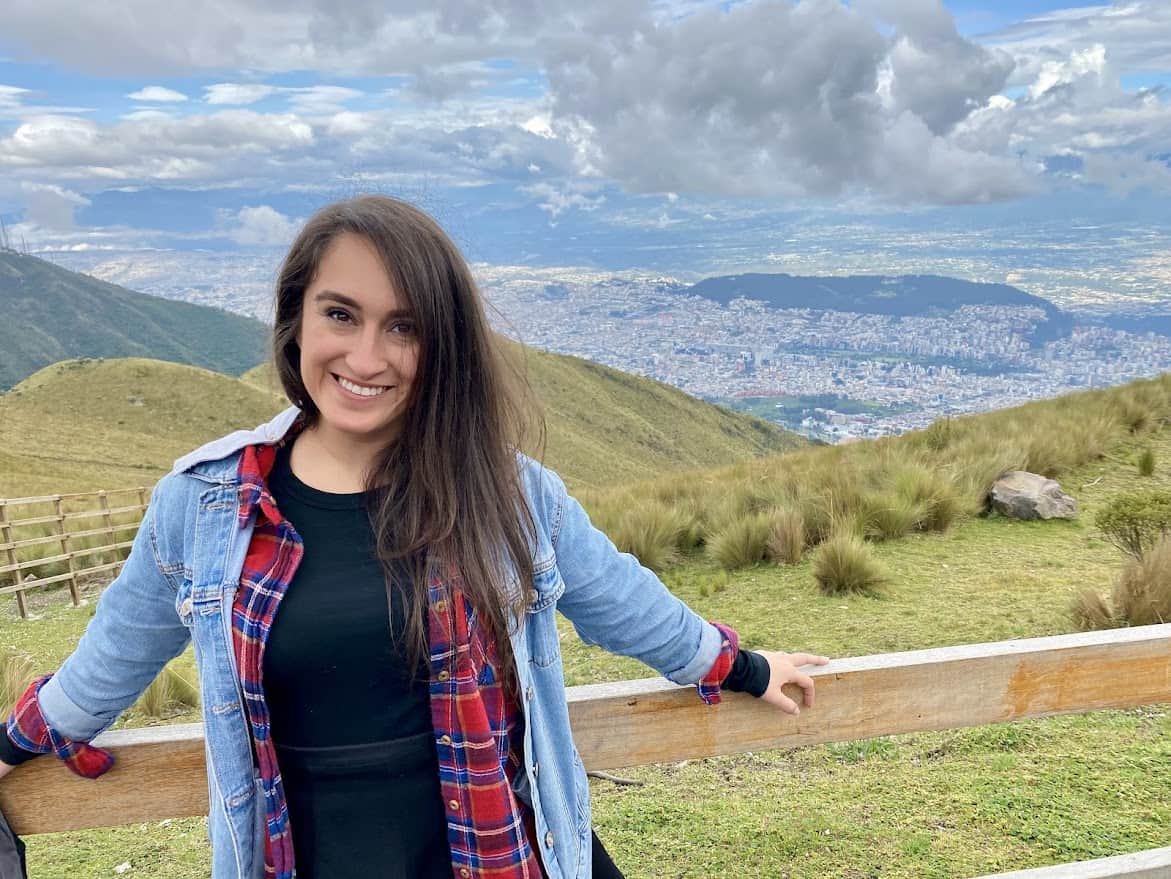
What does it mean to move through the world with a chronic health condition – on your own terms?
For Monica Lynne, a writer, mixed-mobility dancer, and long-term traveller, it means building a life that balances ambition with rest, structure with spontaneity, and curiosity with care. Living with Multiple Sclerosis (MS) for over 20 years, Monica has created a lifestyle rooted in flexibility, intention, and deep self-trust.
In this conversation, Monica shares how she went from feeling limited by her diagnosis to carving out a nomadic life designed around her energy, needs, and passions. From favourite cities with accessible transit to the emotional realities of managing symptoms on the road, she opens up about what it really takes to travel while living with MS.
Whether you’re navigating chronic illness, dreaming of slow travel, or just curious what resilience looks like in motion, Monica’s story offers both practical insight and soulful reflection.
Follow her journey on Instagram @thestatusgo and subscribe to her blog, The Status GO | Monica Lynne on Substack for reflections, resources, and honest conversations about accessible travel and dynamic living.
This is a beautiful reflective interview.
Thank you Monica
Can you share a bit about your journey with MS and why you decided to become a digital nomad?
I was diagnosed with MS when I was 16, about 20 years ago, before all the advancements in MS research and treatments, and definitely before the internet made information so easy to find. Back then, it was rare to meet other young people with MS. It felt isolating and honestly, pretty scary. I thought I had to stick to routines, stay close to home, and avoid anything unpredictable.
But as MS science evolved and more people started sharing their stories online, I began challenging those beliefs. Instead of thinking, “I can’t because I have MS,” I started asking, “How can I, with MS?” Even as my disability progressed, I realized I could still have a life full of movement, it just had to be on my terms.
Choosing a digital nomad lifestyle wasn’t about being rebellious. It was a practical decision. I needed flexibility, space for rest days, and control over my environment. Remote work and slow travel gave me all of that. I got to build a rhythm around my energy instead of pushing my energy to fit into someone else’s routine.
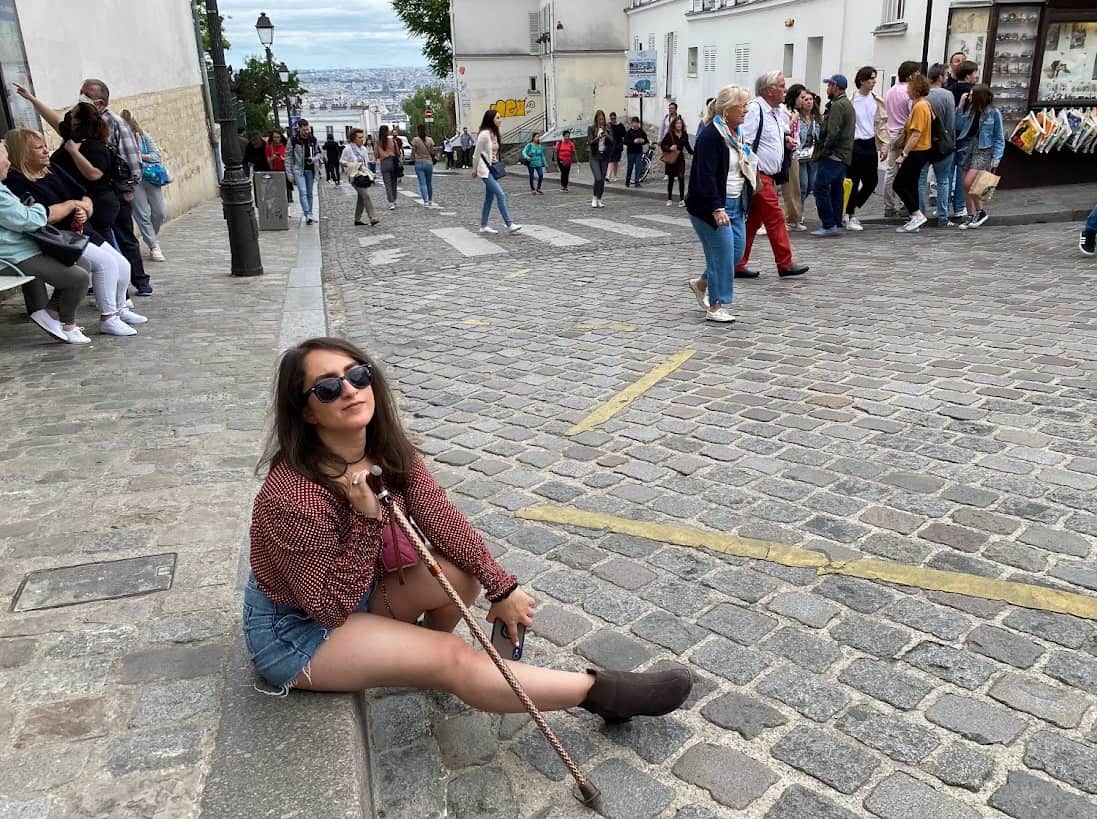
Which countries have you been to? And which are your favourite?
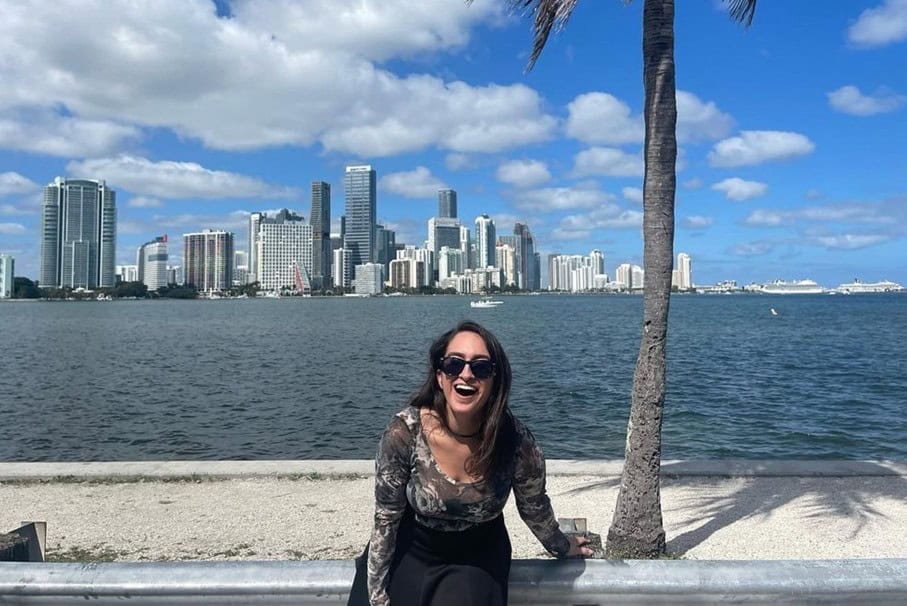
I’ve been all over the Americas, spent time in Western Europe, and explored a bit of Southern Asia.
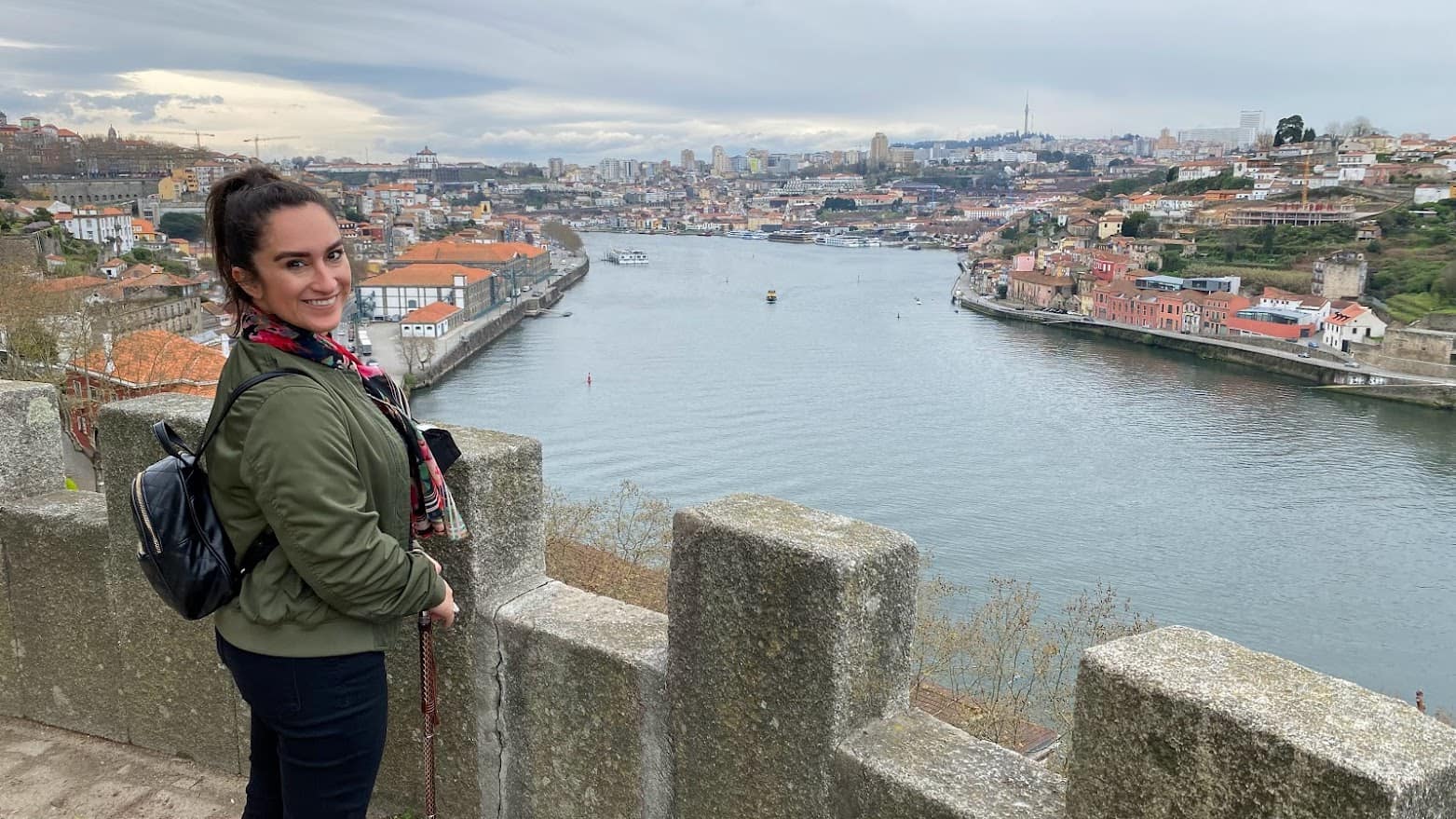
London and Amsterdam really stand out because of their accessible, low-cost transit systems, which made it easy to navigate the cities without draining my energy. That kind of infrastructure gave me the stamina to explore more, from major landmarks to tucked-away gems.
Up next: I’m currently considering a six-month stay in Argentina.
How has the digital nomad life influenced your overall quality of life with MS?
It’s reconnected me to my body and my intuition. MS can make you feel like a stranger to your own needs, but this lifestyle demands that I listen closely to those needs every day, and prioritize them over spontaneous travel whims.
While this extraordinary way of traveling can feel expansive and freeing, it’s also been humbling to recognize what I can’t do or commit to. Whether it’s choosing where to stay, what excursions to book, how far to walk, or when to rest.
I’ve had to learn to trust myself more deeply. And that, in itself, has been healing.
Can you share a specific trip or moment that really stands out – where you felt a sense of freedom, strength, or emotional healing through the experience?
One summer, I was housesitting in a rural part of central France, in a quiet town called Civray, walking each day through fields of wildflowers with a playful pup named Milo. I remember standing at the edge of tall grass, cane in one hand and leash in the other, watching the sun dip behind miles of open farmland.
In that stillness, I felt something I hadn’t in a long time: grounded.
Living with MS often means carrying the weight of uncertainty – how symptoms might evolve, how mobility could change, which goals will need to be reimagined. That fear can be heavy. But in that moment, I felt strong, because I had made a choice for myself. I had shown up for my goals and travel dreams, exactly as I am.
Despite the limitations of my illness, I had carved out a safe and fulfilling way to pursue joy and movement on my own terms. And that felt like strength.
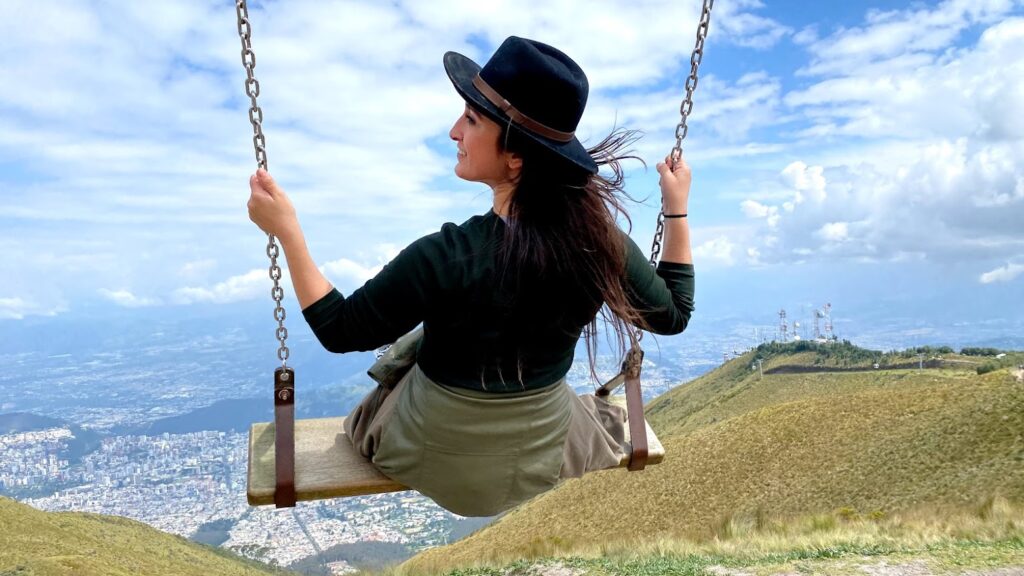
Planning and Preparation
What are the most important things you consider before travelling?
Climate is crucial for me because of my temperature intolerance, so that’s always the first thing I check. I also look into the walkability and public transit options, and whether the terrain is hilly or uneven.
When it comes to day-to-day planning, I make sure to build in rest stops and passive activities, places where I can pause if I get tired. I don’t expect everything to go perfectly, but I do my best to stack the odds in my favour.
How do you prepare for unexpected challenges like fatigue, flare-ups, or accessibility issues?
I pad my travel days with plenty of buffer time between activities and always build in rest days before and after anything major.
I also pack tools that support me, like a trusty cane, my Cionic neural sleeve for foot drop on long walking days, and my favourite cooling pack, Releafpack. I also make a point to identify nearby hospitals with a good reputation, just in case.
More than anything, I’ve learned to accept that I can’t control everything, so I focus on what I can prepare for.
Do you use any specific tools, apps, or services to help plan accessible travel?
I use a handful of tools to help me plan around my energy levels and accessibility needs. Google Maps is a big one. I rely on Street View to check terrain and elevation, and I bookmark places to keep track of where I’ve been and where I want to go. The site Rome2Rio helps me figure out the best ways to travel between cities or countries. If I’m driving to a destination, I use the app Waze, but for walking and public transit, I prefer Google Maps for its real-time info on routes, train schedules, and walking distances.
For quick, last-minute stays, I mostly use Airbnb and always confirm details like stairs, air conditioning, and reliable Wi-Fi for remote work. Especially for longer stays, TrustedHousesitters has been amazing. It gives me a slower, more homelike rhythm while I pet sit.
Since I usually travel with flexible dates, I use Google Flights’ calendar view to see cost by day and choose the most affordable option. And sometimes, Reddit threads or Facebook groups offer the most honest tips, especially from travellers with similar needs.
What strategies help you manage MS symptoms during long journeys?
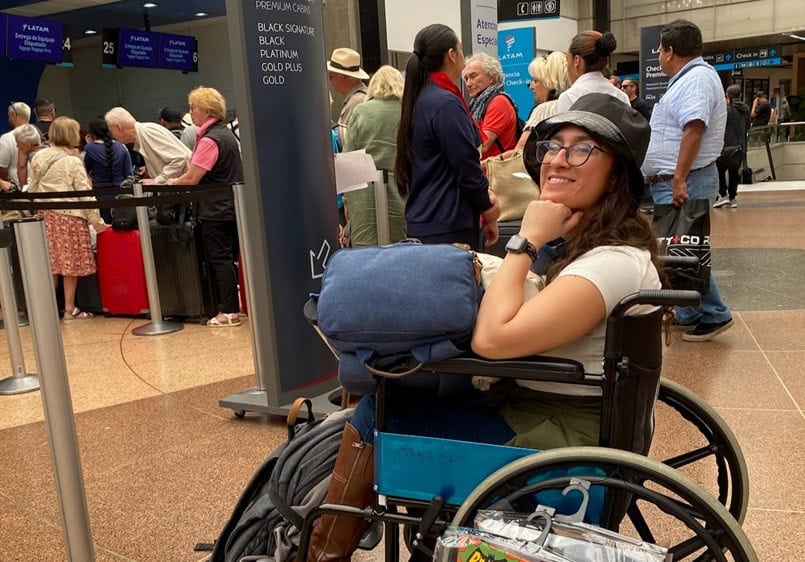
Long travel days can be tough, so I have a few go-to strategies to help manage my MS symptoms. I stay hydrated and try to move or stretch every hour when possible. I often pack protein-rich snacks, a cooling pack if I’m heading somewhere warm, and I wear layered clothing so I can adjust easily if the temperature shifts.
For flights, I bring a neck pillow and eye mask to manage sensory overload and get some rest before landing. I also keep earplugs in my purse for noisy restaurants or concerts when my hearing feels extra sensitive. I use a light crossbody or messenger-style bag so I don’t have to carry weight in my hands, and it’s roomy enough to fit my foldable cane.
Most importantly, I build in buffer time before and after travel days so I’m not jumping straight into activities while recovering from fatigue. That space makes a big difference.
How do you ensure your accommodation is MS friendly?
When booking a hotel or Airbnb, I always message the host or property directly to ask specific questions, especially if the listing doesn’t clearly show what I need. I ask if there are stairs at the entrance, and whether there’s an elevator if it’s not on the ground floor. Since air conditioning isn’t always standard in every country, I always confirm whether there’s dependable AC, especially in warmer climates Heat can trigger my symptoms, and I’ve learned the hard way.
For example, one August in the UK, I found myself in the middle of a sweltering British summer, staying in a beautiful home with zero cooling, because I never thought to ask. The same thing happened in Medellín, Colombia. It’s usually temperate, but on a hot summer day, I ended up buying portable fans out of pocket just to make the space livable.
Wi-Fi strength is also a big deal. I work remotely and rely on strong connections for video calls, so I can’t depend on basic data plans. I’ve had to buy extra data before and even tether through a hotspot from my phone just to get through a workday.
Even though accommodations in central, walkable areas are usually more expensive, they often save me money overall. Being close to grocery stores and transit means I don’t spend as much on rideshares, and I don’t overexert myself just trying to meet basic needs. Even if a place isn’t fully accessible (which is unfortunately common), small adjustments like these help make my stay much more manageable.
Have you ever needed to use medical services in another country? If so, how did you find that?
I’m grateful I’ve never needed emergency treatment, and most of my MS symptoms are manageable on my own. But I have accessed medical services in a few countries, and overall, it’s been a really positive experience.
In parts of South America and Europe, pharmacies were not only helpful but also incredibly affordable. I was able to speak directly with pharmacists and get over-the-counter treatments, like for rashes or stomach issues, that would usually require a doctor’s visit and prescription back in the U.S.
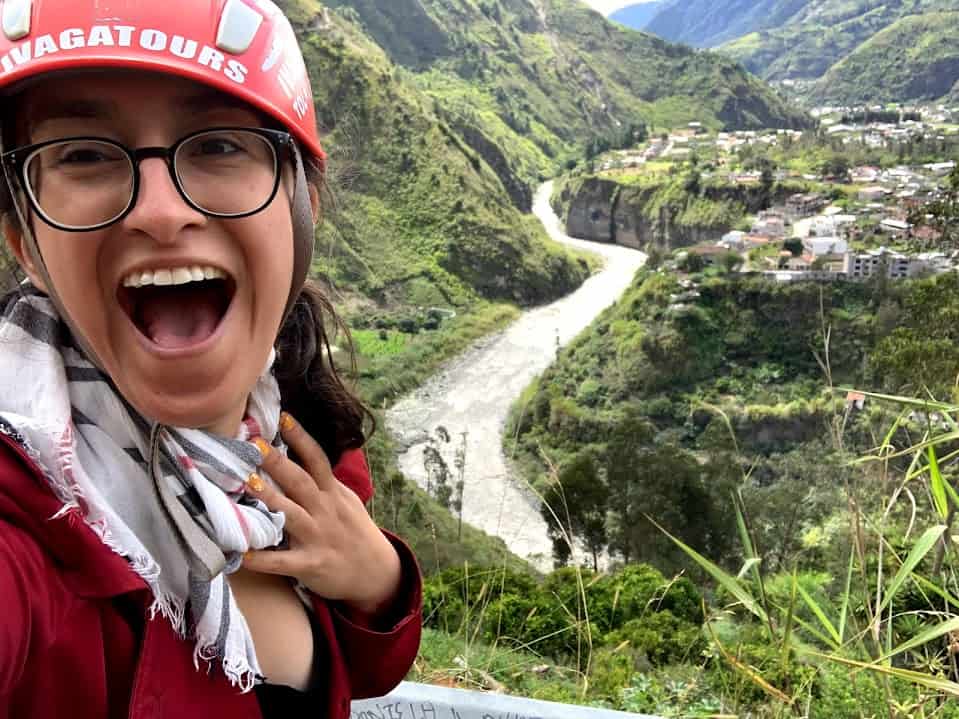
In Quito, Ecuador, I got COVID tests at a local clinic, and it was quick and easy. Honestly, I also had the best dentist appointment of my life there. It was the most hygienic, comfortable, and thorough care I’ve ever received. Even their vet services were excellent. I brought my senior dog with me to Ecuador, and her final months were much more comfortable thanks to the accessible, compassionate care we found.
Do you take out travel insurance?
For short domestic travel or quick getaways, I skip it. But if I’m going overseas for an extended stay, especially with plans to move around or do house sits, I make sure I’m covered, just in case something serious or unexpected comes up with my health, or if my travel plans are thwarted by lost luggage or flight changes.
A lot of my MS-related symptoms are things I’ve learned to manage on my own, like fatigue, sensory sensitivity and foot drop, so I don’t usually need ongoing care while I’m traveling. For me, securing travel insurance is more about having emergency support in place in case something unexpected happens.
If you’re traveling with MS, a good tip is to look for travel insurance that explicitly covers pre-existing conditions. Some providers offer this as an add-on or under special policies. It’s worth the extra step for peace of mind.
Have you ever faced stigma or misunderstandings while on the road? How do you respond to that?
Yes, I’ve definitely faced misunderstandings while traveling. There have been times when people doubted my need for accessibility because I was too young to be disabled or wasn’t using a cane at that moment. There’s been multiple times at shows where personnel and security guards questioned whether I really needed to use the accessible entrance and seats.
Other times, well-meaning strangers have overstepped boundaries by physically grabbing or steering me in crowded areas without asking, which is disorienting and uncomfortable.
Still, I’ve also experienced the opposite too. In London, for example, accessibility awareness felt built into the culture. Posters around the city encouraged kindness and inclusion, and public transit had clearly marked priority seating. If those seats were taken, someone would usually notice my cane and offer their seat without hesitation. That kind of quiet support went a long way in making me feel safe.
I’ve learned to respond in whatever way protects my peace, sometimes that means calmly explaining my needs, and other times it means moving on and saving my energy. Not every moment has to be a teaching one, but when I do speak up, I hope it makes things just a little easier for the next person.
What has surprised you the most about traveling with MS?
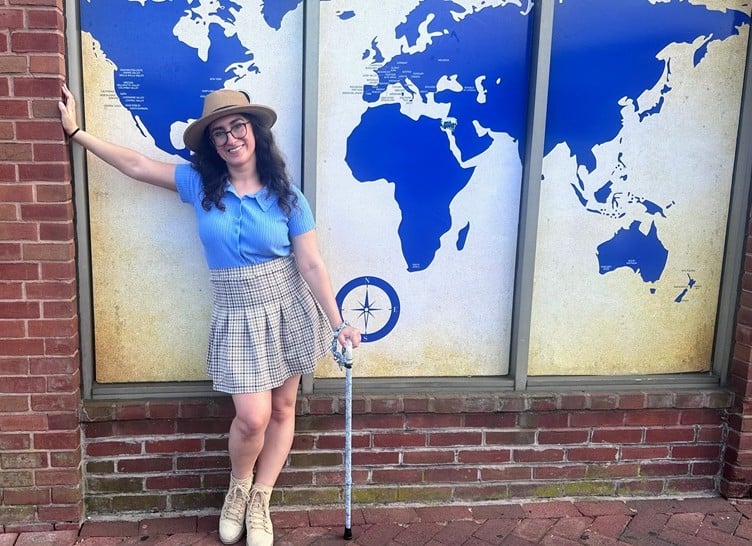
I used to try and fit everything into a week, squeezing in all the sights like my time was on a countdown. But that just left me wiped out and needing days to recover. What’s surprised me most is how much more I can do without crashing, as long as I pace myself and build in rest. Now, I plan my itinerary differently. I’ll schedule the more physically demanding stuff in the morning when I have the most energy, and leave the afternoons for passive activities, like long meals and sit-down, indoor events.
Long-term travel has worked so well for me while working remotely. Instead of rushing through an itinerary, I get to settle into a new city, keep a normal life routine, and explore slowly over the course of a month or more. That makes a huge difference in how my body holds up.
One thing I didn’t expect, though, is how exhausting it is to live out of a suitcase. Constantly packing and unpacking, setting in to a new place again and again, constantly having to figure out the new – travel fatigue is real. So while slow travel is easier on my body, nomadism can get old after a while. I’ve also learned how important it is to create moments of stability wherever I am.
What would you say to someone newly diagnosed with MS who feels like travel is no longer possible?
Don’t write off travel, it might just look a little different now. I used to think I had to stay close to home or avoid anything unpredictable, but I’ve learned that with the right planning and flexibility, the trips we dream about are still totally doable. Travel can be both affordable and accessible, and there are so many resources out there for travellers of all mobility levels.
You’re allowed to go slow. You should rest, even on a trip. Use whatever tools you need to make things easier so you can get around and feel good while you’re doing it, whether that means sporting a mobility aid, wearing a cooling vest, taking the disability seat on a train, or using your right to assistance at the airport. And if guilt or shame starts to creep in – that quiet voice of internalized ableism – please remind yourself that you’re allowed to feel ease. You don’t have to suffer to earn the experience.
Start micro-traveling if you need to. Explore your own city like a tourist, or take a low-key weekend trip. The goal isn’t to prove anything. It’s to enjoy your life, your way.

Discover more of Monica’s writing here:
The Status GO | Monica Lynne | Substack
Disclaimer: This guide is intended to support and inspire your solo travel planning with a chronic health condition but does not replace professional medical advice, diagnosis, or treatment. I am not a medical professional. Always consult your healthcare provider before making travel plans, especially regarding your health, medications, and any necessary vaccinations or travel clearances. Your safety and wellbeing are the highest priority.
Blogs in the making
Coming soon: more inspiring interviews, my wellbeing packing list & why Sri Lanka is a great destination if you have a chronic health condition
Sign up for all updates & blog posts
Related Blog Posts
Travelling Solo with Functional Neurological Disorder (FND): From Fear to Freedom
Solo Travel with Chronic Illness: How to Reclaim Yourself at Midlife
The Unexpected Benefits of Travelling Solo with a Chronic Health Condition
A Destination Checklist for Women Traveling Solo with a Chronic Health Condition
Chronic Illness Travel Insurance: Comparing Staysure & Avanti for Pre-Existing Conditions
I’d Love to Hear From You!
Have you travelled solo with a chronic condition? Or are you thinking about it? Feel free to share your thoughts or experiences in the comment section below.
If this post resonated with you, please consider sharing it with someone who might need this kind of encouragement.
Let’s keep in touch.
Join me for all the latest blog posts, reviews and updates.
Orchids to Olives
Journeys of self-discovery, wisdom, healing and friendship

Hi Monica, Thanks so much for sharing your story. It truly is inspiring. How do you manage DMTs (if you’re on any) with travel? That was my biggest question when diagnosed, and I currently take monthly injections. I’m sure docs would have answers but I’m curious what your journey has been and how you manage staying on schedule, coordinating, and managing your DMTs with travel. Thank you!
Hi, I am so glad Monica’s story was inspiring for you. As Monica was a guest post on Orchids to Olives, can I suggest you reach out to Monica directly? Her contact details are within the post. I wish very happy travelling. Warmly Jenny