A Complete Guide to Travelling With IBS by Zahra Tromsness
IBS and Travel: Your Guide to Preventing Flare-Ups
written by Zahra Tromsness
Is IBS holding you back from the kind of travel adventures you know you’re ready for?
Does IBS make you anxious about solo travel?
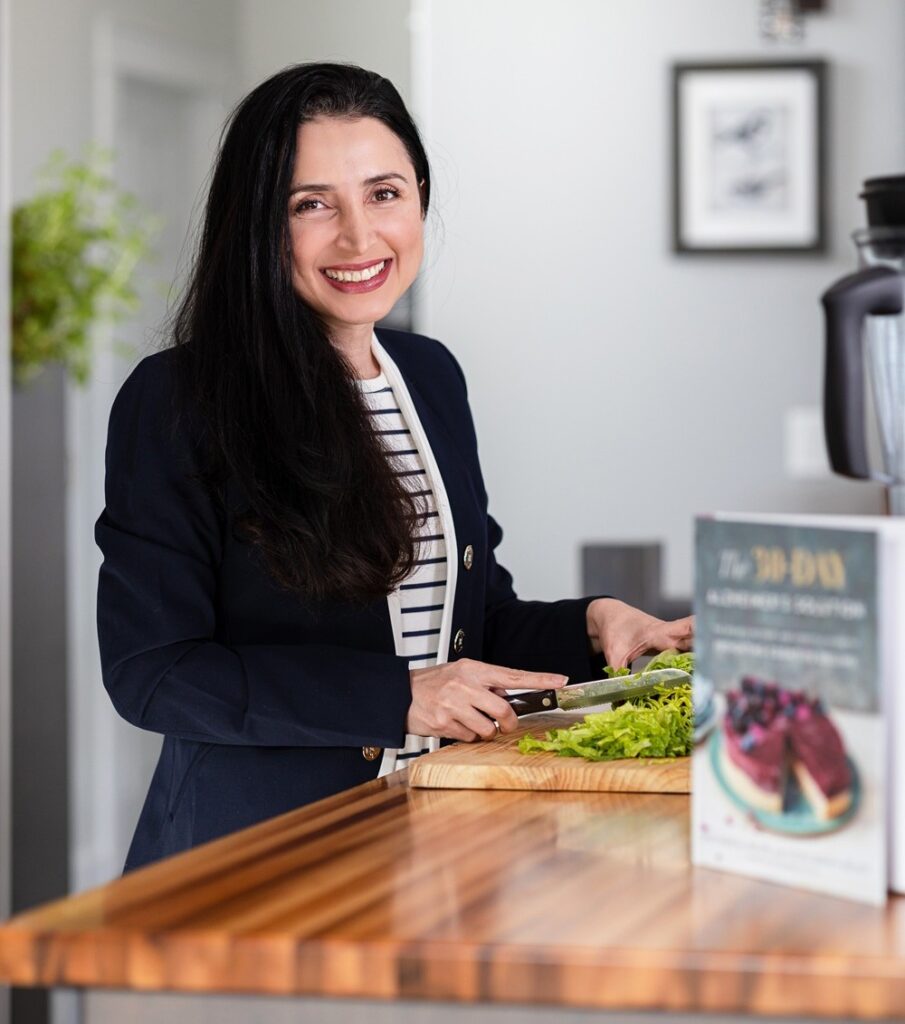
Zahra Tromsness,a Functional Nutrition Therapist and Low FODMAP Diet Coach, offers compassionate, practical support to help you enjoy stress-free travel and confidently manage IBS symptoms.
A Complete Guide to Travelling with IBS
by Zahra Tromsness
Understanding IBS: its impact on daily life & travel
IBS, or Irritable Bowel Syndrome, is a chronic digestive condition that affects how your gut functions. Beyond common symptoms like bloating, abdominal pain, and irregular bowel movements, people with IBS often experience hypervisceral sensitivity, meaning the gut is more sensitive to stimuli than usual.
This heightened gut sensitivity is part of what researchers now call a gut-brain axis disorder, where stress, anxiety, or even excitement can directly impact digestion.
The unpredictability of symptoms can make daily life, social plans, work routines, travel, more stressful than most people realize.
Managing IBS isn’t just about food; it’s about understanding the mind-body connection and learning strategies to feel in control.
➡️ I encourage you to read my blog post on this topic here.
Why IBS can flare up when you travel — understanding the triggers
Travel is a common trigger. Changes in routine, different foods, time zone shifts, dehydration, unfamiliar water, and disrupted sleep all interact with your gut in ways that can spark flare-ups. Emotional factors such as excitement, anticipation, or anxiety also directly influence gut motility and sensitivity.
In addition, if you plan to travel solo for the first time, this can create additional anxiety that can further exacerbate IBS symptoms.
From my own personal experience, I’ve tracked these triggers in detail, and I maintain a full travel blog that covers practical strategies and patterns for managing IBS on the road.
💡Knowing that flare-ups are normal but preventable and manageable can reduce stress and make travel feel possible rather than daunting.
Pre-Trip Preparation with IBS
How to prepare before travelling with IBS
Preparation is key:
- Start by identifying your known triggers. Common culprits include high-FODMAP foods, greasy or fried items, and certain artificial sweeteners.
- Research local grocery stores, restaurants, and menu options at your destination.
- Pack safe staples in case local options are limited.
- Consider working with a dietitian to create a personalized travel toolbox, including meal plans, snack strategies, and symptom-management techniques.
💡Having a plan doesn’t mean you’ll avoid all triggers, it means you can navigate uncertainty with confidence.
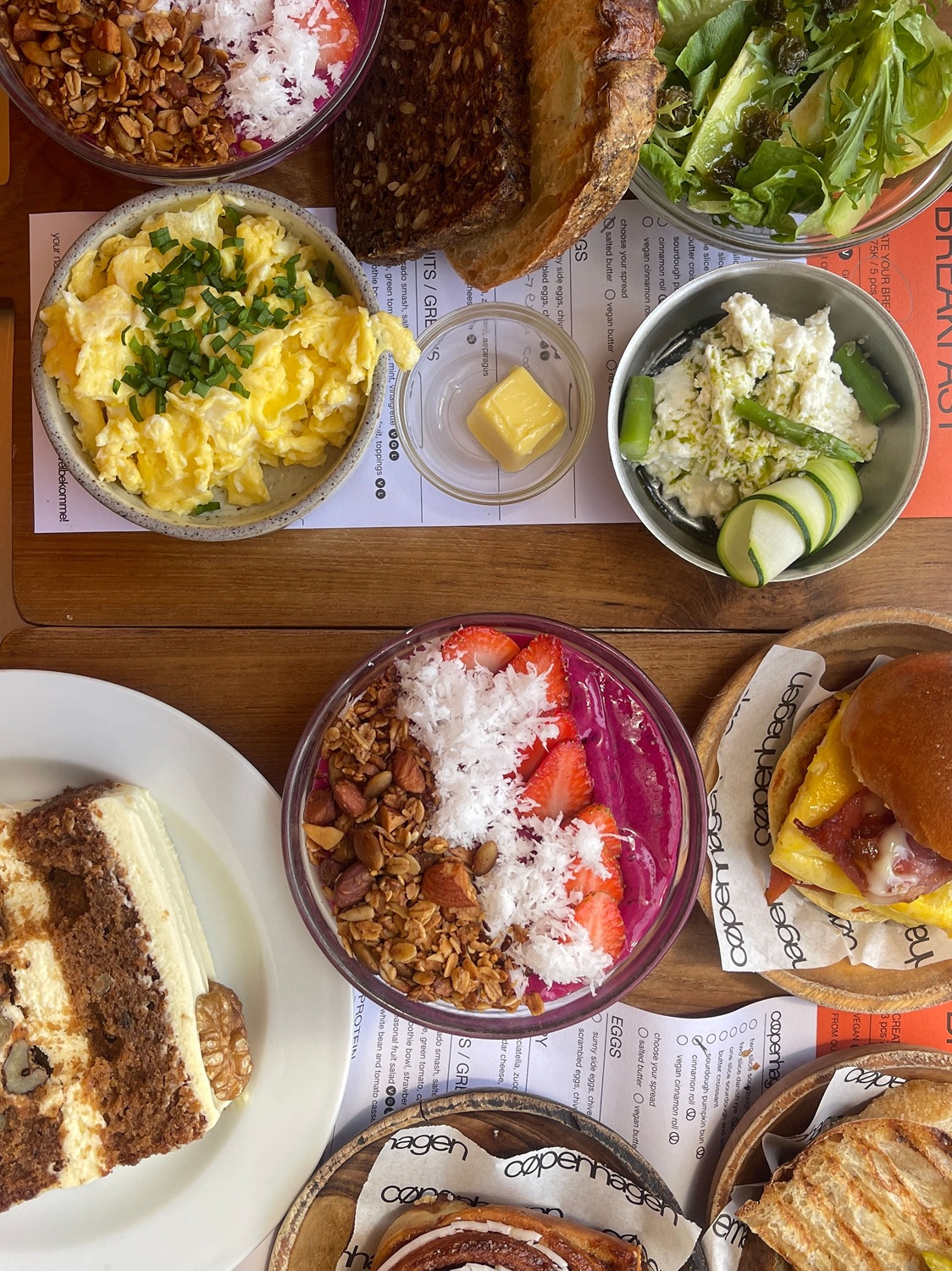
IBS-friendly foods and snacks to pack for emergencies and long travel days
Pack portable, gut-friendly, non-perishable options that you know you tolerate, and consider nuances depending on how far you travel.
Some ideas include:
• Plain rice cakes or crackers
• Low-FODMAP granola bars
• Low-FODMAP nuts or seeds if tolerated
• Safe dried fruits
• Small packs of lactose-free yogurt or shelf-stable kefir
It’s also smart to include a hydration plan such as electrolyte packets or plain water since dehydration can worsen IBS symptoms.
💡Having a few reliable snacks not only fuels your body but also reduces anxiety about food access when traveling.
Keeping a food and symptom journal while traveling: pros and cons
A journal can be incredibly helpful for identifying patterns, uncovering hidden triggers, and learning from your experience. However, for some people, especially those with a history of disordered eating or anxiety around food, tracking every bite can add stress rather than relief.
My advice: do what feels supportive, not obsessive. Even a simple note about meals, timing, and symptoms can give you valuable insights without feeling restrictive.

Eating While Travelling

Tips for eating out safely with IBS (especially when you don’t speak the local language)
• Learn key phrases like “no onion, no garlic” or “I have IBS, what can you recommend?”
• Use translation apps to double-check ingredients
• Stick to simple, cooked meals such as grilled proteins, plain rice, steamed vegetables
• Ask for sauces or dressings on the side to control what goes into your dish
• If unsure, choose restaurants with customizable options such as build-your-own bowls or salads
Universally safe meal options for IBS travellers when dining out
Some meals tend to be tolerated worldwide:
• Grilled chicken, fish, or eggs
• Rice, potatoes, polenta, or gluten-free pasta
• Low-FODMAP cooked or steamed vegetables
• Lactose-free dairy or low-FODMAP plant-based alternatives
Common IBS triggers: foods and meals to avoid while travelling
Common triggers include garlic, onions, beans, cruciferous vegetables, and certain sweeteners. Spicy or heavily seasoned foods can exacerbate symptoms.
When in doubt, stick to familiar foods and use FODMAP apps or local ingredient research to guide your choices.
Avoid deep-fried foods, heavy sauces, very spicy dishes, or anything with multiple unfamiliar ingredients.
Apps like the Monash FODMAP app can help identify safe options when traveling.

Managing IBS Symptoms on the Road

Staying Steady: IBS flare-up management for travellers
Having a flare-up toolkit can be helpful and reduce worry.
A typical flare-up toolkit:
• Know where nearby bathrooms are. There are apps that can show you the nearest bathroom
• Have a quiet place to rest if needed
• Gentle movement such as a short walk or stretching
• Heat packs for abdominal discomfort
• Deep breathing or meditation
• Anti-diarrheal medication if needed
• Anti-bloating oil capsules
• Don’t be shy about asking a café or restaurant to let you use the restroom
Also, plan your route and accommodations so you can access help or comfort quickly.
💡The key is to have a strategy so you can manage symptoms without panic.

Over the counter items or supplements to carry
• Peppermint oil capsules for bloating
• Mild antidiarrheals that you’ve tried before and know you can tolerate well
• Laxatives that you’ve tried before and know you can tolerate well
💡I recommend booking a session with your dietitian before your trip to map out which items are safe and personalized for your gut, avoiding unnecessary trial-and-error while traveling.
Travel-friendly probiotics: what works and what to look for
Probiotics may help some travellers, particularly IBS-specific formulations. Capsules are easiest to pack. That said, research is still emerging, and probiotics aren’t universally effective. The safest approach is to use a product you’ve tried at home first and note how your gut responds before relying on it while traveling
Travelling Solo with IBS
To reduce anxiety around travelling solo, which can trigger symptoms, start with short, local trips to build confidence. Use solo travel as an opportunity to learn what your gut tolerates in new situations.
Planning, preparation, and realistic expectations make solo travel not only possible but empowering.

Mind-Body Connection
The importance of stress management for IBS-friendly travel
Stress plays a huge role in symptom flare-ups. Even small disruptions such as a missed train or long flight can trigger your gut. Incorporate mindfulness, breathing exercises, short walks, or journaling.
Tools like the Nerva app can also guide nerve retraining and stress reduction, which helps regulate gut signals. If you need a referral for Nerva, reach out. I’m happy to help.

Tips for managing anxiety related to flare ups during travel
• Prepare and research in advance
• Pack trusted snacks
• Identify bathroom locations in advance
• Practice grounding techniques or brief meditation
💡Remind yourself that flare-ups are temporary and manageable, and having a strategy for anxiety reduces its impact on your gut.
Realistic Expectations & General Tips
Finding the middle ground between exploration and eating safely
Flexibility is key. Plan safe meals, but allow small, manageable indulgences to enjoy local cuisine. Use portion control or pair a new dish with a familiar safe food. Certain digestive enzymes can also be a helpful tool in your travel toolbox.
Common myths about IBS and travel
One big myth is that you must go completely gluten-free. While some people need to avoid gluten, it’s not necessary for everyone. Many people try going gluten-free hoping it will calm their gut but end up just as bloated, uncomfortable, or irregular as before.
For most people with IBS, it is not actually the gluten causing symptoms. It is the fructans in wheat-based foods, a type of carbohydrate that can ferment in the gut, pull in water, and create gas. Even if you remove gluten, you might still be eating foods that trigger the exact same response. That is why so many people feel frustrated and stuck.
The good news is that there is a clearer and more effective way to identify what is triggering your symptoms. The low-FODMAP approach helps you pinpoint which foods your gut reacts to so you can finally feel more comfortable, regular, and in control of what you eat.
With planning and strategies, most travelers with IBS can safely enjoy new experiences.

How a Dietitian Can Support IBS Management whilst Travelling
A dietitian can help you:
• Identify triggers and safe foods
• Personalize a travel-friendly meal plan
• Map out flare-up strategies and symptom tracking
• Help navigate eating out or local cuisines
Having this guidance reduces trial-and-error and gives you freedom and confidence on the road.

Final Thoughts
My 3 key pieces of advice:
- Book an appointment with your gut health dietitian and map out the details of your trip, including the dietary piece of course.
- Preparation is power. Pack safe snacks, research meals, know your triggers, and have a flare-up plan.
- Remember that flare-ups happen but are manageable, and solo travel can be a confidence-building, empowering experience. Use your dietitian and resources to give yourself the freedom to enjoy the trip without constant worry.
Thank you zAhra!

Learn more Zahra Tromsness
Zahra Tromsness is a Functional Nutrition Therapist and Low FODMAP Diet Coach.
She offers compassionate, practical support to help you enjoy stress-free travel and confidently manage IBS symptoms.

You can find more about Zahra and book a FREE strategy call here:
Zahra is a recommended therapist on the Orchids to Olives Nomadic Wellbeing Services
I’d Love to Hear From You!
Have you travelled solo with a chronic condition? Or are you thinking about it? Do you have a favourite wellbeing place? Feel free to share your thoughts or experiences in the comment section below.
If this post resonated with you, please consider sharing it with someone who might need this kind of encouragement.
Would you like to contribute a guest blog post?
Do you travel solo with a chronic health condition, whether that be physical or emotional? If you’d like to share your story and tips with others, contact me here 💌
Blogs in the making
Coming soon: more interviews with solo travellers who have chronic health issues & beautiful wellbeing places
Sign up for all updates & blog posts
Related Blog Posts: Chronic Illness Travel
Listening to my body: Solo Journeys with MS – an interview with Sandra Keating
The Hypermobile Traveller: How Katy Balances a Chronic Health Condition and Solo Travel
Chronic Illness Travel Insurance: Comparing Staysure & Avanti for Pre-Existing Conditions
Travelling Solo with Functional Neurological Disorder (FND): From Fear to Freedom
Solo Travel with Chronic Illness: How to Reclaim Yourself at Midlife
The Unexpected Benefits of Travelling Solo with a Chronic Health Condition
A Destination Checklist for Women Traveling Solo with a Chronic Health Condition
On being a Digital Nomad with MS: An inspiring interview with Monica Lynne
Sri Lanka for Women with Chronic Illness: A Calm, Restorative Destination for Midlife Solo Travellers
Are you struggling to decide on a destination for your solo adventure?
Let me help you: download my supportive Destination Checklist
Traveling solo with a chronic condition can be incredibly empowering – but only when it aligns with your current health capacity and limits.
➡️ Download my Destination Checklist to help with your personal reflection and planning.
Let’s keep in touch.
Join me for all the latest blog posts, reviews and updates.
Orchids to Olives
Journeys of self-discovery, wisdom, healing and friendship