10-Day Pranayama Retreat in Rishikesh, India – Review of Yoganga Healing
My experience of a 10 day pranayama retreat with Yoganga Healing in Rishikesh, India
with reflections for midlife women navigating nervous system sensitivity and chronic illness.
I completed a 10-day pranayama retreat at Yoganga Healing in Rishikesh, India.
It was a profound experience — one of inner tranquillity, spacious awareness, deepened knowledge, laughter, and unexpected new friendships.
If you are searching for a pranayama retreat that feels authentic, grounded in tradition, and supportive of deeper inner work, this is my detailed reflection on the experience.

What is Pranayama?
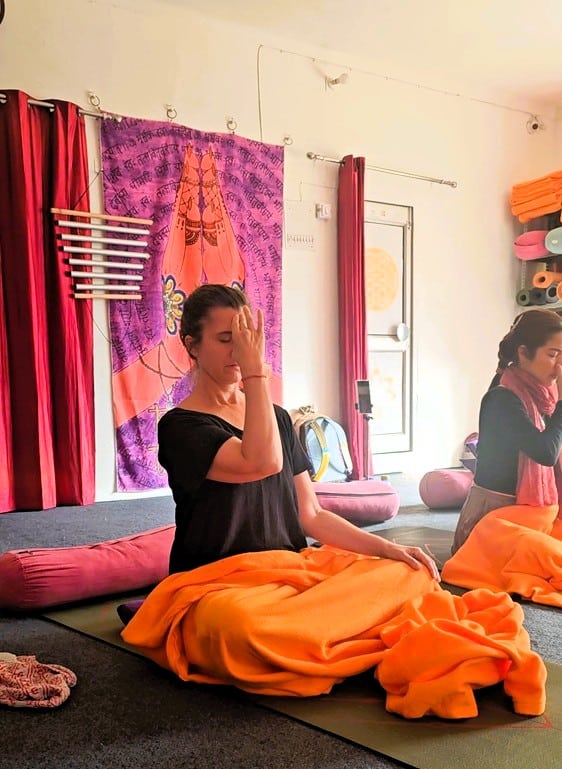
Pranayama refers to conscious breathing practices designed to regulate prana (life force), calm the nervous system, and prepare the mind for meditation.
While often described today as ‘breathwork,’ in its traditional context it is far more than a set of breathing exercises — it is a method of training awareness through the breath.
The benefits of Pranayama
Breath and mind are intimately connected.
When the breath is fast and shallow, the mind often feels scattered. When the breath slows, we begin to settle inside.
With regular practice, pranayama may:
• Support clearer thinking and concentration
• Encourage calm and nervous system regulation
• Create space around difficult emotions
• Strengthen breathing capacity
• Support overall wellbeing
Pranayama is the training of awareness through breath.
Its purpose is not to force or control, but to gently slow and refine the breath so that meditation becomes possible. Over time, the nervous system responds differently — there is more space, more steadiness, and greater awareness of subtle shifts within the body and mind.
As described in the Yoganga Healing manual:
“Through the practice of pranayama, the covering of light over consciousness disappears. If a lamp is dirty, the light is dim. By cleaning the lamp, it becomes clearer and brighter.”
Long-term practice unfolds gradually — not dramatically or forcefully — but consistently. Like clearing dust from a lamp. The light was always there.
Why I Chose Yoganga Pranayama Healing Retreat
1. As part of my ongoing healing journey
I won’t retell my full story here — I’ve shared it elsewhere on my website — but two years ago I found myself in a very dark place. Heartbreak and ill health left me feeling mentally trapped, triggered easily, as if fear lived in my body.
And yet, there was a small inner knowing — a quiet instinct to return to what I understood: breath, mantra, yoga.
It wasn’t a grand plan. I simply began practising daily. Through tears. Through exhaustion. Through pain.
Gradually, space opened in my mind. That practice became the foundation of my healing.
It’s why I continue to seek environments that genuinely support inner work — and why I chose this pranayama retreat in Rishikesh.
For me — as a midlife woman navigating chronic health challenges — choosing a retreat that prioritised nervous system regulation, traditional practice, and small group attention felt important.
2. I didn’t want a generic yoga retreat
Through practising breathing techniques with my own teacher, I already knew pranayama goes deep.
I have always been quietly amazed by the stillness that arises from simple breath awareness — how the mind settles naturally and meditation unfolds without force.
Because of that experience, I wasn’t interested in a generic yoga retreat. I wanted to deepen my understanding of pranayama within a structured and focused environment.
3. I wanted an authentic breathwork practice
I researched breathwork and pranayama training options for quite some time before choosing Yoganga Healing.
I knew I didn’t want to attend one of the more “trendy” breathwork retreats — such as those influenced by methods like Wim Hof or Soma Breath. Not because I dismiss them — I’ve tried those techniques and enjoyed them.
But they often feel like short, intense experiences — almost like a breath-induced high.
I was looking for something slower, deeper, sustainable and rooted in traditional yogic wisdom.
Yoganga Healing offered exactly that, and the reviews reassured me that it was an established and respected place for pranayama training in Rishikesh.
4. And yes… I wanted to be in Rishikesh, India!
And of course — I wanted to be in Rishikesh.
Rishikesh, in northern India at the foothills of the Himalayas, is often considered the world capital of yoga.
With the Ganges flowing steadily through the town, it carries a unique atmosphere.
There is something powerful about practising pranayama at dawn, with the River Ganga close by. That environment alone supports the practice.
I am so glad I chose to come.
5. Excellent value for money
For the depth of teaching, small group size, structured daily schedule, and personal attention, Yoganga offers exceptional value compared to many international breathwork retreats.
Yoganga Pranayama Healing Retreat: My Review
From start to finish, the Yoganga experience felt welcoming, grounding and compassionate.
From the very first day — beginning with an opening fire circle — through to the closing circle ten days later, it felt like being held within an organic container of warmth and quiet protection.
A space where the outside world could soften and fall away, allowing you to simply be with whatever arose.
This is my detailed review of the 10-day pranayama retreat at Yoganga Healing in Rishikesh.
Opening Fire Circle Ritual
On the first day, our small group of four was welcomed by Sunil, Rohit, and Krishna. There was no rush or administrative formality — just a calm, grounded presence. Almost immediately, we were invited into the opening ritual.
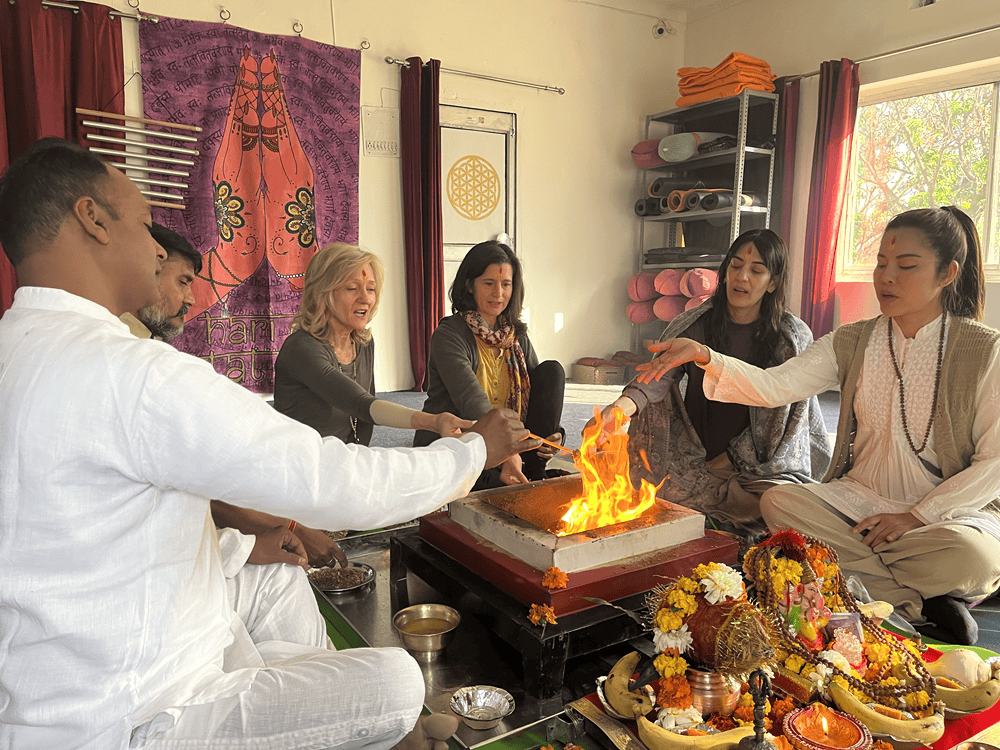
We gathered around the fire as chants and mantras were recited in steady, rhythmic tones. Ancient syllables rising and falling, unfamiliar yet deeply resonant.
One by one, we offered small handfuls of fragrant incense into the fire. The scent felt earthy and sweet — perhaps sandalwood, perhaps something floral. There was quiet reverence in the space. Not heavy or performative. Simple sacred attention.
The ritual was intended to purify and cleanse — both the environment and each of us — preparing the ground for the deeper inner work to come.
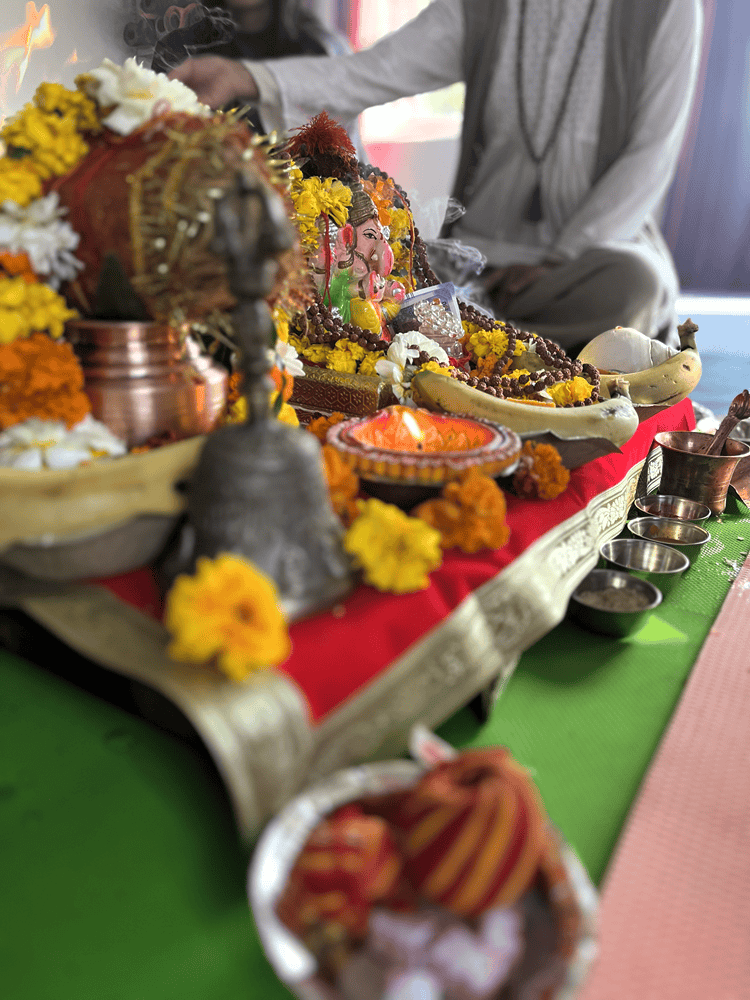
It felt like the perfect beginning to a traditional pranayama retreat.
Personally, I used this moment as an inner opening. I arrived without expectations. Rather than setting intentions or seeking outcomes, I allowed myself to soften into whatever needed to unfold.
A ritual like this also creates an immediate sense of belonging. We were no longer four separate individuals arriving with our own histories and stories. We had crossed a threshold together. The fire became a shared focal point — something ancient and steady to gather around. In that simple act of offering and witnessing, a quiet sense of trust and community began to form.
Evening Ganga Aarti & Dinner
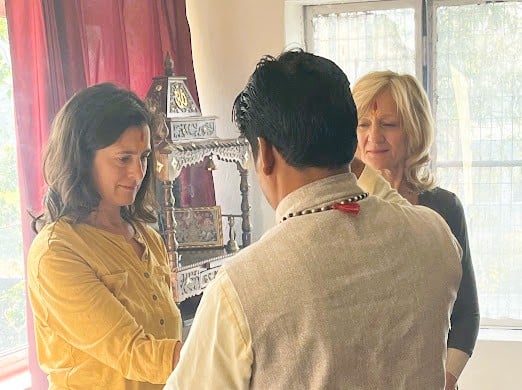
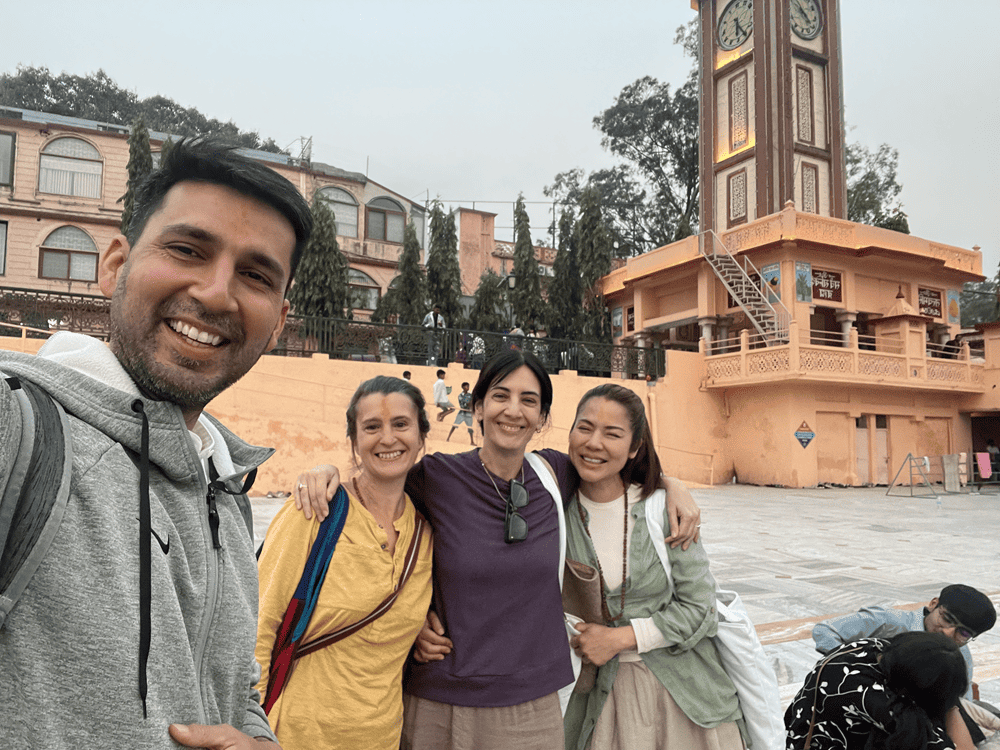
On the evening of the first day, our meditation teacher – Rohit (who is warm and easy-going) took us to the Parmarth Niketan Ashram to experience the evening Ganga Aarti.
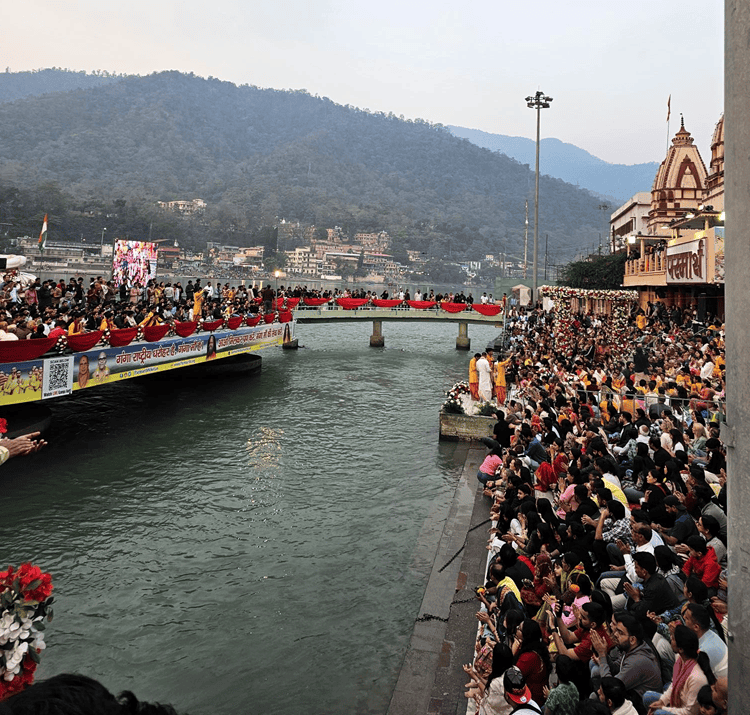
As the sun began to set, the riverbanks filled with chanting, bells, and the glow of oil lamps offered to the Ganges River. You could feel the collective energy in the air.
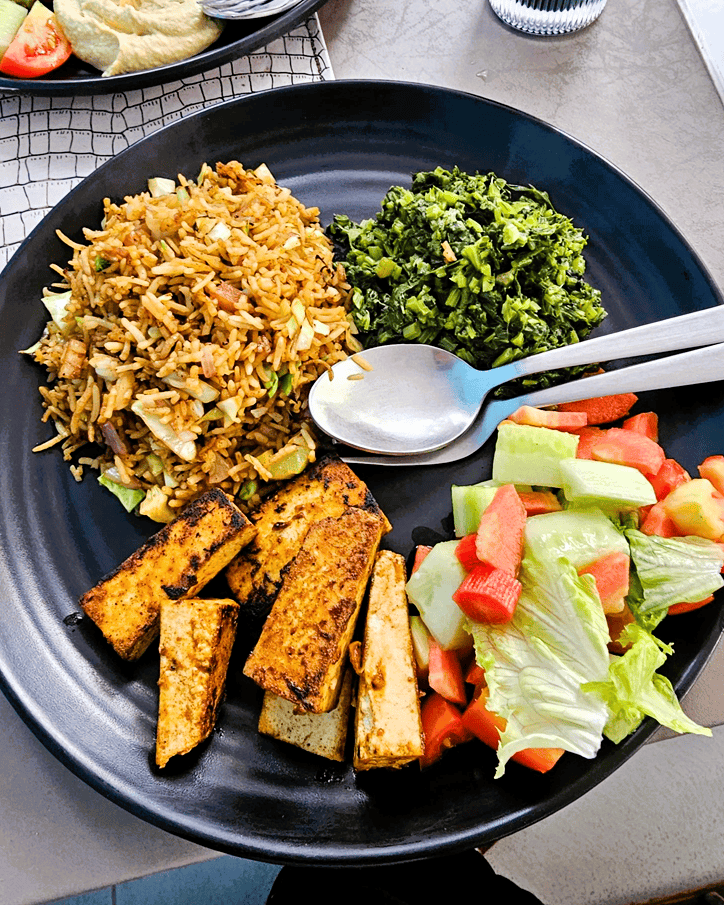
Afterwards, we walked to dinner at Soul Kitchen, a relaxed vegan café nearby. Sharing a meal together on that first evening felt like a gentle way to settle in and begin connecting as a group.
The Yoganga Daily Routine
This is what a typical day looks like at Yoganga:
- 7:30–9:00am – Purification & Asana Practice
- 9:00–10:00am – Pranayama Practice
- 2:30–3:30pm – Yoga Nidra
- 4:00–5:00pm – Pranayama Philosophy
- 7:00–8:00pm – Meditation / Mantra / Sound Bath
There was a structure to the day, but nothing felt rushed. Everything felt intentional and supported deep immersion into pranayama and traditional yogic practice.
Purification & Hatha Yoga Asanas – with Krishna
Jal Neti
Each morning began at 7:30am on the rooftop with jal neti — a traditional yogic purification practice where warm salted water is gently poured through one nostril and allowed to flow out of the other.
Its purpose is to cleanse the respiratory passages and prepare the body for pranayama and deeper yogic practice.
Standing outside with the mountains behind us in the cool early air felt refreshing. As the sun rose, the physical cleansing seemed to mirror an inner clearing.
The practice itself wasn’t new to me; it had formed part of my daily routine during a naturopathy retreat in India. But here, practised on a rooftop with beautiful views, it carried a more elemental quality.
Hatha Yoga Practice
Following purification, we moved into Hatha yoga with Krishna — who arrived each morning on his deep red Royal Enfield motorbike, wearing a stylish jacket and looking effortlessly cool (I didn’t get a photo unfortunately!)
Traditionally, yoga asanas were designed to prepare the body to sit comfortably for long periods in meditation. The wide variety of postures seen in many modern classes evolved partly to counterbalance our largely sedentary lifestyles.
Therefore the focus of the yoga on alignment, foundation, and creating openness for the breath to move freely through the body.
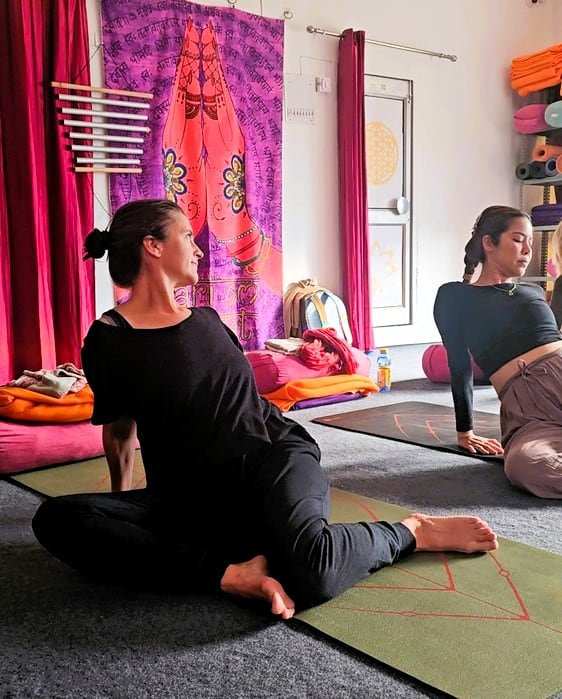
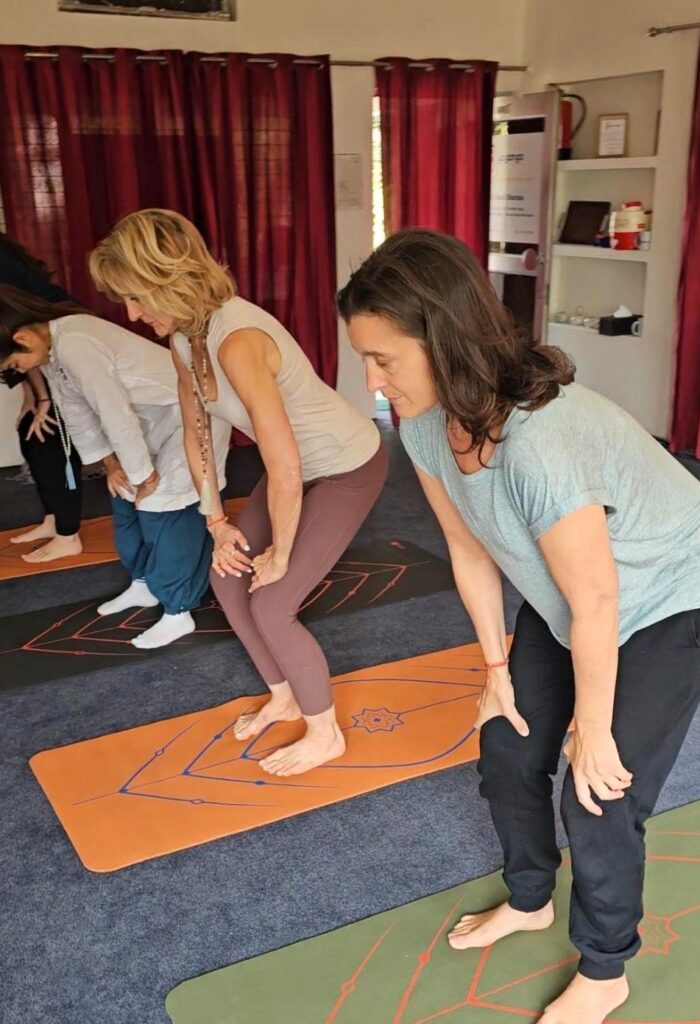
Each day included Sun Salutations, along with carefully selected postures that emphasised the feet, posture, and structural integrity. I particularly loved the focus on the feet — the reminder that balance and stability begin at the ground.
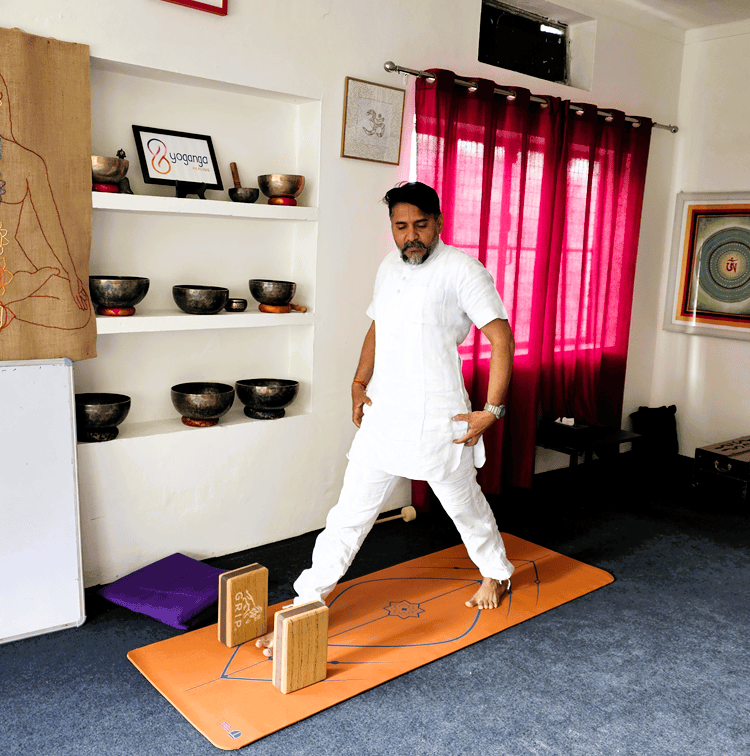
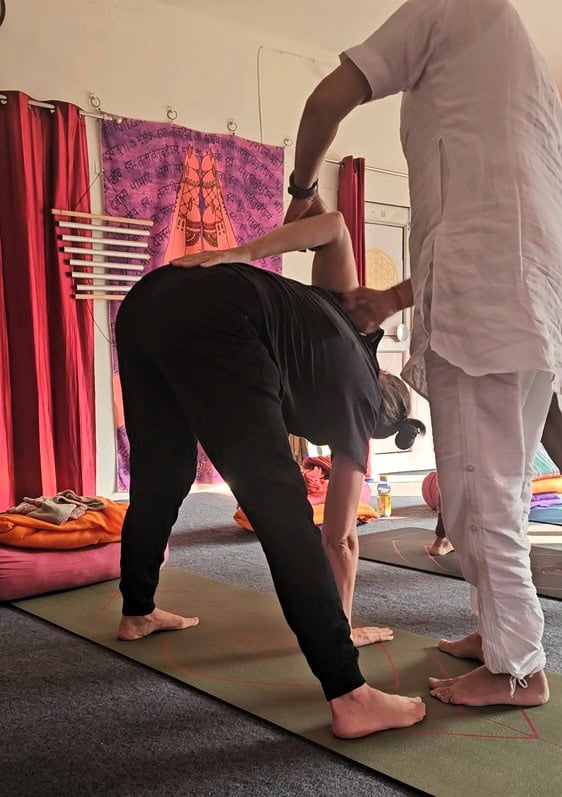
Krishna paid close attention to each of us, gently adjusting and refining our alignment so we could access the posture more fully. His instructions were clear, thoughtful, and often accompanied by an explanation of why we were doing what we were doing — something I deeply appreciated.
And then there was his gentle refrain with a cheeky smile: “Are you getting something?”
Every time he carefully eased my body a little beyond its habitual comfort zone, I would quietly murmur back, “Yes, yes…” – smiling through the stretch.
Yoga that meets you where you are
Our small group already had prior yoga experience, so there was natural familiarity in the room. However, I truly believe this practice would feel accessible to someone entirely new to yoga.
Krishna teaches from the ground up, with careful attention to alignment and safety. There is no pressure to achieve or impress — only an invitation to explore steadily at your own pace.
Pranayama
Asana flowed effortlessly into pranayama with Sunil.
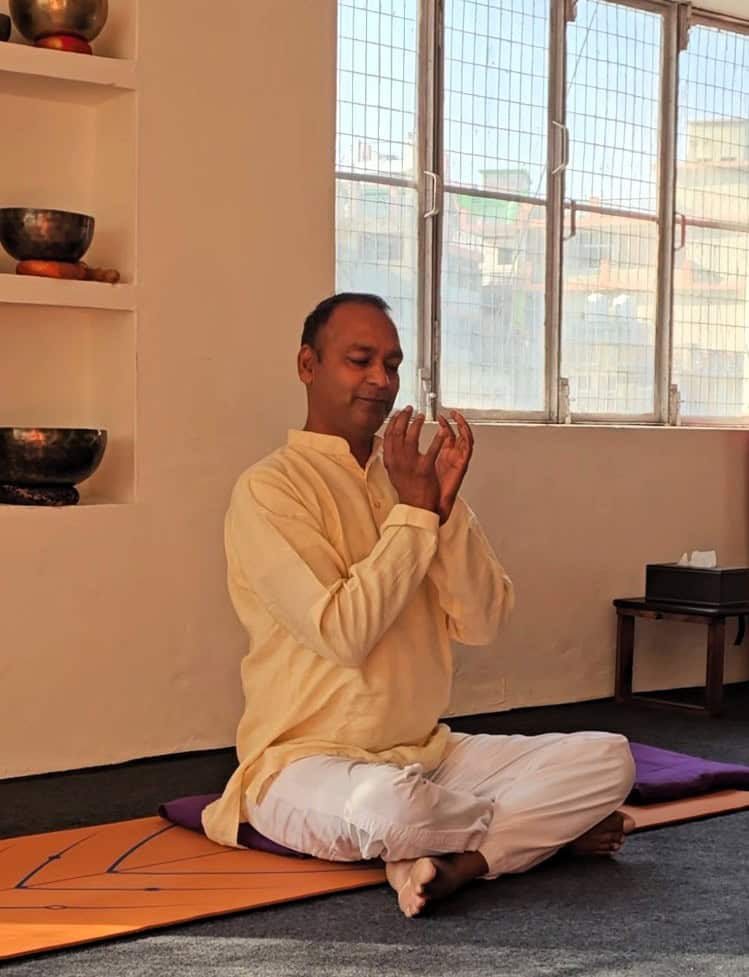
Sunil’s presence is deeply grounding — steady, focused, quietly strong. You can sense that he embodies what he teaches.
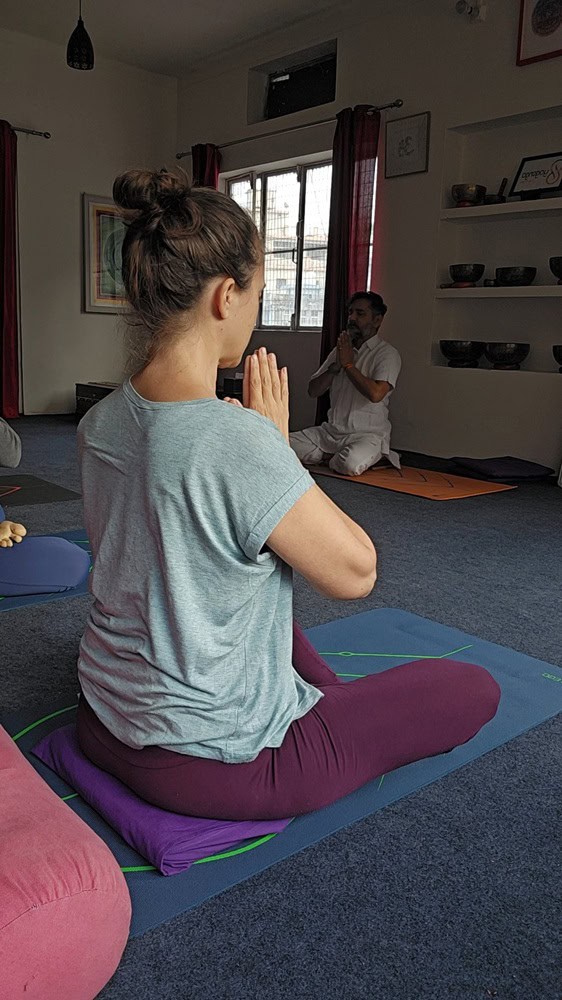
The sessions began gently, often opening with Om and sometimes a mantra. From there, we were guided into subtle awareness of the breath, with particular attention to the pelvic diaphragm, where much of the pranayama work is focused.
There was no rush in the learning. Each stage was carefully layered onto a firm foundation.
As one traditional text beautifully puts it: “Just as a lion, an elephant, or a tiger is tamed gradually, so too the breath is brought under control by degrees.”
Each day we were introduced to a new technique, building on the previous one. There was clear explanation, demonstration, guided practice, refinement — and individual attention. The small group size made this possible.
Pranayama here felt like traditional breathwork rooted in discipline and awareness — not performance or intensity, but steady practice within a supportive environment.
Techniques Practised
I don’t feel the need to detail every breathwork technique here, as that isn’t the purpose of this review. However, these are some of the practices we explored:
- Kapalbhati
- Uddiyana Bandha
- Jalandhara Bandha
- Mula Bandha
- Agnisara
- Nadi Shodhana
- Bhastrika
- Bhramari
My Personal Experience of the Pranayama Sessions
As already mentioned, I had explored various breathing techniques before arriving, so I wasn’t completely new to pranayama — and I think the same could be said for some of the other women in the group.
What I appreciated most was the time and devotion given to truly learning the techniques.
There was space to practise, to feel, and to notice subtle shifts — without distraction or pressure to move quickly onto the next element of the day.
It felt like returning to the foundations and strengthening them properly, so that my own independent practice could deepen with greater confidence and clarity.
Would this pranayama work for complete beginners?
Yes — absolutely.
There is no need for prior experience. The teachings begin with the very basics and build steadily. Wherever you are starting from, you are met there.
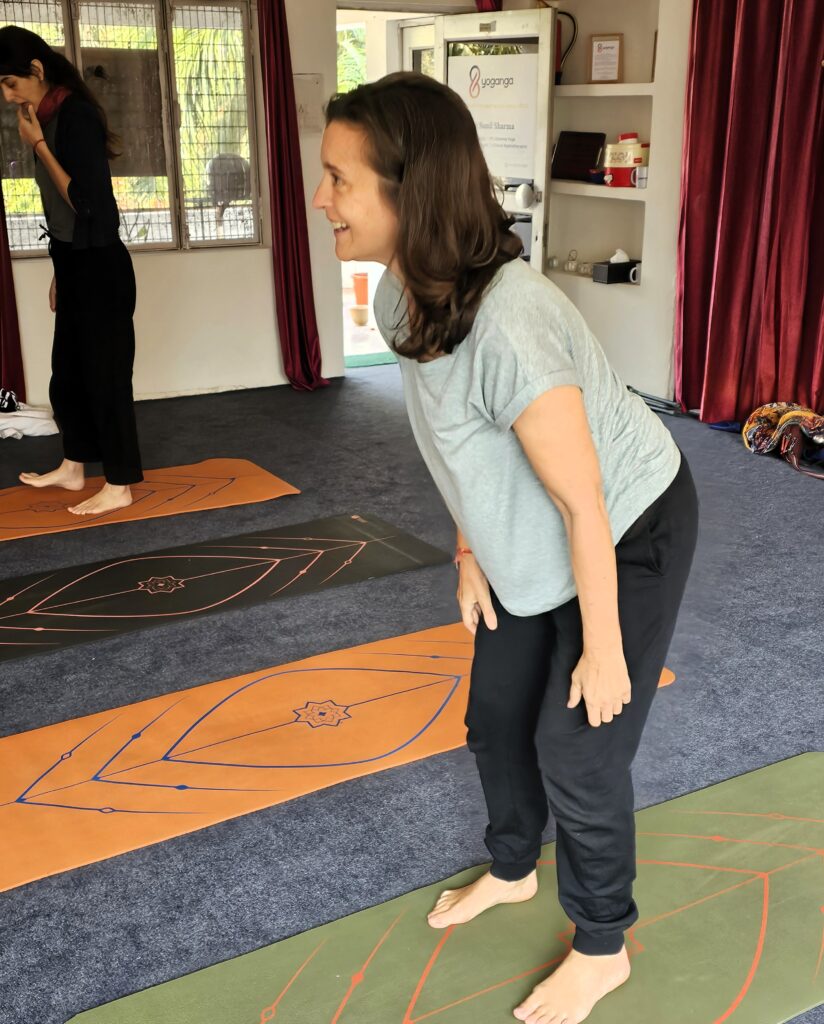
Sunil’s explanations are clear and accessible, and the small group setting allows for attention to detail and gentle correction where needed. There was also lots of laughter and a sense of lightness.
This makes it suitable both as a pranayama retreat for beginners and as deeper training for those already familiar with breath practices.
Pranayama for midlife women navigating chronic illness
For many midlife women — especially those living with chronic illness, like myself — the body can sometimes feel uncertain and changeable.
Practising traditional pranayama within a calm, structured setting offers something quietly reassuring for women navigating chronic illness.
Unlike intense modern breathwork practices, this style of pranayama prioritises nervous system regulation and gradual progression.
The small group, the repetition, and the unhurried pace allow the nervous system to soften.
For me, this consistency felt deeply supportive — not because anything dramatic happened, but because nothing was forced.
Rather than striving to fix anything, the practice became an invitation to listen — to meet the body as it is — and gently rebuild trust.
Yoga Nidra
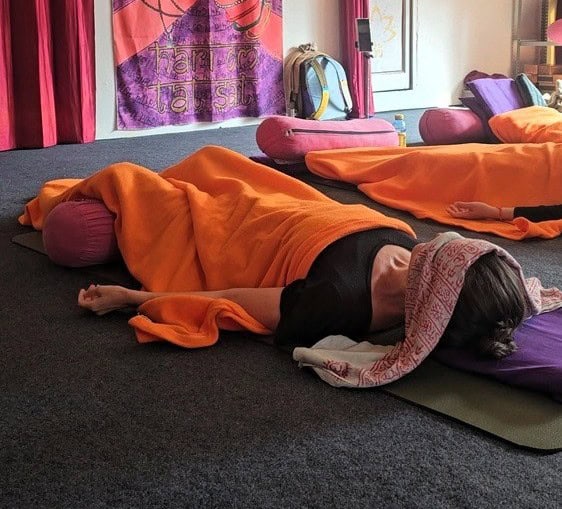
Yoga Nidra took me by surprise!
When I first saw it included in the course structure, I wondered what it had to do with breathing. But the retreat was titled a Pranayama Healing Retreat, and I came to understand that yoga nidra, alongside the other practices, was an essential part of the whole.
Yoga nidra, often described as “yogic sleep,” rests in that liminal space between waking and sleeping — the threshold state where awareness remains, even as the body deeply lets go. For midlife women, especially those navigating chronic illness, fatigue, hormonal shifts, or neurological sensitivity, this space can be profoundly supportive.
We would lie down, warm and supported, as Sunil’s steady, earthing voice guided awareness through the body and into the breath — layer by layer, drawing us deeper into whole-body presence.
I’m not sure whether the depth of the experience was influenced by Sunil’s background in yoga and hypnotherapy, or simply by years of embodied teaching — but the guidance felt unlike anything I had encountered before.
It was profoundly relaxing.
Yoganga healing also offers Yoga Nidra Retreats.
Yoga Nidra was not always entirely comfortable.
At times, unexpected memories surfaced and my body occasionally felt pain or discomfort — my head subtly pulling to one side, or the left side of my body (the side where I’ve experienced ongoing neurological issues) feeling slightly tilted. And then, with a shift in his words, something would soften or rebalance.
There was no sense of forcing anything to change. Only an invitation to notice.
I didn’t feel the need to analyse it. Only to remain open to the possibility that the body and mind know how to find their own way toward equilibrium when given the right environment.
Pranayama regulates the breath. Yoga Nidra allows the nervous system to receive that regulation.
Together, they felt complementary.
I have long believed that the body holds an innate capacity for healing and responsive to the environments we place it in.
For me, yoga nidra (alongside the breathwork and asana) felt like a gentle unwinding of learned patterns — of habitual tension, thought loops, and conditioned reactions.
It brought to mind the work of Dr. Joe Dispenza, who speaks about how familiar neural pathways can reinforce repeated emotional and physical states. Through awareness and meditative practices, room can be created for different responses to emerge.
I wouldn’t claim to fully understand what was happening beneath the surface — only that something subtle felt as though it was loosening.
Where Spaciousness Lingers and the Senses Awaken
Each of us in the group had different experiences with yoga nidra, yet we all found it deeply restorative.
Emerging from the practice felt heavy — as though I could have stayed suspended in that state for much longer — but slowly we would return.
Afterwards, we were brought a simple snack, usually fruit, which tasted almost sublime after such stillness. I would step outside, looking toward the trees and hills, listening to the birds. Colours felt sharper. Sounds clearer. Even taste seemed heightened.
There was a quiet openness that lingered.
Pranayama Philosophy – Understanding the Why
Wisdom in Context
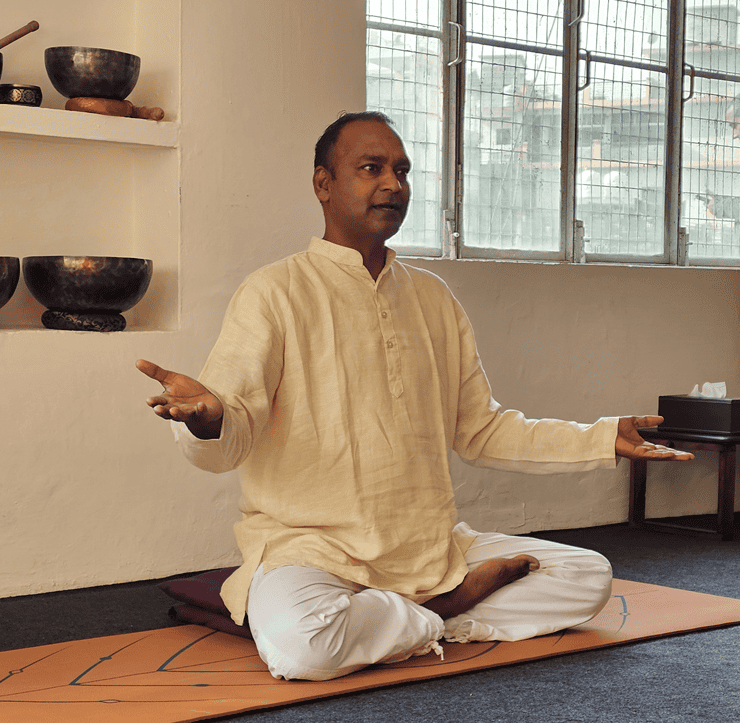
The second hour of the afternoon was dedicated to pranayama philosophy.
We sat with Sunil as he explained the reasoning behind each practice — how the techniques fit into the wider yogic path.
For those of us in midlife bodies, especially navigating chronic illness or hormonal shifts, I think understanding the “why” matters. It transforms practice from repetition into conscious participation.
The sessions were clear, engaging, and open to questions. Sunil has a gift for gentle humour and analogy, making complex ideas accessible without losing depth. Nothing felt abstract or overly esoteric — the teachings were grounded and relevant to modern life.
While pranayama remained central, discussions often expanded into broader yogic wisdom, including the Bhagavad Gita, alongside Sunil’s lived experience.
The philosophy was never imposed — it was offered as something to explore.
Understanding how a technique may influence the nervous system or mental patterns allows us to practise from clarity rather than compliance. That feels empowering.
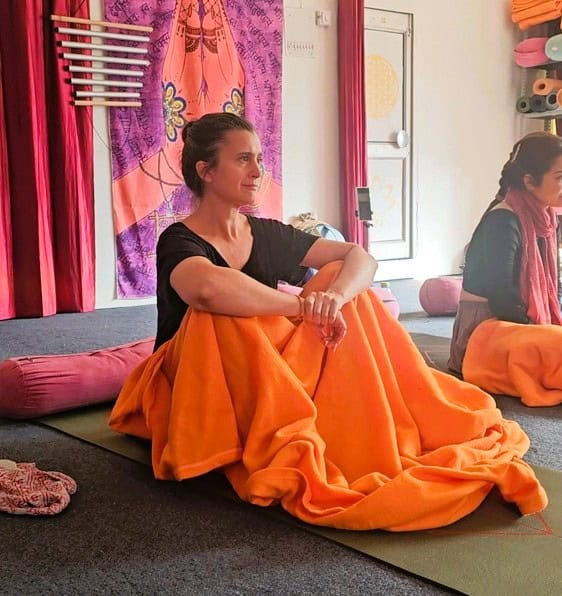
Evening Meditation with Rohit – Sound and Stillness
The evenings felt like a gift.
Across five sessions, we were introduced by Rohit to different meditation techniques — each offering a slightly different doorway inward.
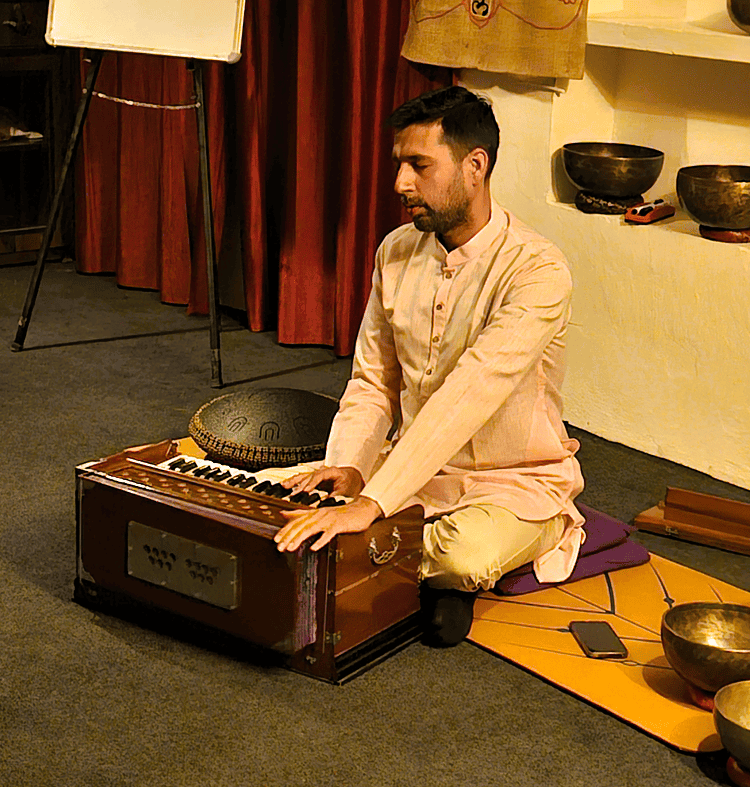
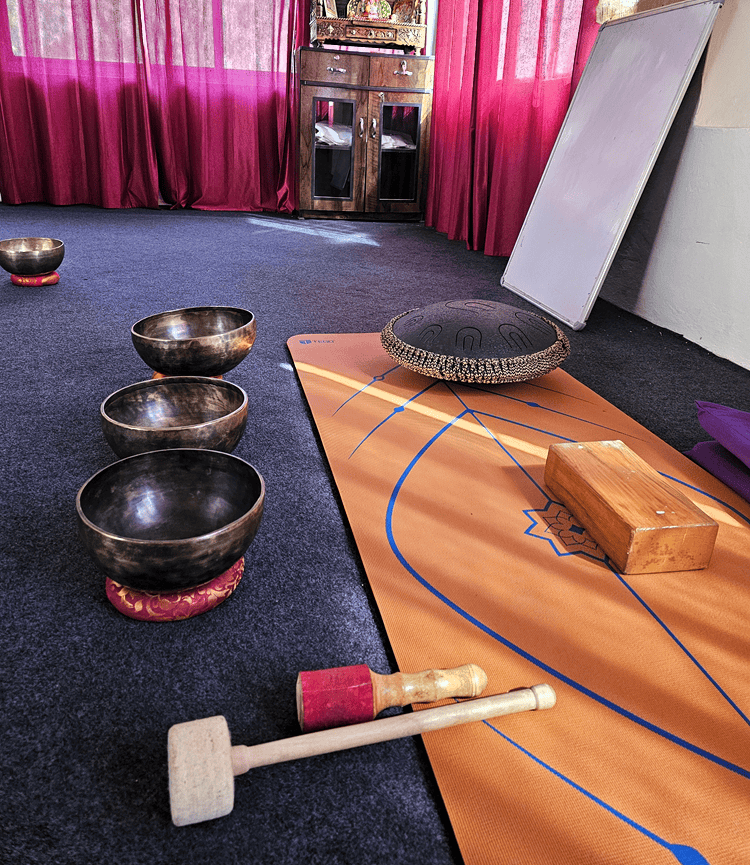
A master of sound healing, specialising in singing bowls, Rohit wove sound into many of the practices. The resonance of the bowls felt immersive — vibrations lingering in the body long after the final tone had faded.
For nervous systems that have spent years on alert — managing symptoms, responsibilities, uncertainty — sound can bypass analysis and move directly into the body..
The sessions included candle gazing, chakra mantras, movement, and guided meditation.
My favourite was the chakra mantra practice. Each chakra carries its own bija (seed) sound, and accompanied by the soft, steady tones of the Harmonium, Rohit guided us through the sequence.
This was a beautiful experience – hearing and feeling the sounds rise one by one through the body – from root to crown.
It is an experience I will not forget.
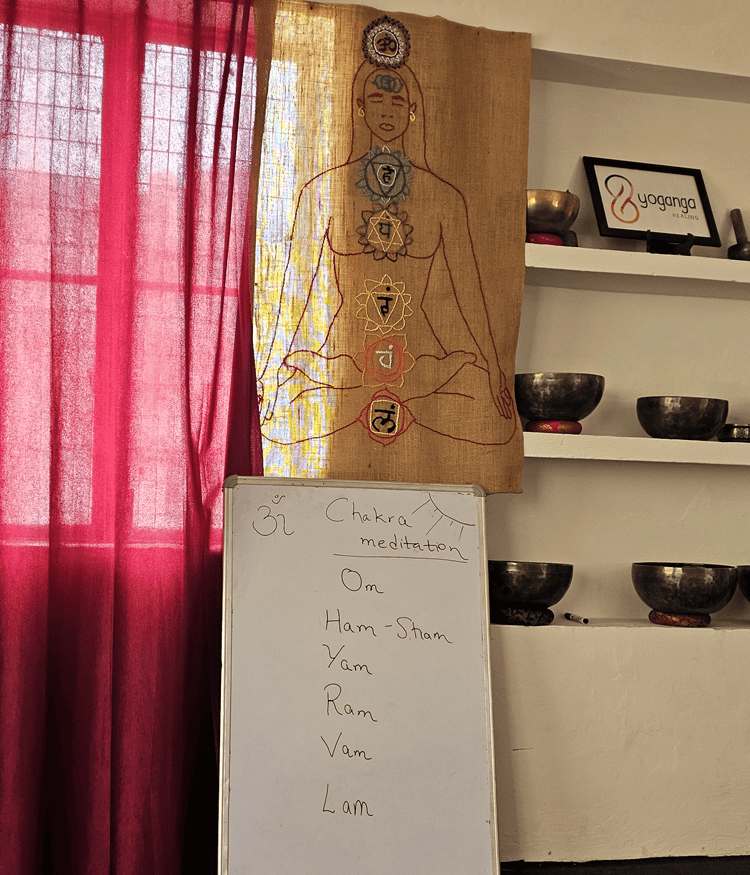
Often held by candlelight, the evening sessions felt intimate and sacred.
It was a lovely way to close the day: softening the edges, settling the mind, and gently preparing for sleep.
Morning Excursion to Vashisht Cave by the Ganges River
One morning, we took a break from the schedule and we were taken by Rohit and Nikunj (local guide) to Vashisht Cave – an ancient meditation cave nestled beside the sacred Ganges. It is said that the sage Vashishta meditated here for many years, entering deep states of realisation.
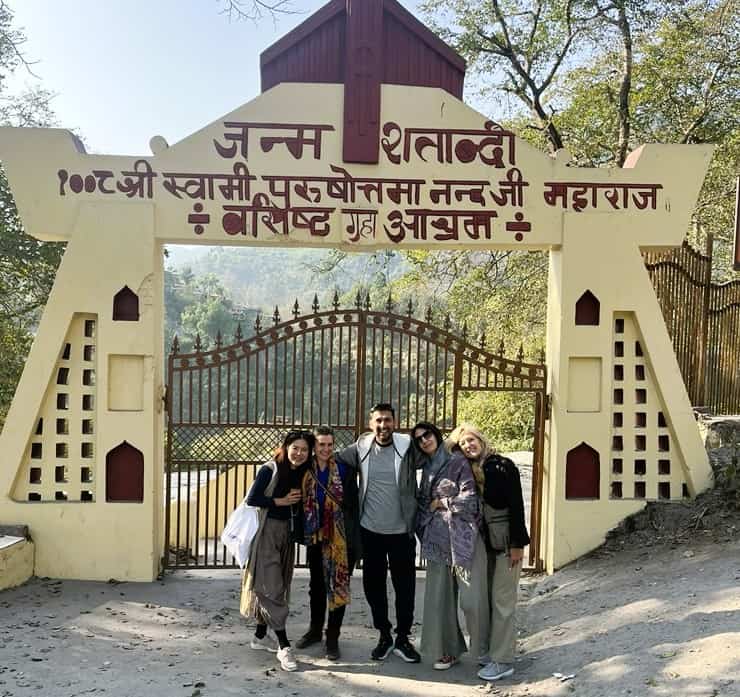
The cave is beautifully cared for. The stone floor is lined with simple mats, and inside it is almost completely dark. The soft scent of oil and incense lingers in the air. It is very still and quiet.
Sitting within the earth itself — in darkness, in silence, with nothing to do and nowhere to look — felt special. For around twenty minutes, we simply sat. No guidance. No technique.
Just presence.
A Beautiful Picnic Setting
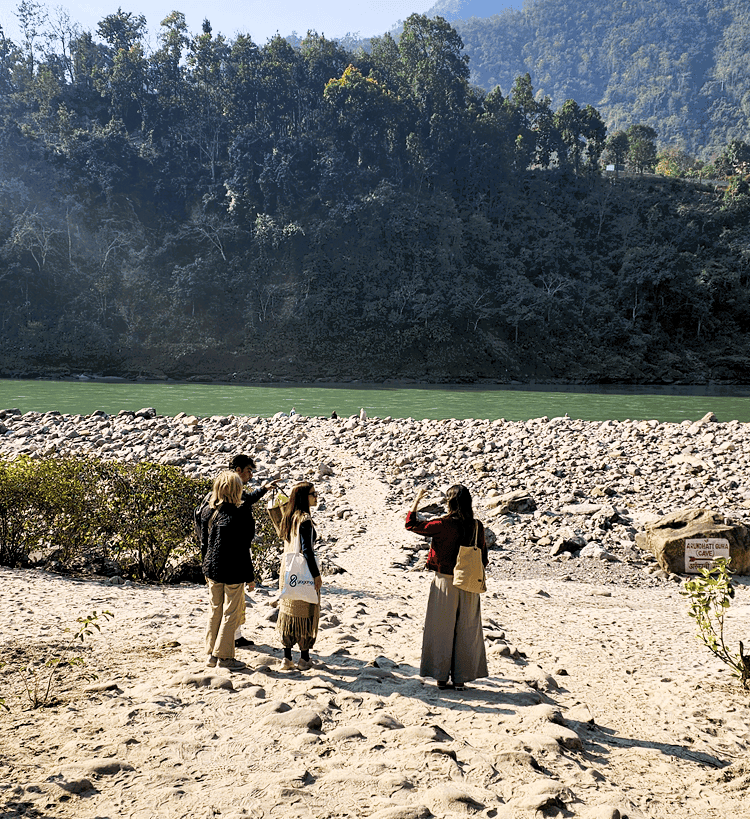
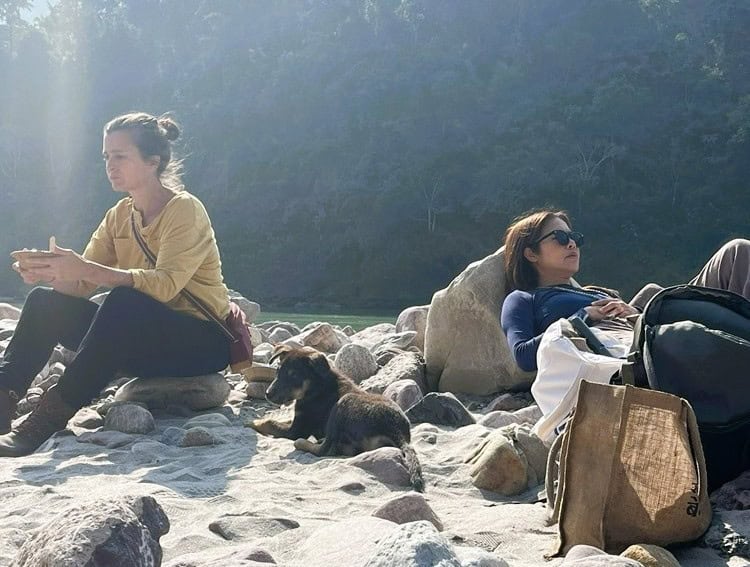
Afterwards, we wandered down to the rocky banks of the Ganges. Hills and forest rose around us.
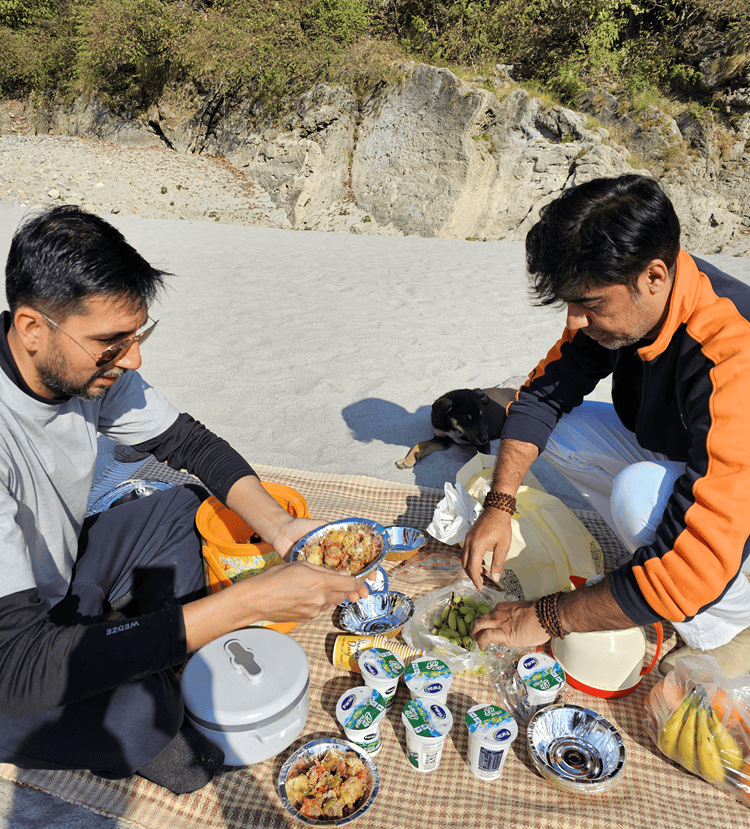
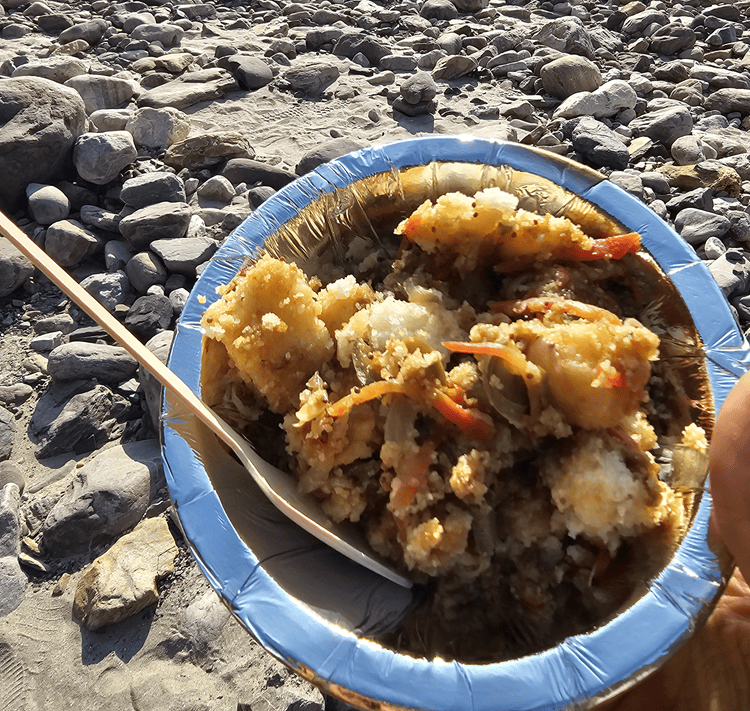
Then, almost magically, from a few simple bags, the most gorgeous picnic appeared, prepared by Nikunj’s sister.
Delicious idli with curry, fresh yoghurt, fruit, and warming masala chai. Simple, nourishing food (which was one of the tastiest meals I’ve had in India!).
It was one of those small, thoughtful gestures that made us feel looked after by the teachers at Yoganga.
Realising my own physical improvements
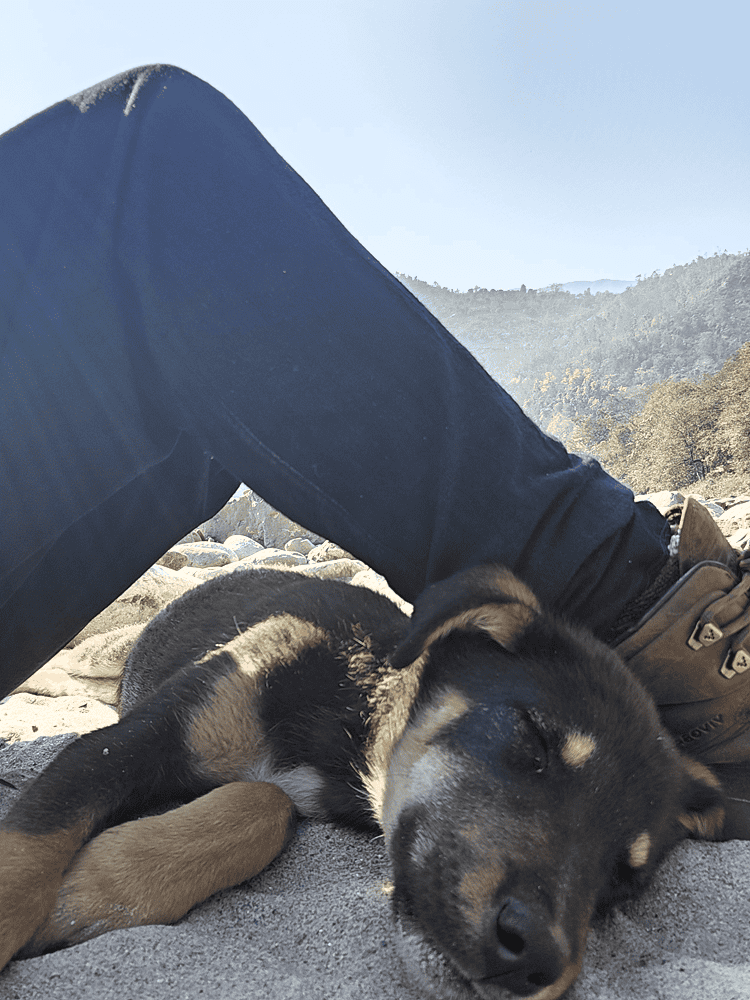
As we stepped across the boulders and uneven stones, I noticed something else.
Not so long ago — less than a year — I struggled so much with balance. I didn’t trust my own feet. Uneven ground would have filled me with anxiety.
That morning, I was careful — placing each step with awareness — but I wasn’t afraid. I was paying attention, yes. But I wasn’t bracing.
There was steadiness and a quiet confidence. I realised: trust is slowly returning to my body.
The Teachers
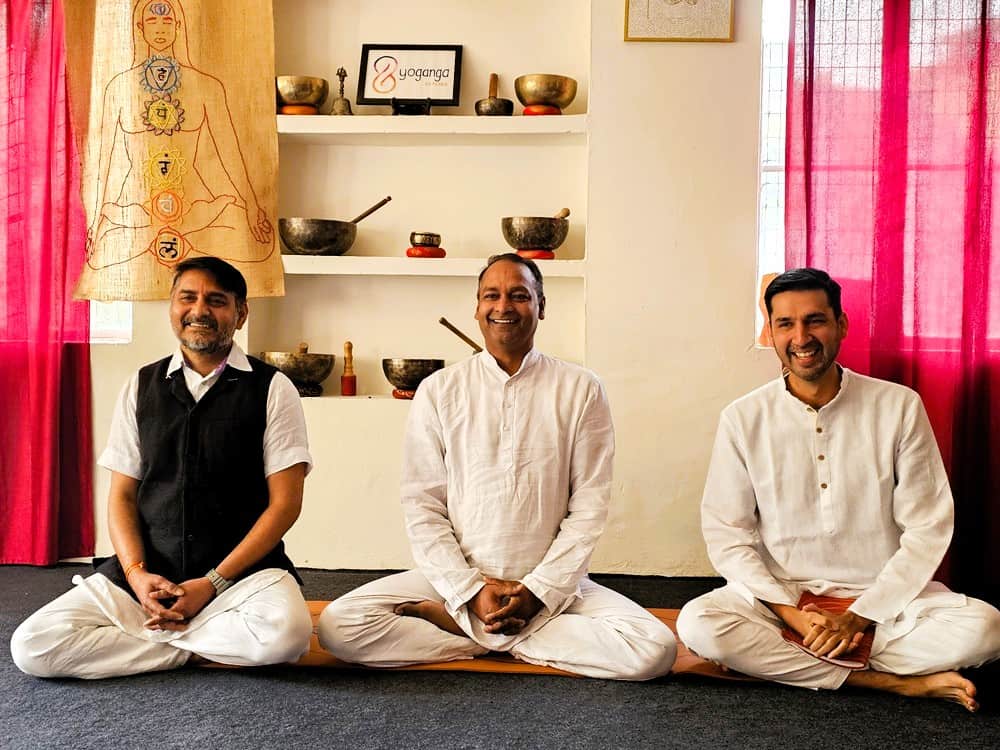
The three teachers at Yoganga Healing are truly what made this retreat such a nurturing and cohesive experience. From the moment we arrived until the final goodbye, we felt welcomed, supported, seen and gently held. There was a natural ease between them.
During the closing circle on the final day, they shared how much they too had enjoyed the retreat. They spoke about how it had felt like an organic coming together — how the teachings had flowed naturally rather than being rigidly structured. And that is exactly how it felt from the inside: fluid, responsive, alive.
Together, the three of them created something that felt balanced — mind, body and subtle energy woven together in a way that felt safe and sincere.
You can read about the teachers here.
What I gained from the retreat
What I take away most is a deep immersion in practice, presence, and embodied learning — a meaningful continuation of a journey I’ve been walking for some time.
I gained a deeper understanding of pranayama, not just as a technique but as a lived practice, and feel clearer about how to integrate it into daily life in a way that is sustainable and supportive of my nervous system.
I left feeling more grounded and quietly confident in my ability to practise and to listen to my body — which, in itself, feels like a gift.
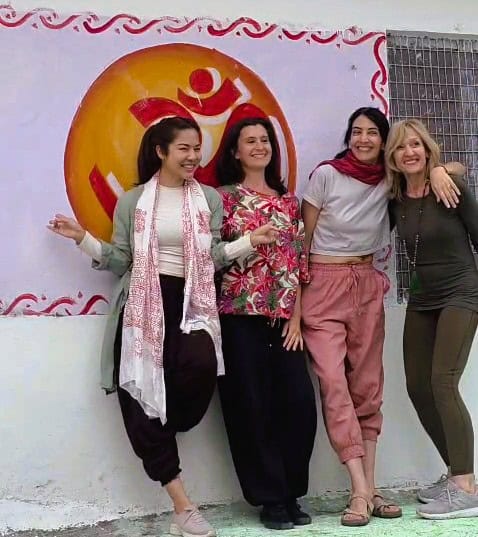
Alongside that, I formed new friendships with women from different parts of the world. Learning, practising, and reflecting together made the experience all the richer.
Would I do another retreat at Yoganga?
100% yes! 🙂
Our Group & Sense of Community
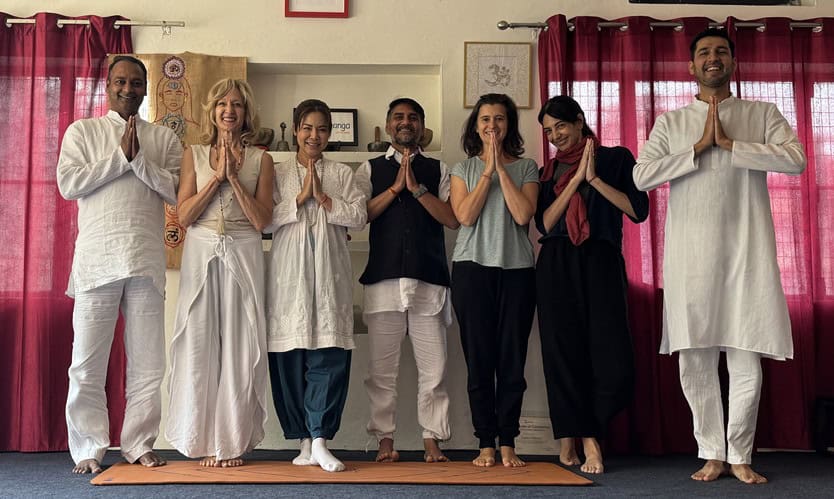
We were a small group of four women, aged between 45 and 65. Each of us arrived open and without expectations, and the connection formed naturally. There was a simple warmth between us.
Outside the retreat sessions, we shared some meals and even went together to a local kirtan festival. Just as importantly, there was space for time alone — to rest and integrate.
The sense of community actually began before we arrived, when Rohit set up a WhatsApp group for messages and photo sharing. A small but thoughtful touch that helped us feel connected from the start.
In addition, Yoganga has an ongoing What’s App Community and online courses, so connection can be maintained once you leave.
Who is this retreat suitable for?
It feels suitable for a wide range of ages and stages. The small group size makes a real difference — you’re not part of a crowd, but met as an individual. Your body, your pace, your experience are respected.
There is genuine personal attention. Adjustments are thoughtful, guidance responsive, and nothing feels forced. Whether younger and physically strong, older and moving more gently, or somewhere in between, there is space for you.
Although our group had prior yoga experience, complete beginners would be warmly welcomed. The teaching is clear and patient, with no pressure to “keep up.” You can arrive exactly as you are.
As a 52-year-old woman living with Functional Neurological Disorder (FND), I felt supported throughout.
Who is the retreat NOT suitable for?
It’s also worth noting that the space may not be suitable for those with significant mobility challenges. Yoganga is accessed via stairs, without lift access, so you do need to be comfortable walking up steps.
As with much of India, roads and pathways can be uneven and rough underfoot. While this is part of the local landscape, it’s something to consider if stability or accessibility is a concern.
It’s also worth noting that this is not a luxury retreat. The setting is simple and fairly basic — the focus is very much on practice rather than indulgence.
Where to Stay
The Yoganga Healing retreats are non-residential, and meals are not included — which actually allows for flexibility and choice.
I liked the fact that I didn’t feel confined to always eating in the same place and to have space away from the retreat and group.
There are plenty of hotels and homestays within walking distance, depending on your budget and comfort level.
I began my stay at Yog Vashishth Hotel, which is contemporary, clean, and very comfortable. It’s a really nice option and I would happily recommend it.
However, after a few days I decided to move because although it was relatively close, it was still about a 20-minute walk to the retreat space — and I wasn’t especially keen on doing that walk in the dark each evening.
So I opted for a simple homestay, which was much closer by for the remaining seven days. It was very basic, but fine for a short time — and the short walking distance gave me extra ease and peace of mind.
That flexibility is one of the advantages of the retreat not being residential — you can choose what feels right for you.
Eating
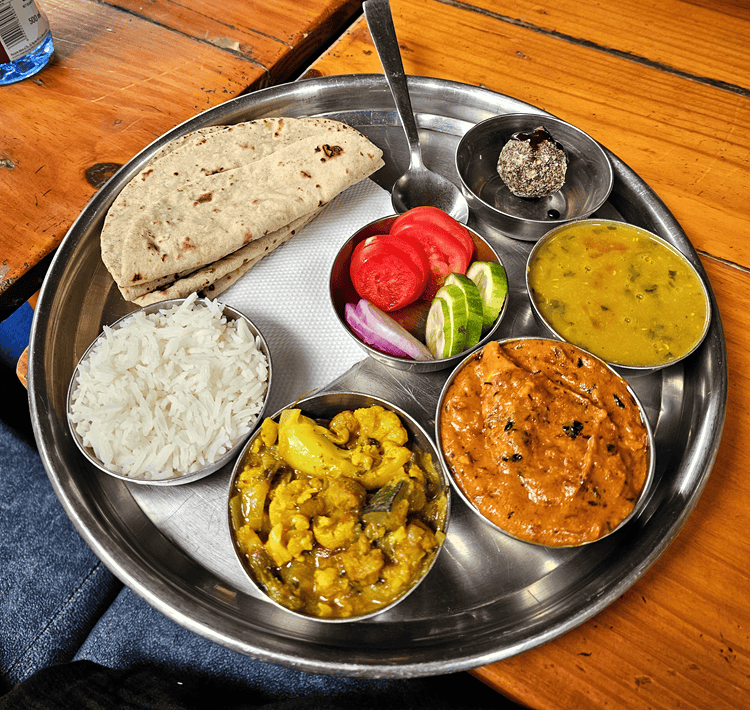
The area has an abundance of cafés serving affordable vegetarian and vegan food, so finding nourishing meals is easy. Rishikesh is a vegetarian city!
Where Is Yoganga?
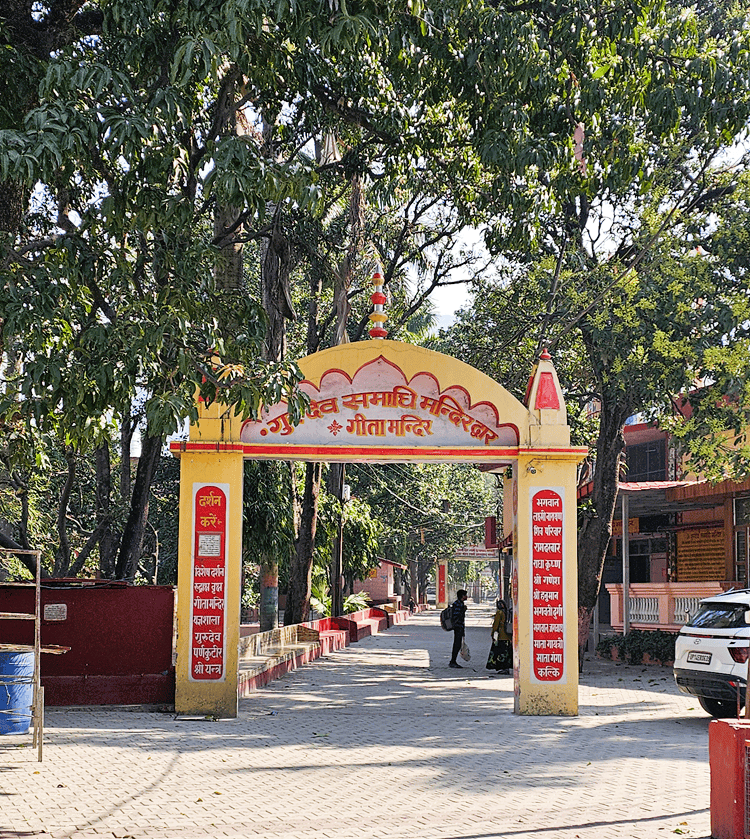
Yoganga Healing is based within Geeta Bahwan Ashram, in the heart of Rishikesh.
It’s centrally located, within walking distance of the river, cafés, and many guesthouses — yet still tucked into the quieter, more traditional ashram setting that Rishikesh is known for.
What is Rishikesh like?
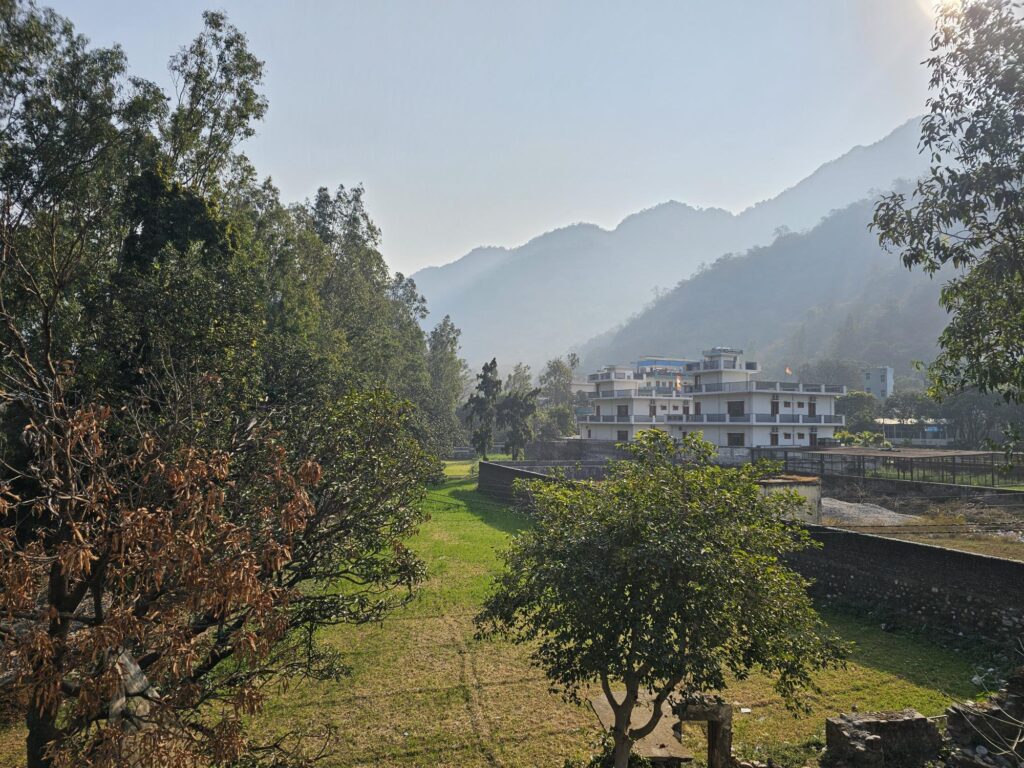
Rishikesh has a distinct atmosphere — a blend of ashrams, Ayurvedic clinics, yoga schools, and small cafés tucked along the lanes.
The Ganges flows steadily through the town, and much of daily life revolves around practice, ritual, and spiritual seeking.
It’s easy to wander between classes, drop into another yoga space, sit by the river, or pause for chai in one of the many relaxed cafés.
There’s a simplicity to it — devotional, slightly chaotic at times, but undeniably alive.
For a solo midlife woman, it is a great location. There are many women here travelling alone of all ages.
Is This the Right Pranayama Retreat in Rishikesh for You?
If you are looking for a traditional pranayama retreat in Rishikesh that prioritises depth over performance, I would definitely recommend Yoganga.
1-1 therapies also on offer
Alongside the group practices, each teacher also offers one-to-one therapeutic sessions — including somatic breathwork, sound healing, and Reiki.
I chose to have a couple of individual sessions with Sunil. We explored where emotional pain was being held in the body — sensing its location, texture, and intensity. Through guided breath, gentle hands-on work, and attentive awareness, I could feel the tightness begin to ease.
The session concluded with a singing bowl placed directly on my body, its vibration moving through the areas we had been working with. The resonance created a subtle internal release. I left feeling lighter and clearer.
Learn more about Yoganga Healing:
Website: www.yogangahealing.com
Follow on:
Discover Orchids to Olives Wellbeing Places
collated for midlife women
Blogs in the making
Coming soon: more wellbeing places for midlife women & chronic illness solo travels
Sign up for all updates & blog posts
Related Blog Posts: Wellbeing Spaces
A Budget Ayurvedic Retreat in Sri Lanka for the Ultimate Detox: Nature Lanka
A Gentle Greek Wellness Retreat for Midlife Women: Healing in Ikaria, Greece
The Best Exotic Marigold Retreat – A Midlife Women’s Wellness Retreat in Rajasthan, India
What happens in a Moroccan Hammam?
Dar Al Hossoun’s earthy Hammam & Spa in Taroudant
Dar Al Hossoun’s earthy Hammam & Spa in Taroudant
Happy Stones: unique cottages in Sri Lanka’s sublime hill country
Pure Nature Cabana in Tangalle: inspired by nature & crafted with love
Popular Blog Posts: Chronic Illness Travel
Chronic Illness Travel Insurance: Comparing Staysure & Avanti for Pre-Existing Conditions
Travelling Solo with Functional Neurological Disorder (FND): From Fear to Freedom
Solo Travel with Chronic Illness: How to Reclaim Yourself at Midlife
The Unexpected Benefits of Travelling Solo with a Chronic Health Condition
A Destination Checklist for Women Traveling Solo with a Chronic Health Condition
On being a Digital Nomad with MS: An inspiring interview with Monica Lynne
Sri Lanka for Women with Chronic Illness: A Calm, Restorative Destination for Midlife Solo Travellers
My descent into darkness and healing
I’d Love to Hear From You!
Have you travelled solo with a chronic condition? Or are you thinking about it? Do you have a favourite wellbeing place? Feel free to share your thoughts or experiences in the comment section below.
If this post resonated with you, please consider sharing it with someone who might need this kind of encouragement.
Let’s keep in touch.
Join me for all the latest blog posts, reviews and updates.
Orchids to Olives
Journeys of self-discovery, wisdom, healing and friendship